LUCÍA ROMERO
8. ACIDS, BASES AND SALTS
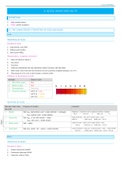
DEFINITIONS
1. Acids: proton donors
2. Bases: proton acceptors
8.1 THE CHARACTERISTIC PROPERTIES OF ACIDS AND BASES
Acids
PROPERTIES OF ACIDS
Examples of acids:
1. Hydrochloric acid (HCl)
2. Sulfuric acid (H2SO4)
3. Nitric acid (HNO3)
Characteristics / properties of all acids:
1. Have pH values of below 7
2. Sour taste
3. Corrosive
4. Acids are substances that can neutralize a base, forming a salt and water
5. When acids react, they will lose electrons to form positively charged hydrogen ions (H+)
6. The presence of H+ ions is what makes a solution acidic
Indicators (in the presence of acid):
Indicator Colour in acid
1. Blue litmus paper Red
2. Methyl orange Red
3. Phenolpthalein Colourless
4. Universal indicator (pH 1, 2) = red
(pH 3, 4) = orange
(pH 5,6) = yellow
REACTIONS OF ACIDS
Reactant (other than Products of reaction Examples
the acid)
1. Metals Salt (e.g., hydrochloric acid = metal chloride) + hydrogen Magnesium + hydrochloric acid → magnesium chloride + hydrogen
Mg (s) + 2HCl (aq) → MgCl2 (aq) + H2
(e.g., sulfuric acid = metal sulfate)
2. Hydroxides Salt (e.g., x 2 as with metals) + water Sodium hydroxide + nitric acid → sodium nitrate + water
NaOH (s) + HNO3 (aq)→ NaNO3 (aq) + H2O (l)
(e.g., nitric acid = metal nitrate)
Bases
3. Metal oxides Salt + water Copper (II) oxide + sulfuric acid → copper sulfate + water
CuO (s) + H2SO4 (aq) → CuSO4 (aq) + H2O (l)
4. Carbonates Salt (e.g., metal…x2) + water + carbon dioxide Calcium carbonate + nitric acid → calcium nitrate + water + carbon dioxide
CaCO3 (s) + 2HNO3 (aq)→ Ca(NO3)2 (aq) + H2O (l) + CO2 (g)
Bases
PROPERTIES OF BASES
Examples of bases:
1. Sodium hydroxide (NaOH)
2. Potassium hydroxide (KOH)
3. Ammonia solution (NH3)
, LUCÍA ROMERO
Characteristics / properties of all bases:
1. Have pH values of above 7
2. Bases are substances which can neutralise an acid, forming a salt and water
3. Usually oxides / hydroxides of metals
4. When alkalis react, they gain electrons to form negative hydroxide ions (OH–)
5. The presence of the OH– ions is what makes the aqueous solution an alkali
What is an alkali?
A base which is water-soluble
REACTIONS OF BASES
Reactant (other than the base) Products of Examples
reaction
1. Acids = neutralization Salt (such as Calcium oxide + hydrochloric acid → calcium chloride+ water
metal chloride, CaO (s) + 2Cl (aq) → CaCl2 (aq) + H2O (l)
etc.) + water
2. Ammonium compounds = Salt + water + Calcium hydroxide + ammonium chloride → calcium chloride + water + ammonia
displacement ammonia Ca(OH)2 (s) + 2NH4Cl (aq) → CaCl2 + 2H2O + 2NH3
• Ammonium salts undergo decomposition when warmed with an alkali
• Even though ammonia is itself a weak base, it is very volatile and can easily be displaced from the salt by another alkali
The importance of pH and soil acidity
➢ Most plants favour a pH value of between 5 and 8
How do changes in pH affect plants?
→ Reduced growth and crop yield
How may soils become acid?
1. Acid rain
2. Overuse of fertilisers (which contain ammonium salts)
3. Excessive breakdown of organic matter by bacteria
How can this excess acidity be neutralized?
Using crushed or powdered: limestone (calcium carbonate) / lime (calcium oxide) / slaked lime (calcium hydroxide)
→ The addition process must be carefully monitored though, as if added in excess, further damage could be done if the pH goes too high
Why are these compounds chosen?
1. They are cheap
2. Only slightly soluble in water – so rain wont wash them away
Proton transfer
Acids
• Acids are proton donors as they ionize in solution producing
protons, H+ ions
→ These H+ ions make the aqueous solution acidic
Bases (Alkalis)
• Bases (alkalis) are proton acceptors as they ionize in solution
producing OH– ions which can accept protons
→ These OH– ions make the aqueous solution alkaline
8. ACIDS, BASES AND SALTS
DEFINITIONS
1. Acids: proton donors
2. Bases: proton acceptors
8.1 THE CHARACTERISTIC PROPERTIES OF ACIDS AND BASES
Acids
PROPERTIES OF ACIDS
Examples of acids:
1. Hydrochloric acid (HCl)
2. Sulfuric acid (H2SO4)
3. Nitric acid (HNO3)
Characteristics / properties of all acids:
1. Have pH values of below 7
2. Sour taste
3. Corrosive
4. Acids are substances that can neutralize a base, forming a salt and water
5. When acids react, they will lose electrons to form positively charged hydrogen ions (H+)
6. The presence of H+ ions is what makes a solution acidic
Indicators (in the presence of acid):
Indicator Colour in acid
1. Blue litmus paper Red
2. Methyl orange Red
3. Phenolpthalein Colourless
4. Universal indicator (pH 1, 2) = red
(pH 3, 4) = orange
(pH 5,6) = yellow
REACTIONS OF ACIDS
Reactant (other than Products of reaction Examples
the acid)
1. Metals Salt (e.g., hydrochloric acid = metal chloride) + hydrogen Magnesium + hydrochloric acid → magnesium chloride + hydrogen
Mg (s) + 2HCl (aq) → MgCl2 (aq) + H2
(e.g., sulfuric acid = metal sulfate)
2. Hydroxides Salt (e.g., x 2 as with metals) + water Sodium hydroxide + nitric acid → sodium nitrate + water
NaOH (s) + HNO3 (aq)→ NaNO3 (aq) + H2O (l)
(e.g., nitric acid = metal nitrate)
Bases
3. Metal oxides Salt + water Copper (II) oxide + sulfuric acid → copper sulfate + water
CuO (s) + H2SO4 (aq) → CuSO4 (aq) + H2O (l)
4. Carbonates Salt (e.g., metal…x2) + water + carbon dioxide Calcium carbonate + nitric acid → calcium nitrate + water + carbon dioxide
CaCO3 (s) + 2HNO3 (aq)→ Ca(NO3)2 (aq) + H2O (l) + CO2 (g)
Bases
PROPERTIES OF BASES
Examples of bases:
1. Sodium hydroxide (NaOH)
2. Potassium hydroxide (KOH)
3. Ammonia solution (NH3)
, LUCÍA ROMERO
Characteristics / properties of all bases:
1. Have pH values of above 7
2. Bases are substances which can neutralise an acid, forming a salt and water
3. Usually oxides / hydroxides of metals
4. When alkalis react, they gain electrons to form negative hydroxide ions (OH–)
5. The presence of the OH– ions is what makes the aqueous solution an alkali
What is an alkali?
A base which is water-soluble
REACTIONS OF BASES
Reactant (other than the base) Products of Examples
reaction
1. Acids = neutralization Salt (such as Calcium oxide + hydrochloric acid → calcium chloride+ water
metal chloride, CaO (s) + 2Cl (aq) → CaCl2 (aq) + H2O (l)
etc.) + water
2. Ammonium compounds = Salt + water + Calcium hydroxide + ammonium chloride → calcium chloride + water + ammonia
displacement ammonia Ca(OH)2 (s) + 2NH4Cl (aq) → CaCl2 + 2H2O + 2NH3
• Ammonium salts undergo decomposition when warmed with an alkali
• Even though ammonia is itself a weak base, it is very volatile and can easily be displaced from the salt by another alkali
The importance of pH and soil acidity
➢ Most plants favour a pH value of between 5 and 8
How do changes in pH affect plants?
→ Reduced growth and crop yield
How may soils become acid?
1. Acid rain
2. Overuse of fertilisers (which contain ammonium salts)
3. Excessive breakdown of organic matter by bacteria
How can this excess acidity be neutralized?
Using crushed or powdered: limestone (calcium carbonate) / lime (calcium oxide) / slaked lime (calcium hydroxide)
→ The addition process must be carefully monitored though, as if added in excess, further damage could be done if the pH goes too high
Why are these compounds chosen?
1. They are cheap
2. Only slightly soluble in water – so rain wont wash them away
Proton transfer
Acids
• Acids are proton donors as they ionize in solution producing
protons, H+ ions
→ These H+ ions make the aqueous solution acidic
Bases (Alkalis)
• Bases (alkalis) are proton acceptors as they ionize in solution
producing OH– ions which can accept protons
→ These OH– ions make the aqueous solution alkaline