Functional Structure
By Raheel Malik
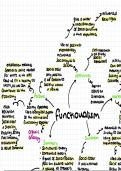
, The functional structure
organizes employees into
departments based on the
function they perform for
the company--accounting,
production or quality
control, for example. The
divisional structure
organizes employees based
on the product or service
being produced, customer
or market focus and the
geographic market being
served. The matrix structure
is a hybrid of the functional
and divisional structure,
effectively creating
independent business units
for each product or service
, Functional Strategy Advantages And
Disadvantages
• In a functional structure, all of the decision-making occurs at the
top levels of management. This ensures that upper management
has complete control over the organization.
• It also provides a clear career trajectory for employees, from
junior-level positions, up to the top decision-making positions.
• A functional structure provides stability and efficiency, especially
in large and complex organizations, because everyone uses
similar processes.
• This also allows large businesses to take advantage of economies
of scale. However, this type of structure can also lead to poor
communication between departments, situations where
departments do not work together and inter-departmental
conflict. Customers may also become frustrated by lack of
cooperation if they have to work with more than one department.
By Raheel Malik
, The functional structure
organizes employees into
departments based on the
function they perform for
the company--accounting,
production or quality
control, for example. The
divisional structure
organizes employees based
on the product or service
being produced, customer
or market focus and the
geographic market being
served. The matrix structure
is a hybrid of the functional
and divisional structure,
effectively creating
independent business units
for each product or service
, Functional Strategy Advantages And
Disadvantages
• In a functional structure, all of the decision-making occurs at the
top levels of management. This ensures that upper management
has complete control over the organization.
• It also provides a clear career trajectory for employees, from
junior-level positions, up to the top decision-making positions.
• A functional structure provides stability and efficiency, especially
in large and complex organizations, because everyone uses
similar processes.
• This also allows large businesses to take advantage of economies
of scale. However, this type of structure can also lead to poor
communication between departments, situations where
departments do not work together and inter-departmental
conflict. Customers may also become frustrated by lack of
cooperation if they have to work with more than one department.