

Unit 8 Assignment 2 Shannon Clarke
Scenario
As part of your college course, you have been offered the chance to participate in a work placement programme.
This has been organised in partnership with a national charity who work to engage science students in aspirational
work experience opportunities. The placement will allow you to observe specialist laboratory work, practice a
variety of scientific techniques and gain first-hand experience of medical research into the role and function of the
lymphatic system and disorders and associated treatments.
On completion of your one-month placement; your assigned learning mentor requires you to produce a portfolio
of evidence demonstrating the knowledge and understanding you have gained throughout the programme. Your
portfolio will contain a detailed ‘patient case study’ related to the normal functioning of the lymphatic system,
impairment of normal function due to lymphatic diseases and the treatments used to correct the effects of
lymphatic diseases.
Task Produce a portfolio of information.
Part A:
A diagram of the anatomy of the lymphatic system which you have labelled (hand drawn or an unlabeled image
taken from a book or website – ENSURE THAT IT IS REFERENCED).
A description (in your own words) of how each of the structures included in, or associated with, the lymphatic
system work in the healthy state. (As a minimum you must include the following primary and secondary lymphoid
organs; lymph vessels, lymph nodes (axillary and supratrochlear, abdominal, inguinal, and popliteal), valves,
thymus, tonsils, lacteals, and spleen.)
A description (in your own words) of the formation of lymph and its role in body defense mechanisms.
You will also briefly describe a named disorder and its effect on the normal function of the lymphatic system,
including the symptoms present in the human body and give an overview of the corrective treatment(s) associated
with the disorder.
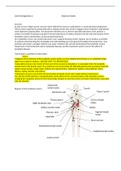
Submental
Diagram of the lymphatic system- lymph nodes Tonsils
Subclavian vein Peyer’s patch
Thymus gland Cervical lymph
Right lymphatic duct nodes
Axillary Lymph nodes Spleen
Thoracic duct Inguinal lymph
nodes
Appendix
Bone marrow
Mediastinal lymph nodes
Popliteal lymph nodes
Cisterna chyli
, The lymphatic system
The lymphatic system is an organ system that is part of the circulatory system and the immune system.
The lymphatic system has the role of protecting your body when you are sick or start to get sick,
maintaining the fluid levels in your body, absorbing the nutrients in your food and getting rid of the
unwanted digested food. This system includes the spleen, thymus, lymph nodes, and lymphatic vessels.
Anatomy of the lymphatic system
The lymphatic system consists of vessels and nodes that have the role of collecting and filtering excess
tissue fluid called lymph, which is then returned to the venous circulation which then drains the area
and lets blood flow to or from a tissue.
Lymph Organs
Lymph organs make up most of the lymphatic system. There are a lot of lymph organs which are better
known as lymph tissue, which are located all around your body as there around over 600. Lymph tissues
have the role of filtering blood and manufacturing lymphocytes. Different lymph tissues have different
roles in the lymphatic system. The spleen, which is located in the upper left side of your abdomen (next
to your stomach and behind your left ribs), has the function of filtering blood in your body as well as
removing old blood cells. The thymus, which is located between the lungs and behind the sternum, have
the function developing and maturing of T lymphocyte cells. Red bone marrow, located in flat bones
such as the sternum and pelvic, has a similar function to the thymus as it has the function of maturing
immature lymphocytes. The tonsils are also part of the lymphatic system. The tonsils are located in the
back of your throat. The function of the tonsils is to stop germs entering the body through the mouth or
the nose. The tonsils also contain a lot of white blood cells, which are responsible for killing germs.
Lymph Nodes
Lymph nodes are a part of the lymphatic system, they have a kidney shaped structure and are found all
around the body, you can have around 400-450 lymph nodes in the adult body with most of them being
located in the abdominal area. The function of lymph nodes is to filter out harmful substances/ foreign
substances and lymph nodes also have immune cells which helps them to fight off infections and germs
that are carried through the lymph fluid. Every lymph node contains T lymphocytes and B lymphocytes.
T lymphocytes and B lymphocytes are the major cellular components of the adaptive immune response.
T lymphocytes help B lymphocytes by making antibodies to kill any harmful cells. Lymph fluid enters the
node through a place in your body called the afferent lymphatic channels and leaves the node through
the efferent channels. There are many different lymph nodes in the lymphatic system, that have
different functions. The axillary lymph nodes, located in the underarm in the body, are responsible for
draining lymph fluid from the breast, neck upper arms and underarm area. The supratrochlear lymph
nodes are located in the medial epicondyle of the humerus, and they have the function of draining fluid
from the forearm and sends vessels to the deep lymphatic channel of the arm. Abdominal lymph nodes
are found deep inside the abdomen and are lymph nodes in the lymphatic system. The abdominal lymph
nodes help your body fight disease. They do this by trapping and destroying microscopic bacteria.
Inguinal lymph nodes are located in the groin area and classify as superficial and deep. Inguinal lymph
nodes have the function of helping maintain fluid balance in the bloodstream, filters waste, and plays an
important role in immune defense. Popliteal lymph nodes are part of the lymphatic system and are
located in the lower legs and feet of the human body. Popliteal lymph nodes have the function of
draining the overlying skin, they do this by draining the fluid into the deep and superficial inguinal lymph
nodes.
Scenario
As part of your college course, you have been offered the chance to participate in a work placement programme.
This has been organised in partnership with a national charity who work to engage science students in aspirational
work experience opportunities. The placement will allow you to observe specialist laboratory work, practice a
variety of scientific techniques and gain first-hand experience of medical research into the role and function of the
lymphatic system and disorders and associated treatments.
On completion of your one-month placement; your assigned learning mentor requires you to produce a portfolio
of evidence demonstrating the knowledge and understanding you have gained throughout the programme. Your
portfolio will contain a detailed ‘patient case study’ related to the normal functioning of the lymphatic system,
impairment of normal function due to lymphatic diseases and the treatments used to correct the effects of
lymphatic diseases.
Task Produce a portfolio of information.
Part A:
A diagram of the anatomy of the lymphatic system which you have labelled (hand drawn or an unlabeled image
taken from a book or website – ENSURE THAT IT IS REFERENCED).
A description (in your own words) of how each of the structures included in, or associated with, the lymphatic
system work in the healthy state. (As a minimum you must include the following primary and secondary lymphoid
organs; lymph vessels, lymph nodes (axillary and supratrochlear, abdominal, inguinal, and popliteal), valves,
thymus, tonsils, lacteals, and spleen.)
A description (in your own words) of the formation of lymph and its role in body defense mechanisms.
You will also briefly describe a named disorder and its effect on the normal function of the lymphatic system,
including the symptoms present in the human body and give an overview of the corrective treatment(s) associated
with the disorder.
Submental
Diagram of the lymphatic system- lymph nodes Tonsils
Subclavian vein Peyer’s patch
Thymus gland Cervical lymph
Right lymphatic duct nodes
Axillary Lymph nodes Spleen
Thoracic duct Inguinal lymph
nodes
Appendix
Bone marrow
Mediastinal lymph nodes
Popliteal lymph nodes
Cisterna chyli
, The lymphatic system
The lymphatic system is an organ system that is part of the circulatory system and the immune system.
The lymphatic system has the role of protecting your body when you are sick or start to get sick,
maintaining the fluid levels in your body, absorbing the nutrients in your food and getting rid of the
unwanted digested food. This system includes the spleen, thymus, lymph nodes, and lymphatic vessels.
Anatomy of the lymphatic system
The lymphatic system consists of vessels and nodes that have the role of collecting and filtering excess
tissue fluid called lymph, which is then returned to the venous circulation which then drains the area
and lets blood flow to or from a tissue.
Lymph Organs
Lymph organs make up most of the lymphatic system. There are a lot of lymph organs which are better
known as lymph tissue, which are located all around your body as there around over 600. Lymph tissues
have the role of filtering blood and manufacturing lymphocytes. Different lymph tissues have different
roles in the lymphatic system. The spleen, which is located in the upper left side of your abdomen (next
to your stomach and behind your left ribs), has the function of filtering blood in your body as well as
removing old blood cells. The thymus, which is located between the lungs and behind the sternum, have
the function developing and maturing of T lymphocyte cells. Red bone marrow, located in flat bones
such as the sternum and pelvic, has a similar function to the thymus as it has the function of maturing
immature lymphocytes. The tonsils are also part of the lymphatic system. The tonsils are located in the
back of your throat. The function of the tonsils is to stop germs entering the body through the mouth or
the nose. The tonsils also contain a lot of white blood cells, which are responsible for killing germs.
Lymph Nodes
Lymph nodes are a part of the lymphatic system, they have a kidney shaped structure and are found all
around the body, you can have around 400-450 lymph nodes in the adult body with most of them being
located in the abdominal area. The function of lymph nodes is to filter out harmful substances/ foreign
substances and lymph nodes also have immune cells which helps them to fight off infections and germs
that are carried through the lymph fluid. Every lymph node contains T lymphocytes and B lymphocytes.
T lymphocytes and B lymphocytes are the major cellular components of the adaptive immune response.
T lymphocytes help B lymphocytes by making antibodies to kill any harmful cells. Lymph fluid enters the
node through a place in your body called the afferent lymphatic channels and leaves the node through
the efferent channels. There are many different lymph nodes in the lymphatic system, that have
different functions. The axillary lymph nodes, located in the underarm in the body, are responsible for
draining lymph fluid from the breast, neck upper arms and underarm area. The supratrochlear lymph
nodes are located in the medial epicondyle of the humerus, and they have the function of draining fluid
from the forearm and sends vessels to the deep lymphatic channel of the arm. Abdominal lymph nodes
are found deep inside the abdomen and are lymph nodes in the lymphatic system. The abdominal lymph
nodes help your body fight disease. They do this by trapping and destroying microscopic bacteria.
Inguinal lymph nodes are located in the groin area and classify as superficial and deep. Inguinal lymph
nodes have the function of helping maintain fluid balance in the bloodstream, filters waste, and plays an
important role in immune defense. Popliteal lymph nodes are part of the lymphatic system and are
located in the lower legs and feet of the human body. Popliteal lymph nodes have the function of
draining the overlying skin, they do this by draining the fluid into the deep and superficial inguinal lymph
nodes.


