

Radiation use in medical diagnosis and treatment
ULTRASOUND
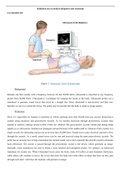
(figure 1: Ultrasound_Terese Winslow.jpg)
Background
Humans can hear sounds with a frequency between 20 and 20,000 Hertz; ultrasound is classified as any frequency
greater than 20,000 Hertz. Ultrasound is a technique for imaging the inside of the body. Ultrasound probes use a
transducer to generate sound waves that travel in a straight line. Since ultrasound is non-invasive and thus non-
harmful, we use it to control the foetus. The probe may be inserted into the body to improve image quality.
Production
Since it is impossible for humans or machines to vibrate anything more than 20,000 times per second, ultrasound is
created using electricity and piezoelectric crystals. As we transfer electricity through piezoelectric crystals, they
expand or contract, causing current to flow if they are vibrated. The piezo-electric crystals vibrate and change shape
rapidly as we add current. Soundwaves propagate outward because of the sudden shift or vibration of the crystals. In a
single second, the alternating current can cycle more than 20,000 times. Sound waves cause electrical currents to flow
through the crystals. As a result, sound waves can be sent and received using the same piezo-electric crystals. The
probe has an acoustic lens to help concentrate the emitted sound waves and a material that absorbs sound to eliminate
back reflections. The current is passed through the piezoelectric crystal to the device, which generates an image.
Internally, some transducers are used to obtain a more detailed and transparent picture. For instance, an endorectal
transducer for rectum use. When Ultrasound waves enter the body, some will reflect at each boundary (fat/tissue),
while others will continue to move; the waves that enter the body have little effect on those that leave as they pass
through each other. After that, the machine will generate an image.
, Uses
• Ultrasound is used to direct procedures like needle biopsies, which use needles to show cells from an unusual
location for laboratory research.
• Ultrasound can also be used to image the breasts and direct a breast cancer biopsy.
• Doppler Ultrasound images will aid the physician in observing and assessing blood flow blockages.
Advantages
Ultrasound is incredibly safe because it does not use radiation; it is also extremely fast, allowing the patient to learn
about the problem or pain he or she is feeling. If there is an emergency, it can also be handled by a nurse.
Disadvantages
The use of ultrasound cannot help diagnosing cancer.
Limitation
It can only generate still images and is unable to assist in the production of images of internal organs or fractures. It is
only limited to bones.
MRI (MAGNETIC RESONANCE IMAGING)
(figure 2 - Schematic-diagram-of-an-MRI-machine-illustrating-the-concentric-arrangement-of-coils.png)
Background
An MRI uses a magnetic field and radio wave energy signals to produce images of the body's organs and structures.
The non-invasive imaging of soft organs, tissues, and structures in the human body is made possible by magnetic
ULTRASOUND
(figure 1: Ultrasound_Terese Winslow.jpg)
Background
Humans can hear sounds with a frequency between 20 and 20,000 Hertz; ultrasound is classified as any frequency
greater than 20,000 Hertz. Ultrasound is a technique for imaging the inside of the body. Ultrasound probes use a
transducer to generate sound waves that travel in a straight line. Since ultrasound is non-invasive and thus non-
harmful, we use it to control the foetus. The probe may be inserted into the body to improve image quality.
Production
Since it is impossible for humans or machines to vibrate anything more than 20,000 times per second, ultrasound is
created using electricity and piezoelectric crystals. As we transfer electricity through piezoelectric crystals, they
expand or contract, causing current to flow if they are vibrated. The piezo-electric crystals vibrate and change shape
rapidly as we add current. Soundwaves propagate outward because of the sudden shift or vibration of the crystals. In a
single second, the alternating current can cycle more than 20,000 times. Sound waves cause electrical currents to flow
through the crystals. As a result, sound waves can be sent and received using the same piezo-electric crystals. The
probe has an acoustic lens to help concentrate the emitted sound waves and a material that absorbs sound to eliminate
back reflections. The current is passed through the piezoelectric crystal to the device, which generates an image.
Internally, some transducers are used to obtain a more detailed and transparent picture. For instance, an endorectal
transducer for rectum use. When Ultrasound waves enter the body, some will reflect at each boundary (fat/tissue),
while others will continue to move; the waves that enter the body have little effect on those that leave as they pass
through each other. After that, the machine will generate an image.
, Uses
• Ultrasound is used to direct procedures like needle biopsies, which use needles to show cells from an unusual
location for laboratory research.
• Ultrasound can also be used to image the breasts and direct a breast cancer biopsy.
• Doppler Ultrasound images will aid the physician in observing and assessing blood flow blockages.
Advantages
Ultrasound is incredibly safe because it does not use radiation; it is also extremely fast, allowing the patient to learn
about the problem or pain he or she is feeling. If there is an emergency, it can also be handled by a nurse.
Disadvantages
The use of ultrasound cannot help diagnosing cancer.
Limitation
It can only generate still images and is unable to assist in the production of images of internal organs or fractures. It is
only limited to bones.
MRI (MAGNETIC RESONANCE IMAGING)
(figure 2 - Schematic-diagram-of-an-MRI-machine-illustrating-the-concentric-arrangement-of-coils.png)
Background
An MRI uses a magnetic field and radio wave energy signals to produce images of the body's organs and structures.
The non-invasive imaging of soft organs, tissues, and structures in the human body is made possible by magnetic



