

Keeping up the standards
Introduction
Learning aim is to undertake calorimetry to study cooling curves. I will demonstrate my knowledge and understanding
of using a calorimeter and associated equipment to obtain data to determine, analyse and evaluate the rate of cooling
of substances.
CALIBRATION OF THERMOMETERS
The importance of thermometers reliably capturing the right temperature cannot be overstated.
Ice-Point Method to Calibrate a Thermometer
Crushed ice should be placed in a big container. Fill the container with clean tap water until it is completely full. Stir
the mixture thoroughly. In the ice water, place the thermometer stem or probe. Ascertain that the sensing area is
submerged. Wait for 30 seconds or until the reading remains constant. Set the thermometer to 32 degrees Fahrenheit
(0 degrees Celsius). Rotate the head of the thermometer until it reads 32°F (0°C) and secure the calibration nut with a
wrench or other tool.
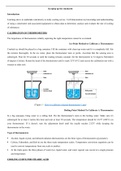
(Figure 1 - How-to-calibrate-a-digital-thermometer-1.jpg)
Boiling Point Method To Calibrate A Thermometer
In a big saucepan, bring water to a rolling boil. Put the thermometer's stem in the boiling water. Make sure it's
submerged for at least 2 inches this time and wait at least 30 seconds. The temperature should be 212°F (100°C) on
your thermometer. If it doesn't, turn the adjustment knob until the needle reaches 212°F while keeping the
thermometer in the water.
Type of thermometers
Alcohol, liquid crystal, and infrared radiation thermometers are the three types of thermometers (pyrometer).
Celsius, Fahrenheit, and Kelvin are the three main temperature scales. Temperature conversion equations can be
used to convert temperatures from one scale to another.
At the triple point, the three phases of water (ice, liquid water, and water vapour) can coexist at a single pressure
and temperature.
COOLING CURVE FOR STEARIC ACID
, Aim
The goal of the experiment is to use stearic acid to determine physical changes and temperature changes, as well as to
analyse cooling curves.
Introduction:
Stearic acid is a chemical that has been used for a long time in a variety of applications, including cosmetics and
hygiene goods like soap and shampoo. Stearic acid is a type of fatty acid that can be derived from animal fats or
plants. The cooling curve of a solid object will be studied using the calorimeter approach. A calorimeter is a glass
beaker that can be used in conjunction with a thermometer to measure the temperature of a reaction in which heat is
exchanged with the outside environment.
Equipment:
250ml beaker
0-110°C Thermometer
Retort stand, clamp and boss
Tripod
Mat
Boiling tube with solid Stearic Acid
Stop clock
Bunsen Burner
Gauze
Digital thermometer
Alcohol based thermometer
Health and safety:
Scratched or broken glassware should be cleaned up as quickly as possible because it might lead pupils to scrape
and cut themselves.
Wear lab coats to avoid staining your clothes, and goggles to protect your eyes.
Be careful handling the kettle because it contains hot water.
Notify your instructor if any equipment is destroyed.
Handle glassware with care.
Read the directions attentively before beginning the experiment.
Risk assessment
Hazard Risk Prevention Treatment
Boiling water Burns Wear lab coat. If the situation is bad, wash the
burned area with plenty of cold
water and seek medical care.
Introduction
Learning aim is to undertake calorimetry to study cooling curves. I will demonstrate my knowledge and understanding
of using a calorimeter and associated equipment to obtain data to determine, analyse and evaluate the rate of cooling
of substances.
CALIBRATION OF THERMOMETERS
The importance of thermometers reliably capturing the right temperature cannot be overstated.
Ice-Point Method to Calibrate a Thermometer
Crushed ice should be placed in a big container. Fill the container with clean tap water until it is completely full. Stir
the mixture thoroughly. In the ice water, place the thermometer stem or probe. Ascertain that the sensing area is
submerged. Wait for 30 seconds or until the reading remains constant. Set the thermometer to 32 degrees Fahrenheit
(0 degrees Celsius). Rotate the head of the thermometer until it reads 32°F (0°C) and secure the calibration nut with a
wrench or other tool.
(Figure 1 - How-to-calibrate-a-digital-thermometer-1.jpg)
Boiling Point Method To Calibrate A Thermometer
In a big saucepan, bring water to a rolling boil. Put the thermometer's stem in the boiling water. Make sure it's
submerged for at least 2 inches this time and wait at least 30 seconds. The temperature should be 212°F (100°C) on
your thermometer. If it doesn't, turn the adjustment knob until the needle reaches 212°F while keeping the
thermometer in the water.
Type of thermometers
Alcohol, liquid crystal, and infrared radiation thermometers are the three types of thermometers (pyrometer).
Celsius, Fahrenheit, and Kelvin are the three main temperature scales. Temperature conversion equations can be
used to convert temperatures from one scale to another.
At the triple point, the three phases of water (ice, liquid water, and water vapour) can coexist at a single pressure
and temperature.
COOLING CURVE FOR STEARIC ACID
, Aim
The goal of the experiment is to use stearic acid to determine physical changes and temperature changes, as well as to
analyse cooling curves.
Introduction:
Stearic acid is a chemical that has been used for a long time in a variety of applications, including cosmetics and
hygiene goods like soap and shampoo. Stearic acid is a type of fatty acid that can be derived from animal fats or
plants. The cooling curve of a solid object will be studied using the calorimeter approach. A calorimeter is a glass
beaker that can be used in conjunction with a thermometer to measure the temperature of a reaction in which heat is
exchanged with the outside environment.
Equipment:
250ml beaker
0-110°C Thermometer
Retort stand, clamp and boss
Tripod
Mat
Boiling tube with solid Stearic Acid
Stop clock
Bunsen Burner
Gauze
Digital thermometer
Alcohol based thermometer
Health and safety:
Scratched or broken glassware should be cleaned up as quickly as possible because it might lead pupils to scrape
and cut themselves.
Wear lab coats to avoid staining your clothes, and goggles to protect your eyes.
Be careful handling the kettle because it contains hot water.
Notify your instructor if any equipment is destroyed.
Handle glassware with care.
Read the directions attentively before beginning the experiment.
Risk assessment
Hazard Risk Prevention Treatment
Boiling water Burns Wear lab coat. If the situation is bad, wash the
burned area with plenty of cold
water and seek medical care.



