

Concentrate on keeping up your standards!
Introduction
In this assignment, I will study why equipment should be ensured that they are calibrated, and chemicals are safety
checked. I'll be demonstrating how the making and testing standard solutions are carried out using titration and ending
with results and evaluation and improvements.
Method of calibration of the following equipment and the results:
pH probe
Method
In a rinse solution, vigorously stir the electrode. Remove any remaining drops of solution by shaking the electrode
with a snap action. Enable the reading to stabilize after vigorously stirring the electrode in the buffer or sample. Take a
reading and write down the solution standard's established pH value. Rep as required for as many points as you want.
Results
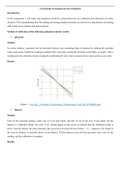
(Figure 1 - csm_06_-_Automatic_Temperature_Compensation_Tech_tip_bfc7df04fa.png)
Balance
Method
Turn on the electronic balance, make sure it's level and steady, and that it's out of the way of any drafts. Set the
balance to Calibration Mode; the word ‘CAL' should appear on the screen to indicate that the calibration mode is
active. Zero the balance (in some situations, this can need to be achieved twice before ‘—C—' appears). The weight of
the mass to calibrate is normally shown on the balance. Fill the balance's pan with the necessary mass, wait for the
reading, and the calibration is complete.
Results
, (Figure 2 - Scale-chart.jpg)
Volumetric flasks
Method
You can calibrate a volumetric flask by weighing it empty and then filled to the mark with distilled water. Each
procedure should be repeated at least twice.
Results
(Figure 3 - images)
Pipette
Method
Clean and dry the beaker as well as the pipette. Before deciding the temperature of the Erlenmeyer flask, I obtained
distilled water and let it sit on the bench for about 15 minutes. Weigh the beaker on a balance that can measure the
mass to the tenth of a milligram (i.e., 0.001 g). Fill (with the pipette filler) and discharge the pipette into the beaker as
directed and take the difference to calculate the mass of water discharged. Move 4 should be repeated until you have
the results of four (4) trials. Calculate the temperature of the water you pipetted and use the mean of the two
temperatures you reported as the water's effective temperature during the calibration.
Results
Introduction
In this assignment, I will study why equipment should be ensured that they are calibrated, and chemicals are safety
checked. I'll be demonstrating how the making and testing standard solutions are carried out using titration and ending
with results and evaluation and improvements.
Method of calibration of the following equipment and the results:
pH probe
Method
In a rinse solution, vigorously stir the electrode. Remove any remaining drops of solution by shaking the electrode
with a snap action. Enable the reading to stabilize after vigorously stirring the electrode in the buffer or sample. Take a
reading and write down the solution standard's established pH value. Rep as required for as many points as you want.
Results
(Figure 1 - csm_06_-_Automatic_Temperature_Compensation_Tech_tip_bfc7df04fa.png)
Balance
Method
Turn on the electronic balance, make sure it's level and steady, and that it's out of the way of any drafts. Set the
balance to Calibration Mode; the word ‘CAL' should appear on the screen to indicate that the calibration mode is
active. Zero the balance (in some situations, this can need to be achieved twice before ‘—C—' appears). The weight of
the mass to calibrate is normally shown on the balance. Fill the balance's pan with the necessary mass, wait for the
reading, and the calibration is complete.
Results
, (Figure 2 - Scale-chart.jpg)
Volumetric flasks
Method
You can calibrate a volumetric flask by weighing it empty and then filled to the mark with distilled water. Each
procedure should be repeated at least twice.
Results
(Figure 3 - images)
Pipette
Method
Clean and dry the beaker as well as the pipette. Before deciding the temperature of the Erlenmeyer flask, I obtained
distilled water and let it sit on the bench for about 15 minutes. Weigh the beaker on a balance that can measure the
mass to the tenth of a milligram (i.e., 0.001 g). Fill (with the pipette filler) and discharge the pipette into the beaker as
directed and take the difference to calculate the mass of water discharged. Move 4 should be repeated until you have
the results of four (4) trials. Calculate the temperature of the water you pipetted and use the mean of the two
temperatures you reported as the water's effective temperature during the calibration.
Results


