Nutrition and health
Introduction
In this research, I will look at what makes a well-balanced diet, as well as how to maintain a healthy digestive
system, to ensure that the human body gets all the nutrients it needs to work properly. Also, assess any disease
process that affects the digestive system's biological functioning, whether triggered by internal or external
mechanisms. and determine if this could result in a nutritional deficiency The anatomy and physiology of the
digestive system, the origins and uses of various essential nutrients, and the associated signs of nutrient deficiency
linked to the effects of, and remedies for, dietary-related diseases are all covered.
Digestive system
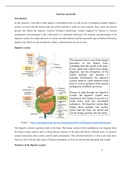
(Figure 1 - https://biologydictionary.net/wp-content/uploads/2017/02/Digestive-system-diagram.jpg)
The digestive system's operation starts in the brain. The hunger centers of the hypothalamus are triggered when
the body's energy reserves such as blood glucose, protein, or fat stores fall below a defined point. To preserve
energy homeostasis, these centers control satiety and appetite. This tells the brain that it is time to get some food.
However, this is not the only source of hunger stimulation, as food can also provide enjoyment and warmth.
Structure of the digestive system
1
,Location and structural features of the following parts of the digestive system and associated organs:
Primary organs: mouth, pharynx, esophagus, stomach, small intestines (duodenum, jejunum, ileum), large
intestine (colon), rectum and anal canal.
Accessory organs: salivary glands, liver, gall bladder, pancreas.
The digestive system could be divided into 3 groups:
1. Head and neck.
2. Upper gastrointestinal tract.
3. Lower gastrointestinal tract.
The head and neck consist of the mouth and pharynx.
Mouth
(Figur
e 2 - https://thumbor.kenhub.com/wfSysoaHYgvM27RjpPnkkbjE2hc=/fit-in/800x1600/filters:watermark(/
images/logo_url.png,-10,-10,0):background_color(FFFFFF):format(jpeg)/images/library/10681/Oral_Cavity.png)
The mouth, also known as the buccal cavity, is where the digestive tract begins. The oral vestibule - the space
between the inner cheeks and the teeth - and the oral cavity proper - the space behind the teeth - make up the oral
cavity. The teeth and tongue are also housed in the buccal cavity. The lips and teeth limit it in the front, and the
palatopharyngeal arches limit it in the back. The buccal cavity opens into the oropharynx from the back. The hard
palate forms the roof in the anterior two-thirds and the soft palate in the posterior third, and the tongue is located
on the floor of the oral cavity. The teeth are divided into incisors, which are used for cutting, canines, which are
used for tearing, premolars, and molars, which are used for grinding. Grinding is aided by complementary
1
, surfaces on the molars and premolars. Intrinsic and extrinsic muscles make up the tongue. It is also full of taste
buds that help with gustatory sensation.
Pharynx
(Figur
e 3 - https://www.netterimages.com/images/vpv/000/000/000/521-0550x0475.jpg)
The oropharynx is located behind the oral cavity. This is the portion of the pharynx that interacts with the
nasopharynx superiorly and the laryngopharynx inferiorly. The superior and middle pharyngeal constrictor
muscles form the oropharyngeal walls. The palatopharyngeal folds form a demarcation between the oral cavity
proper and the oropharynx on the anterior side. In the anteroinferior part of the oropharynx, the base of the tongue
also acts as a landmark. The mucosa of the walls also includes lymphatic tissue connected with the mucosa.
During deglutition, the muscles of Passavant's ridge and the supporting structures of the soft palate will
distinguish it from the nasopharynx.
The pharynx, or throat, is a funnel-shaped tube that connects the mouth to the back end. The pharynx oversees
transporting substantial amounts of chewed food from the mouth to the esophagus. The pharynx is also a vital part
of the respiratory system since air from the nasal cavity travels through it on its way to the larynx and then the
lungs. The pharynx includes a flap of tissue known as the epiglottis that acts as a switch to route food to the
esophagus and air to the larynx since it serves two purposes.
The Upper gastrointestinal tract consists of esophagus, stomach.
1
Introduction
In this research, I will look at what makes a well-balanced diet, as well as how to maintain a healthy digestive
system, to ensure that the human body gets all the nutrients it needs to work properly. Also, assess any disease
process that affects the digestive system's biological functioning, whether triggered by internal or external
mechanisms. and determine if this could result in a nutritional deficiency The anatomy and physiology of the
digestive system, the origins and uses of various essential nutrients, and the associated signs of nutrient deficiency
linked to the effects of, and remedies for, dietary-related diseases are all covered.
Digestive system
(Figure 1 - https://biologydictionary.net/wp-content/uploads/2017/02/Digestive-system-diagram.jpg)
The digestive system's operation starts in the brain. The hunger centers of the hypothalamus are triggered when
the body's energy reserves such as blood glucose, protein, or fat stores fall below a defined point. To preserve
energy homeostasis, these centers control satiety and appetite. This tells the brain that it is time to get some food.
However, this is not the only source of hunger stimulation, as food can also provide enjoyment and warmth.
Structure of the digestive system
1
,Location and structural features of the following parts of the digestive system and associated organs:
Primary organs: mouth, pharynx, esophagus, stomach, small intestines (duodenum, jejunum, ileum), large
intestine (colon), rectum and anal canal.
Accessory organs: salivary glands, liver, gall bladder, pancreas.
The digestive system could be divided into 3 groups:
1. Head and neck.
2. Upper gastrointestinal tract.
3. Lower gastrointestinal tract.
The head and neck consist of the mouth and pharynx.
Mouth
(Figur
e 2 - https://thumbor.kenhub.com/wfSysoaHYgvM27RjpPnkkbjE2hc=/fit-in/800x1600/filters:watermark(/
images/logo_url.png,-10,-10,0):background_color(FFFFFF):format(jpeg)/images/library/10681/Oral_Cavity.png)
The mouth, also known as the buccal cavity, is where the digestive tract begins. The oral vestibule - the space
between the inner cheeks and the teeth - and the oral cavity proper - the space behind the teeth - make up the oral
cavity. The teeth and tongue are also housed in the buccal cavity. The lips and teeth limit it in the front, and the
palatopharyngeal arches limit it in the back. The buccal cavity opens into the oropharynx from the back. The hard
palate forms the roof in the anterior two-thirds and the soft palate in the posterior third, and the tongue is located
on the floor of the oral cavity. The teeth are divided into incisors, which are used for cutting, canines, which are
used for tearing, premolars, and molars, which are used for grinding. Grinding is aided by complementary
1
, surfaces on the molars and premolars. Intrinsic and extrinsic muscles make up the tongue. It is also full of taste
buds that help with gustatory sensation.
Pharynx
(Figur
e 3 - https://www.netterimages.com/images/vpv/000/000/000/521-0550x0475.jpg)
The oropharynx is located behind the oral cavity. This is the portion of the pharynx that interacts with the
nasopharynx superiorly and the laryngopharynx inferiorly. The superior and middle pharyngeal constrictor
muscles form the oropharyngeal walls. The palatopharyngeal folds form a demarcation between the oral cavity
proper and the oropharynx on the anterior side. In the anteroinferior part of the oropharynx, the base of the tongue
also acts as a landmark. The mucosa of the walls also includes lymphatic tissue connected with the mucosa.
During deglutition, the muscles of Passavant's ridge and the supporting structures of the soft palate will
distinguish it from the nasopharynx.
The pharynx, or throat, is a funnel-shaped tube that connects the mouth to the back end. The pharynx oversees
transporting substantial amounts of chewed food from the mouth to the esophagus. The pharynx is also a vital part
of the respiratory system since air from the nasal cavity travels through it on its way to the larynx and then the
lungs. The pharynx includes a flap of tissue known as the epiglottis that acts as a switch to route food to the
esophagus and air to the larynx since it serves two purposes.
The Upper gastrointestinal tract consists of esophagus, stomach.
1