Pharmacology, Exercise and Disease
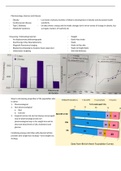
- Obesity - Low levels of physical activity is linked to development of obesity and decreased insulin
- Cardiovascular disease sensitivity
- Type 2 Diabetes - UK data shows: energy and fat intake changes don't mirror trends of change in obesity, but
- Metabolic Syndrome surrogate markers of inactivity do
Measuring / Estimating body fat: - Weight
- Air displacement plethysmography - Body Mass Index
- Dual Energy X-Ray Absorptiometry - Waist
- Magnetic Resonance Imaging - Waist to Hip ratio
- Bioelectrical Impedance Analysis (least expensive) - Waist to Height Ratio
- Underwater weighing - Skin fold thickness
Ways to decreasing proportion of the population who
is obese:
1. Pharmacological
2. Non-pharmacological
a. Diet
b. Exercise
3. Surgical (carries risk and not always encouraged)
Goal of pharmacological and non-
pharmacological ways is for weight loss and to
decrease blood levels of LDL cholesterol and
glucose
Combining energy restriction with physical activity
provides best weight loss strategy = best weight loss
strategy
, Diet: Diet programmes and fad diets:
- To lose weight at a safe and sustainable rate = 0.5 - 1kg a week and - Avoid fad diets that recommend unsafe practices, lik
reduce their energy intake by 600 calories fasting or cutting out an entire food group. These
- For most men, this will mean consuming no more than 1900 calories a diets don’t work, can make you sick, and aren’t
day, and for most women, no more than 1400 calories a day. sustainable in the long run.
A healthy diet should consist of: A responsible diet programme should:
- Plenty of fruit and vegetables - Educate you about issues like portion size, making
- Plenty of potatoes, bread, rice, pasta and other starchy foods behavioural changes and healthy eating
(wholegrain preferably) - Not be overly restrictive in terms of the type of foods
- Some milk and dairy products you can eat
- Some meat, fish, eggs, beans and other non-dairy sources of protein - Be based on achieving gradual, sustainable weight
- Just small amount of food and drinks that are high in fat and sugar loss rather than short-term rapid weight loss, which i
- Avoid high levels of salt, as it can raise blood pressure unlikely to last.
Medication - the only drug that has been proven to be safe and effective in the UK is Orlistat.
Orlistat works by preventing around a third of the fat from the food you eat being absorbed. The undigested fat isn’t
absorbed into your body and is passed out with your poo, which will help avoid gaining weight, but not necessarily cause
you to lose weight. Common side effects of Orlistat include:
- Fatty or oily poop
- Needing the toilet urgently and more frequently
- Flatulence (wind)
- Stomach pain
- Obesity - Low levels of physical activity is linked to development of obesity and decreased insulin
- Cardiovascular disease sensitivity
- Type 2 Diabetes - UK data shows: energy and fat intake changes don't mirror trends of change in obesity, but
- Metabolic Syndrome surrogate markers of inactivity do
Measuring / Estimating body fat: - Weight
- Air displacement plethysmography - Body Mass Index
- Dual Energy X-Ray Absorptiometry - Waist
- Magnetic Resonance Imaging - Waist to Hip ratio
- Bioelectrical Impedance Analysis (least expensive) - Waist to Height Ratio
- Underwater weighing - Skin fold thickness
Ways to decreasing proportion of the population who
is obese:
1. Pharmacological
2. Non-pharmacological
a. Diet
b. Exercise
3. Surgical (carries risk and not always encouraged)
Goal of pharmacological and non-
pharmacological ways is for weight loss and to
decrease blood levels of LDL cholesterol and
glucose
Combining energy restriction with physical activity
provides best weight loss strategy = best weight loss
strategy
, Diet: Diet programmes and fad diets:
- To lose weight at a safe and sustainable rate = 0.5 - 1kg a week and - Avoid fad diets that recommend unsafe practices, lik
reduce their energy intake by 600 calories fasting or cutting out an entire food group. These
- For most men, this will mean consuming no more than 1900 calories a diets don’t work, can make you sick, and aren’t
day, and for most women, no more than 1400 calories a day. sustainable in the long run.
A healthy diet should consist of: A responsible diet programme should:
- Plenty of fruit and vegetables - Educate you about issues like portion size, making
- Plenty of potatoes, bread, rice, pasta and other starchy foods behavioural changes and healthy eating
(wholegrain preferably) - Not be overly restrictive in terms of the type of foods
- Some milk and dairy products you can eat
- Some meat, fish, eggs, beans and other non-dairy sources of protein - Be based on achieving gradual, sustainable weight
- Just small amount of food and drinks that are high in fat and sugar loss rather than short-term rapid weight loss, which i
- Avoid high levels of salt, as it can raise blood pressure unlikely to last.
Medication - the only drug that has been proven to be safe and effective in the UK is Orlistat.
Orlistat works by preventing around a third of the fat from the food you eat being absorbed. The undigested fat isn’t
absorbed into your body and is passed out with your poo, which will help avoid gaining weight, but not necessarily cause
you to lose weight. Common side effects of Orlistat include:
- Fatty or oily poop
- Needing the toilet urgently and more frequently
- Flatulence (wind)
- Stomach pain