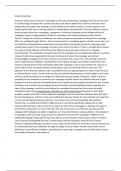
Control of fluid volume
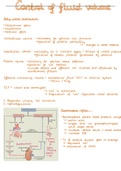
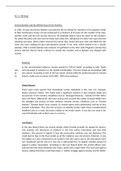
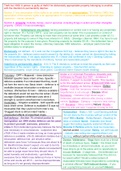
Body water distribution
Intracellular space
Interstitium
vascular space
Intracellular volume necessary for optimal functioncell
regulation of plasma osmolality
changes in water balance
Interstitial volume necessary as nutrient supply 1 removal waste products
a
osmotic
of
regulation of pressure generated by proteins
Plasma volume necessary for optimal tissue perfusion
regulation of Nat balance
multiple sensors and effectors are involved and influenced by
neuro humoral factors
Effective circulating volume extracellular fluid ECF in arterial system
700mL 170kg
ECF water and osmolytes
Nat is dominant
Regulation of Nat regulates water balance
1 Regulate urinary Nat excretion
2 Osmoregulation
Baroreceptor reflex
Baroreceptors detect blood pressure change
aortic arch
trigger SNS via glossopharangeal
and vagus nerve
increase venous return t blood volume
increase PVR
43 of cardiac output goes to kidneys
regulates Nat
activation of RAAS
, Consequences of ECF changes
Too much increase in blood pressure
increase in rate
of excretion 0 Nat pressure natriuresis
increase in rate
of excretion of water pressure diuresis
Too Little decrease in blood pressure
decrease rate of water and Nat excretion
Sensing ECF changes
ECF Nat is the principle contributor to ECF volume
regulation
ECF volume sensors central vascular sensors
JG A
carotid sinus
aortic arch
pulmonary vasculature low pressure
CNS sensor
Liver sensor
Atrial naturetic peptide promotes excretion of Nat
AVP stimulates reabsorption of water
Tostado
Response to drop in ECF
1 Kidneys RAAS
2 CNS PNS adrenaline released from adrenal glands to THR t vascular
tone and A contractility
ADH AVP
3 Heart ANP
kidney
Filters 180L per day
Filtration and secretion removal e g PAH unusual
Filtration and partial reabsorption small amount excreted
Filtration and complete reabsorption none in urine e.g glucose 1 bicarbonat
Body water distribution
Intracellular space
Interstitium
vascular space
Intracellular volume necessary for optimal functioncell
regulation of plasma osmolality
changes in water balance
Interstitial volume necessary as nutrient supply 1 removal waste products
a
osmotic
of
regulation of pressure generated by proteins
Plasma volume necessary for optimal tissue perfusion
regulation of Nat balance
multiple sensors and effectors are involved and influenced by
neuro humoral factors
Effective circulating volume extracellular fluid ECF in arterial system
700mL 170kg
ECF water and osmolytes
Nat is dominant
Regulation of Nat regulates water balance
1 Regulate urinary Nat excretion
2 Osmoregulation
Baroreceptor reflex
Baroreceptors detect blood pressure change
aortic arch
trigger SNS via glossopharangeal
and vagus nerve
increase venous return t blood volume
increase PVR
43 of cardiac output goes to kidneys
regulates Nat
activation of RAAS
, Consequences of ECF changes
Too much increase in blood pressure
increase in rate
of excretion 0 Nat pressure natriuresis
increase in rate
of excretion of water pressure diuresis
Too Little decrease in blood pressure
decrease rate of water and Nat excretion
Sensing ECF changes
ECF Nat is the principle contributor to ECF volume
regulation
ECF volume sensors central vascular sensors
JG A
carotid sinus
aortic arch
pulmonary vasculature low pressure
CNS sensor
Liver sensor
Atrial naturetic peptide promotes excretion of Nat
AVP stimulates reabsorption of water
Tostado
Response to drop in ECF
1 Kidneys RAAS
2 CNS PNS adrenaline released from adrenal glands to THR t vascular
tone and A contractility
ADH AVP
3 Heart ANP
kidney
Filters 180L per day
Filtration and secretion removal e g PAH unusual
Filtration and partial reabsorption small amount excreted
Filtration and complete reabsorption none in urine e.g glucose 1 bicarbonat