Poverty in a christmas carol
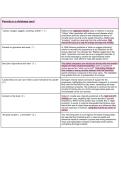
“ yellow, meagre, raggish, scowling, wolfish “ ( 1 ) Reflects the neglected, derelict state of children in poverty.
“Yellow” often resonates with sickness and disease which
symbolises both the physical and metaphorical decay of
morality when moving up the wealth hierarchy. Additionally,
“scowling” could be a warning from the unfortunate, their
resentment acts as a beg for change amongst the wealthy.
Context on ignorance and want ( 1 ) In 1846 Dickens published a “letter on ragged schooling”
where he recorded his experience at an institution for the
heavily deprived. He criticised the “frightful neglect from the
state”. Ignorance and want serve as a poignant reminder of
this moral message to protect the impoverished unlike
scrooge who “cant afford to make idle people merry”.
Structure of ignorance and want ( 1 ) The salient characters are introduced directly after the detailed
display of Fred's Christmas festivities which consisted of
joyous games like “blind man's bluff". This jarring change of
tone creates a strong contrast between how the penurious
spend Christmas compared to the lower-class. This highlights
how grateful they are in juxtaposition to scrooge.
“Looked like one coal” and “tried to warm himself at the candle” Scrooge's miserly nature and lack of support for his
(2) employees, highlighting his misanthropic viewpoint. In contrast
Bob uses his best effort to stay warm, symbolising his hope
and ambitious character. His resilience to continue his work to
provide for family acts as a foil to scrooge whose goals are
concentrated on his own avarice.
Context on the book ( 2 ) Dickens' novella was originally published at the high cost of 5
shillings per copy, targeting high income earners ( typically
employers). Where some people may consider this a “slight
provision” to some, It could be interpreted that Dickens logic
behind this was to target large employers and influence them
into fair treatment of workers, using Bob Crachit as a form of
pathos.
“As good as gold (...) and better” ( 2 ) Tiny Tim being seen in such light by his family encapsulates
the idea that the Cratchits aren't in need of wealth and
extensive capital to maintain a joyous and loving perspective.
Their anti-materialistic mindset is admirable while harshly
contrasting Scrooge's beliefs.
“ yellow, meagre, raggish, scowling, wolfish “ ( 1 ) Reflects the neglected, derelict state of children in poverty.
“Yellow” often resonates with sickness and disease which
symbolises both the physical and metaphorical decay of
morality when moving up the wealth hierarchy. Additionally,
“scowling” could be a warning from the unfortunate, their
resentment acts as a beg for change amongst the wealthy.
Context on ignorance and want ( 1 ) In 1846 Dickens published a “letter on ragged schooling”
where he recorded his experience at an institution for the
heavily deprived. He criticised the “frightful neglect from the
state”. Ignorance and want serve as a poignant reminder of
this moral message to protect the impoverished unlike
scrooge who “cant afford to make idle people merry”.
Structure of ignorance and want ( 1 ) The salient characters are introduced directly after the detailed
display of Fred's Christmas festivities which consisted of
joyous games like “blind man's bluff". This jarring change of
tone creates a strong contrast between how the penurious
spend Christmas compared to the lower-class. This highlights
how grateful they are in juxtaposition to scrooge.
“Looked like one coal” and “tried to warm himself at the candle” Scrooge's miserly nature and lack of support for his
(2) employees, highlighting his misanthropic viewpoint. In contrast
Bob uses his best effort to stay warm, symbolising his hope
and ambitious character. His resilience to continue his work to
provide for family acts as a foil to scrooge whose goals are
concentrated on his own avarice.
Context on the book ( 2 ) Dickens' novella was originally published at the high cost of 5
shillings per copy, targeting high income earners ( typically
employers). Where some people may consider this a “slight
provision” to some, It could be interpreted that Dickens logic
behind this was to target large employers and influence them
into fair treatment of workers, using Bob Crachit as a form of
pathos.
“As good as gold (...) and better” ( 2 ) Tiny Tim being seen in such light by his family encapsulates
the idea that the Cratchits aren't in need of wealth and
extensive capital to maintain a joyous and loving perspective.
Their anti-materialistic mindset is admirable while harshly
contrasting Scrooge's beliefs.