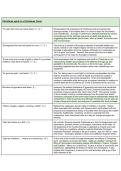
Christmas spirit in a Christmas Carol
“To open their shut-up hearts freely” ( ) Encapsulates the importance of Christmas spirit and generosity
amongst society. Fred implies that it is a time of hope for the miserly
and misanthropic ; Scrooge. Furthermore, Dickens portrays the vicious
circumstances of the Victorian era such as death and poverty by
suggesting that individuals had to have “shut up hearts” to survive such
dire environments.
“Extinguished the last frail spark for ever” ( ) This acts as a symbol of Scrooge’s rejection of socialist beliefs and
values. Dickens' use of light imagery serves as a loss of expectation for
Scrooge’s redemption from his nephew. Although he is presented as
“all in a glow” and warm - hearted, this scene could act as a slight
turning point in his hope for Scrooge's character.
“It has never put a scrap of gold or silver in my pocket, Fred emphasises that his happiness and spirit for Christmas is not
I believe it has done me good” ( ) measured by wealth accumulated as he believes it brings joy and
goodwill to the community. He acts as a foil to Scrooge, actively
promoting togetherness and socialism rather than misanthropy and
capitalism.
“As good as gold - and better” ( ) Tiny Tim being seen in such light by his family encapsulates the idea
that the Cratchits aren't in need of wealth and extensive capital to
maintain a joyous and loving perspective. Their anti-materialistic
mindset is admirable while serving as a poignant reminder to readers to
cherish festivals like Christmas as a time to embrace family and love.
Structure of ignorance and want ( 3 ) However, the salient characters of ignorance and want are introduced
directly after the detailed display of Fred's Christmas festivities which
consisted of joyous games like “blind man's bluff". This jarring change
of tone creates a strong contrast between how the penurious spend
Christmas compared to the lower-class Dickens intentionally makes this
comparison in order to portray how although Christmas may be seen as
a time of hope and charity, not everyone is awarded with such privilege.
“Yellow, meagre, raggish, scowling, wolfish” ( 3 ) Reflects the neglected, derelict state of children in poverty. “Yellow”
often resonates with sickness and disease which symbolises both the
physical and metaphorical decay of morality when moving up the wealth
hierarchy. Additionally, “scowling” could be a warning from the
unfortunate, their resentment acts as a beg for change amongst the
wealthy.
“Hard and sharp as a flint” ( 4 ) As a whole, Dickens presents Christmas as a time for forgiveness and
repentance, primarily shown by Scrooge's subversion of old traits. At
the beginning of the novella Scrooge is depicted as miserly and rude.
“Flint” being an unyielding, abrasive material illustrates Scrooge's
obstinate character, refusing to let go of avarice. Just as a flint is “ hard
and sharp, “ Scrooge's attitude is harsh and indifferent towards others.
“Light as a feather (...) merry as a school boy” ( 4 ) At the end of the novella Scrooge showcases the effects of Christmas
spirit, completely reversing old habits. “Light as a feather” conveys the
lifting of his burdens contrasting sharply with Marley's “chains” of greed
and isolation. “Merry as a school boy” evokes a sense of innocence and
playfulness, highlighting the theme of rebirth and redemption. It also
implies that Christmas is a time for fun and festivities, letting go of the
daily stresses of life.
“To open their shut-up hearts freely” ( ) Encapsulates the importance of Christmas spirit and generosity
amongst society. Fred implies that it is a time of hope for the miserly
and misanthropic ; Scrooge. Furthermore, Dickens portrays the vicious
circumstances of the Victorian era such as death and poverty by
suggesting that individuals had to have “shut up hearts” to survive such
dire environments.
“Extinguished the last frail spark for ever” ( ) This acts as a symbol of Scrooge’s rejection of socialist beliefs and
values. Dickens' use of light imagery serves as a loss of expectation for
Scrooge’s redemption from his nephew. Although he is presented as
“all in a glow” and warm - hearted, this scene could act as a slight
turning point in his hope for Scrooge's character.
“It has never put a scrap of gold or silver in my pocket, Fred emphasises that his happiness and spirit for Christmas is not
I believe it has done me good” ( ) measured by wealth accumulated as he believes it brings joy and
goodwill to the community. He acts as a foil to Scrooge, actively
promoting togetherness and socialism rather than misanthropy and
capitalism.
“As good as gold - and better” ( ) Tiny Tim being seen in such light by his family encapsulates the idea
that the Cratchits aren't in need of wealth and extensive capital to
maintain a joyous and loving perspective. Their anti-materialistic
mindset is admirable while serving as a poignant reminder to readers to
cherish festivals like Christmas as a time to embrace family and love.
Structure of ignorance and want ( 3 ) However, the salient characters of ignorance and want are introduced
directly after the detailed display of Fred's Christmas festivities which
consisted of joyous games like “blind man's bluff". This jarring change
of tone creates a strong contrast between how the penurious spend
Christmas compared to the lower-class Dickens intentionally makes this
comparison in order to portray how although Christmas may be seen as
a time of hope and charity, not everyone is awarded with such privilege.
“Yellow, meagre, raggish, scowling, wolfish” ( 3 ) Reflects the neglected, derelict state of children in poverty. “Yellow”
often resonates with sickness and disease which symbolises both the
physical and metaphorical decay of morality when moving up the wealth
hierarchy. Additionally, “scowling” could be a warning from the
unfortunate, their resentment acts as a beg for change amongst the
wealthy.
“Hard and sharp as a flint” ( 4 ) As a whole, Dickens presents Christmas as a time for forgiveness and
repentance, primarily shown by Scrooge's subversion of old traits. At
the beginning of the novella Scrooge is depicted as miserly and rude.
“Flint” being an unyielding, abrasive material illustrates Scrooge's
obstinate character, refusing to let go of avarice. Just as a flint is “ hard
and sharp, “ Scrooge's attitude is harsh and indifferent towards others.
“Light as a feather (...) merry as a school boy” ( 4 ) At the end of the novella Scrooge showcases the effects of Christmas
spirit, completely reversing old habits. “Light as a feather” conveys the
lifting of his burdens contrasting sharply with Marley's “chains” of greed
and isolation. “Merry as a school boy” evokes a sense of innocence and
playfulness, highlighting the theme of rebirth and redemption. It also
implies that Christmas is a time for fun and festivities, letting go of the
daily stresses of life.