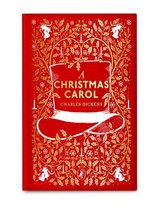
A Christmas Carol
Grade 9 Essay Plans Bundle
Every Question from 2017-2025
For AQA GCSE English Literature
A set of Grade 9 essay plans covering each of the 8
key themes in A Christmas Carol. Designed around
every AQA exam question from 2017–2025, with
adaptable arguments for future exams. Carefully
structured to minimise the number of quotes, ideas
and interpretations you need to memorise by
reusing the same quotes across multiple essays.
,Poverty / use of children
How does Dickens use children to present poverty in A Christmas Carol?
Tries to subvert ideology that poor are only in the position they’re in because of laziness appose to a
lack of opportunity in Victorian society
• uses Ignorance and Want to present the poor as neglected
o “on his brow I see that written which is Doom, unless the writing be erased.”
▪ warning society that ‘ignorance’ directly leads to ‘doom’
▪ “unless the writing be erased” hinting that there’s a chance for change,
encouraging scrooge to alter his ideology of the poor
▪ use of children to demonstrate this message evokes a more compassionate
response in the reader
▪ helps change some apathetic views surrounding the suffering poor
• uses Tiny Tim to explain to the reader that the poor aren’t unsavable
o “an empty seat, a crutch without an owner”
▪ Symbolic representation of Tiny Tim’s death appose to simply stating of its
occurrence. Creates a meaningful image in the readers mind which could
evoke sympathy and emotion in the reader -> perhaps did this to spark
change around generic lack of compassion for lower class people in the
Victorian Era.
▪ whilst evoking a sympathetic response in the reader through the symbolic
representation of tiny Tim’s loss of life, GOC-Present highlights link between
poverty and death
▪ the thing that saved him was scrooges intervention
▪ wealthy people have a responsibility to help the poor as they can make a big
difference to their lives, as demonstrated by scrooge at the end of the
novella
▪ emphasises the fact that, although the neglect faced by the poor is severe, it
isn’t irreversible and encourages reader to follow in his footsteps
• uses Ignorance and Want to present their suffering as shameful
o GOC-Present hides Ignorance and Want within his robes, which could represent the
concealment of the poor within Victorian society
o “yellow, meagre, ragged, scowling, wolfish”
▪ use of asyndetic listing shows the unfair treatment of the poor
▪ ”yellow” – suggests they have an illness
▪ “meagre” – low quality of life
▪ “ragged” – underdressed and lacking warmth
▪ “scowling, wolfish” – dehumanizes them, lack of education
▪ semantic field of horror and disgust to present them as having no value
▪ showing scrooge and the reader the unjust treatment of the poor and
perhaps how, instead of hiding them away, society should make an effort to
help the unfortunate
, Redemption
• explored in Stave One where Scrooge says
o “If they would rather die, they had better do it, [and decrease the surplus
population.]” STAVE 1
▪ Quotes Malthusian theory
▪ Presents Scrooge’s character as misanthropic with no sympathy
• “no warmth could warm” demonstrates his lack of emotion
▪ This in turn gives the reader a negative perception of Scrooge
▪ Reflects Scrooge onto the reader as many readers had similar ideology
o Could make them realise what’s bad about themselves by relating to the
protagonist.
• actively acknowledges his need for change
o “the kind hand trembled.” STAVE 4
▪ “kind hand” - viewed the ghost as something frightening at beginning of
stave but now sees it as something benevolent and gracious
▪ only ever sees ghosts hand – could represent the hidden positive intentions
of the spirit -> a hand is symbolic of helping and generosity
• the frightening description of the ghost at the beginning may
represent of scrooge’s lack of these qualities and more be a
reflection of his character not being very charitable
• important to acknowledge how scrooge now sees the hand in the
way it was truly intended to be perceived as (by continuing to view
it as a reflection of himself) shows he is truly changed as a person
▪ “trembled” – alternatively, this could be a sign of pity on scrooge, which is
an emotion his character infrequently displayed, as he is begging for
forgiveness for his past self
• middle class audience who may have agreed with scrooges
misanthropic mindset at the beginning may be taken aback by his
characters newfound desire to change -> possibly encouraging them
to reflect on their own morals and values
• values change from money to joy and happiness
o “His own heart laughed: and that was quite enough for him” STAVE 5
▪ “his own heart laughed” – hyperbolic personification shows how his joy
(laughter) is truly prominent in himself as his actual heart feels it
• could show how his kindness was always somewhere within him but
was yet to be uncovered until he laughed
• “solitary as an oyster” – oyster have precious pearl beneath their
tough exterior, much like scrooge’s gratitude and positive values
▪ “that was quite enough for him” – now values his own joy as well as others
oppose to previously only caring for money and wealth
• “the happiness he gives is quite as great as if it was worth a fortune”
in STAVE 2 whereas now just laughing is “enough for him” and
there’s no need to compare it to fortune or wealth
Grade 9 Essay Plans Bundle
Every Question from 2017-2025
For AQA GCSE English Literature
A set of Grade 9 essay plans covering each of the 8
key themes in A Christmas Carol. Designed around
every AQA exam question from 2017–2025, with
adaptable arguments for future exams. Carefully
structured to minimise the number of quotes, ideas
and interpretations you need to memorise by
reusing the same quotes across multiple essays.
,Poverty / use of children
How does Dickens use children to present poverty in A Christmas Carol?
Tries to subvert ideology that poor are only in the position they’re in because of laziness appose to a
lack of opportunity in Victorian society
• uses Ignorance and Want to present the poor as neglected
o “on his brow I see that written which is Doom, unless the writing be erased.”
▪ warning society that ‘ignorance’ directly leads to ‘doom’
▪ “unless the writing be erased” hinting that there’s a chance for change,
encouraging scrooge to alter his ideology of the poor
▪ use of children to demonstrate this message evokes a more compassionate
response in the reader
▪ helps change some apathetic views surrounding the suffering poor
• uses Tiny Tim to explain to the reader that the poor aren’t unsavable
o “an empty seat, a crutch without an owner”
▪ Symbolic representation of Tiny Tim’s death appose to simply stating of its
occurrence. Creates a meaningful image in the readers mind which could
evoke sympathy and emotion in the reader -> perhaps did this to spark
change around generic lack of compassion for lower class people in the
Victorian Era.
▪ whilst evoking a sympathetic response in the reader through the symbolic
representation of tiny Tim’s loss of life, GOC-Present highlights link between
poverty and death
▪ the thing that saved him was scrooges intervention
▪ wealthy people have a responsibility to help the poor as they can make a big
difference to their lives, as demonstrated by scrooge at the end of the
novella
▪ emphasises the fact that, although the neglect faced by the poor is severe, it
isn’t irreversible and encourages reader to follow in his footsteps
• uses Ignorance and Want to present their suffering as shameful
o GOC-Present hides Ignorance and Want within his robes, which could represent the
concealment of the poor within Victorian society
o “yellow, meagre, ragged, scowling, wolfish”
▪ use of asyndetic listing shows the unfair treatment of the poor
▪ ”yellow” – suggests they have an illness
▪ “meagre” – low quality of life
▪ “ragged” – underdressed and lacking warmth
▪ “scowling, wolfish” – dehumanizes them, lack of education
▪ semantic field of horror and disgust to present them as having no value
▪ showing scrooge and the reader the unjust treatment of the poor and
perhaps how, instead of hiding them away, society should make an effort to
help the unfortunate
, Redemption
• explored in Stave One where Scrooge says
o “If they would rather die, they had better do it, [and decrease the surplus
population.]” STAVE 1
▪ Quotes Malthusian theory
▪ Presents Scrooge’s character as misanthropic with no sympathy
• “no warmth could warm” demonstrates his lack of emotion
▪ This in turn gives the reader a negative perception of Scrooge
▪ Reflects Scrooge onto the reader as many readers had similar ideology
o Could make them realise what’s bad about themselves by relating to the
protagonist.
• actively acknowledges his need for change
o “the kind hand trembled.” STAVE 4
▪ “kind hand” - viewed the ghost as something frightening at beginning of
stave but now sees it as something benevolent and gracious
▪ only ever sees ghosts hand – could represent the hidden positive intentions
of the spirit -> a hand is symbolic of helping and generosity
• the frightening description of the ghost at the beginning may
represent of scrooge’s lack of these qualities and more be a
reflection of his character not being very charitable
• important to acknowledge how scrooge now sees the hand in the
way it was truly intended to be perceived as (by continuing to view
it as a reflection of himself) shows he is truly changed as a person
▪ “trembled” – alternatively, this could be a sign of pity on scrooge, which is
an emotion his character infrequently displayed, as he is begging for
forgiveness for his past self
• middle class audience who may have agreed with scrooges
misanthropic mindset at the beginning may be taken aback by his
characters newfound desire to change -> possibly encouraging them
to reflect on their own morals and values
• values change from money to joy and happiness
o “His own heart laughed: and that was quite enough for him” STAVE 5
▪ “his own heart laughed” – hyperbolic personification shows how his joy
(laughter) is truly prominent in himself as his actual heart feels it
• could show how his kindness was always somewhere within him but
was yet to be uncovered until he laughed
• “solitary as an oyster” – oyster have precious pearl beneath their
tough exterior, much like scrooge’s gratitude and positive values
▪ “that was quite enough for him” – now values his own joy as well as others
oppose to previously only caring for money and wealth
• “the happiness he gives is quite as great as if it was worth a fortune”
in STAVE 2 whereas now just laughing is “enough for him” and
there’s no need to compare it to fortune or wealth