Populism - “a political approach that strives to appeal to ordinary people who feel that their concerns are
disregarded by established elite groups” - Google Dict.
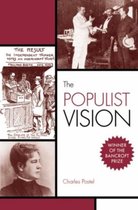
Populist Vision - “The Populist Vision argues that the Populists understood themselves as--and were in
fact--modern people, who pursued an alternate vision for modern America.” - Goodreads
“(Postel) argues that the Populists were thoroughly modern. Instead of resisting the political
economy, they sought an alternative vision of capitalism that would harness power for themselves and
better serve their interests in taking advantage of access to global markets” - http://cameronblevins.org/
cblevins/Quals/BookSummaries/Postel_ThePopulistVision.html
The Populist Vision by Charles Postel - Chapter 3 and Conclusion
References
Footnote - Charles Postel, The Populist Vision, (Oxford and New York: Oxford University Press, 2007),
Chap. 3 and Conclusion
Bibliography - Postel, Charles. The Populist Vision. Oxford and New York: Oxford University Press, 2008.
Chap. 3 and Conclusion
Notes and Quotes - Chapter 3
- “The Farmers alliance offered women extensive rights within the organization” unlike in other American
institutions - 70
- In practise, women’s equality was less advanced in the Alliance as they were still viewed as the primary
providers of childcare and were seen as their husbands’ “helpmeets” - 70
- ‘The Civil War was the common point of reference for the emergence of the self-reliant woman’ - 74
- In order for women’s rights to be advanced there had to be a justification for the advancement, based
in historical support of the movement
- Although women were in the Farmers’ Alliance, that did not guarantee their involvement in activities
- Women made up roughly a quarter of people in Farmers’ Alliance meetings
- Migration resulted in unstable farming communities
- ‘The critical lack of schools introduced Kellie to the question of women’s political rights, as the school
district debated whether women should be allowed to vote on school-related issues’ - 81
- Even as crops failed and farmers lost money, they still endeavoured to develop the strength of the
farmers alliance
- The farmers alliance group allowed for a countrywide community of women to form, providing a basis
for the advancement of women
- Women in the farmers alliance became columnists, editors etc. and ‘most reform newspapers carried
features that were intended to be of special interest to women’ - 82
- The women would correspond in letters, both relating to matters of work and more personal
correspondence
- This enabling of nationwide correspondence between women resulted in the rise of debate
surrounding the accuracy of the FA’s slogan “equal rights to all”, as women were still viewed as the
“helpmeet” of men - 83
- Although there were differences in circumstance between urban and rural women, the overall
sentiment that women should be based more in domestic work, and men should be more involved in
political and economic issues rang true in both cities and rural areas
, - FA aimed to improve living situations for rural families
- ‘The reform movement also sought to reorder family life within the home. Alliance women
discussed this problem in two ways. First, they saw the need to augment women's moral influence
so as to safeguard the virtue of daughters and to protect husbands and sons from liquor and
licentiousness. Second, many Alliance women understood that domestic progress required a new
relationship between women and men’ - 85
- Clear from this that women used the platform of the FA to start a conversation about topics of
gender and family structural reform which would have otherwise not been heard
- ‘"I hope that all the women that work on the farms will join in with the Alliance and pray to our State
officers for relief for the poor, toiling, suffering woman and children.”’ - 86
- Again demonstrates that the FA was a platform for women to express their concerns about issues
which would otherwise have most likely been ignored
- The FA focussed almost exclusively on issues affecting white Americans and ‘showed indifference to the
plight of African American women, who even more universally worked the cotton crop’ - 86
- Demonstrates how issues of race not only penetrated all aspects of American life, but also was a
significant factor within the rights movements of other sectors of society eg. Women, farmers, LGBT
- ‘Compelling women into the fields defied the progress of history. William Garvin and S. O. Daws
described it as a throwback to the "savage mode of life" practiced by "the aborigines of this
country."56 Other Alliance leaders likened women working in the cotton fields to slavery.’ - 86
- Again, this demonstrates race and culture to be a central factor in the direction of the FA
movement, as non white culture was viewed as uncivilised, meaning that society was striving to
move far away from said culture to a more civilised social order
- ‘White women working the same fields as black men stirred particular anxieties about sex and race.’ - 87
- Demonstrates further the importance of gender and race within the wider movement of rural reform
- ‘Placing a "precious Anglo-Saxon girl down on a level with a burley negro in a cotton row. Oh, my
God!”… Presumably, women’s freedom meant work segregated by race’ - 87
- Again illustrates the intricacies of issues of gender and race within wider movements
- ‘liberating women meant equipping them with an independent means of livelihood’ - 89
- The increasing number of unmarried educated women created a need for reform in the position
women were expected to hold in rural society
- ‘Economic dependence deprived women of the freedom to negotiate a compatible spouse, turning
marriage into "a synonym for lust and property owning." Lack of potential earning power, Marion Todd
explained, compelled women "to sell themselves by the day, month or for a life-time to some man for
support.”’ - 90
- Demonstrates the significance of gender within the movement to reform social and economic
structures
- In the late nineteenth century there was a rise in opportunities within rural communities, for example
with a rise in jobs in clerking and teaching
- ‘Rural reformers put a premium on careers that were considered socially proper for educated, native-
born, white women.’ - 90
- Again, importance of both gender and race in the movements for social reform
- Fewer opportunities in the south than the north - impact of geography intertwined with social issues of
gender and race
- Although the factories of urban areas would not be a viable place of work for rural people, farming
communities welcomed the building of factories in their areas which provided a new job opportunity for
both men and women
- ‘New economic possibilities for women bolstered the arguments for voting rights’ - 92
- Again demonstrates how all movements of social reform and civil rights were intertwined
disregarded by established elite groups” - Google Dict.
Populist Vision - “The Populist Vision argues that the Populists understood themselves as--and were in
fact--modern people, who pursued an alternate vision for modern America.” - Goodreads
“(Postel) argues that the Populists were thoroughly modern. Instead of resisting the political
economy, they sought an alternative vision of capitalism that would harness power for themselves and
better serve their interests in taking advantage of access to global markets” - http://cameronblevins.org/
cblevins/Quals/BookSummaries/Postel_ThePopulistVision.html
The Populist Vision by Charles Postel - Chapter 3 and Conclusion
References
Footnote - Charles Postel, The Populist Vision, (Oxford and New York: Oxford University Press, 2007),
Chap. 3 and Conclusion
Bibliography - Postel, Charles. The Populist Vision. Oxford and New York: Oxford University Press, 2008.
Chap. 3 and Conclusion
Notes and Quotes - Chapter 3
- “The Farmers alliance offered women extensive rights within the organization” unlike in other American
institutions - 70
- In practise, women’s equality was less advanced in the Alliance as they were still viewed as the primary
providers of childcare and were seen as their husbands’ “helpmeets” - 70
- ‘The Civil War was the common point of reference for the emergence of the self-reliant woman’ - 74
- In order for women’s rights to be advanced there had to be a justification for the advancement, based
in historical support of the movement
- Although women were in the Farmers’ Alliance, that did not guarantee their involvement in activities
- Women made up roughly a quarter of people in Farmers’ Alliance meetings
- Migration resulted in unstable farming communities
- ‘The critical lack of schools introduced Kellie to the question of women’s political rights, as the school
district debated whether women should be allowed to vote on school-related issues’ - 81
- Even as crops failed and farmers lost money, they still endeavoured to develop the strength of the
farmers alliance
- The farmers alliance group allowed for a countrywide community of women to form, providing a basis
for the advancement of women
- Women in the farmers alliance became columnists, editors etc. and ‘most reform newspapers carried
features that were intended to be of special interest to women’ - 82
- The women would correspond in letters, both relating to matters of work and more personal
correspondence
- This enabling of nationwide correspondence between women resulted in the rise of debate
surrounding the accuracy of the FA’s slogan “equal rights to all”, as women were still viewed as the
“helpmeet” of men - 83
- Although there were differences in circumstance between urban and rural women, the overall
sentiment that women should be based more in domestic work, and men should be more involved in
political and economic issues rang true in both cities and rural areas
, - FA aimed to improve living situations for rural families
- ‘The reform movement also sought to reorder family life within the home. Alliance women
discussed this problem in two ways. First, they saw the need to augment women's moral influence
so as to safeguard the virtue of daughters and to protect husbands and sons from liquor and
licentiousness. Second, many Alliance women understood that domestic progress required a new
relationship between women and men’ - 85
- Clear from this that women used the platform of the FA to start a conversation about topics of
gender and family structural reform which would have otherwise not been heard
- ‘"I hope that all the women that work on the farms will join in with the Alliance and pray to our State
officers for relief for the poor, toiling, suffering woman and children.”’ - 86
- Again demonstrates that the FA was a platform for women to express their concerns about issues
which would otherwise have most likely been ignored
- The FA focussed almost exclusively on issues affecting white Americans and ‘showed indifference to the
plight of African American women, who even more universally worked the cotton crop’ - 86
- Demonstrates how issues of race not only penetrated all aspects of American life, but also was a
significant factor within the rights movements of other sectors of society eg. Women, farmers, LGBT
- ‘Compelling women into the fields defied the progress of history. William Garvin and S. O. Daws
described it as a throwback to the "savage mode of life" practiced by "the aborigines of this
country."56 Other Alliance leaders likened women working in the cotton fields to slavery.’ - 86
- Again, this demonstrates race and culture to be a central factor in the direction of the FA
movement, as non white culture was viewed as uncivilised, meaning that society was striving to
move far away from said culture to a more civilised social order
- ‘White women working the same fields as black men stirred particular anxieties about sex and race.’ - 87
- Demonstrates further the importance of gender and race within the wider movement of rural reform
- ‘Placing a "precious Anglo-Saxon girl down on a level with a burley negro in a cotton row. Oh, my
God!”… Presumably, women’s freedom meant work segregated by race’ - 87
- Again illustrates the intricacies of issues of gender and race within wider movements
- ‘liberating women meant equipping them with an independent means of livelihood’ - 89
- The increasing number of unmarried educated women created a need for reform in the position
women were expected to hold in rural society
- ‘Economic dependence deprived women of the freedom to negotiate a compatible spouse, turning
marriage into "a synonym for lust and property owning." Lack of potential earning power, Marion Todd
explained, compelled women "to sell themselves by the day, month or for a life-time to some man for
support.”’ - 90
- Demonstrates the significance of gender within the movement to reform social and economic
structures
- In the late nineteenth century there was a rise in opportunities within rural communities, for example
with a rise in jobs in clerking and teaching
- ‘Rural reformers put a premium on careers that were considered socially proper for educated, native-
born, white women.’ - 90
- Again, importance of both gender and race in the movements for social reform
- Fewer opportunities in the south than the north - impact of geography intertwined with social issues of
gender and race
- Although the factories of urban areas would not be a viable place of work for rural people, farming
communities welcomed the building of factories in their areas which provided a new job opportunity for
both men and women
- ‘New economic possibilities for women bolstered the arguments for voting rights’ - 92
- Again demonstrates how all movements of social reform and civil rights were intertwined