CONSTITUTIONAL LAW
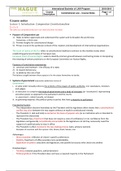
Constitutional Law Summary
ZINA AL JOUBORI
THE HAGUE UNNIVERSITY OF APPLIED SCINCES
, International Bachelor of Law 2020-2021
Course
ProgramSummary
151515 Constitutional Law Y1 – Q1
By Zina Al Joubori
T ABLE OF CONT E NT S
Introduction to Comparative Constitutionalism .........................................................................................................2
Sovereignty.................................................................................................................................................................5
Head of States/Government........................................................................................................................................5
Presidential system ................................................................................................................................................5
Parliamentary system ............................................................................................................................................6
Semi-Presidential System ......................................................................................................................................6
Comparative Constitutional Law ..........................................................................................................................6
Separation of Powers & Checks and balances ......................................................................................................... 10
Legislative power ................................................................................................................................................. 10
Executive Power .................................................................................................................................................. 12
Judicial Power ..................................................................................................................................................... 14
Federalism ............................................................................................................................................................... 17
Unitary State ............................................................................................................................................................ 18
Federation /Confederation ....................................................................................................................................... 19
Constitutional States of Emergency ......................................................................................................................... 19
1
, International Bachelor of Law 2020-2021
Course
ProgramSummary
151515 Constitutional Law Y1 – Q1
By Zina Al Joubori
INT ROD UCT ION T O COMP A RAT IVE CONST IT UT ION A LISM
Good Governance
It involves constructive co-operation between the different sectors where the result is:
Efficient use of resources
Responsible use of power
Effective and sustainable service provision
Good governance emerges when stakeholders engage and participate with each other in an inclusive, transparent,
and accountable manner to accomplish better service, free of corruption and abuse, and within the rule of law.
Constitutionalism
Why do central tenets of constitutionalism exist?
To prevent arbitrary, tyrannical, and absolute decision making. Also, to secure a balanced and legitimate
constitutional order.
Types of constitution
Narrow
Broad
Rigid
Flexible
Original
Living
Revolutionary
Evolutionary
Narrow vs Broad constitutions
There are two understandings of Constitution:
Formal/Narrow understanding
Functional/Broad/Substantive understanding
Narrow Broad
Def: constitution as a text (legal documents) Def: Constitution not only as a text but beyond a single
formal document.
Does not describe the whole collection of norms, legal and Describes the whole collection of rules which establish and
non-legal but rather a selection of them which has usually regulate or govern a country or polity, partly legal norms,
been embodied in one document or in few closely related in the sense that courts of law will recognize and apply
documents. them and partly non-legal or extra-legal norms, taking the
form of usages, understandings, customs, conventions,
interpretative context or practices which courts do not
necessarily recognize as law, but are no necessarily less
effective in regulating societal interactions than the formal
rules or laws strictly.
The objectives of the board understanding:
Attributes power to public authorities
Regulates the fundamental relations between public authorities
Regulates the fundamental relations between the public authority and the individual
2
Constitutional Law Summary
ZINA AL JOUBORI
THE HAGUE UNNIVERSITY OF APPLIED SCINCES
, International Bachelor of Law 2020-2021
Course
ProgramSummary
151515 Constitutional Law Y1 – Q1
By Zina Al Joubori
T ABLE OF CONT E NT S
Introduction to Comparative Constitutionalism .........................................................................................................2
Sovereignty.................................................................................................................................................................5
Head of States/Government........................................................................................................................................5
Presidential system ................................................................................................................................................5
Parliamentary system ............................................................................................................................................6
Semi-Presidential System ......................................................................................................................................6
Comparative Constitutional Law ..........................................................................................................................6
Separation of Powers & Checks and balances ......................................................................................................... 10
Legislative power ................................................................................................................................................. 10
Executive Power .................................................................................................................................................. 12
Judicial Power ..................................................................................................................................................... 14
Federalism ............................................................................................................................................................... 17
Unitary State ............................................................................................................................................................ 18
Federation /Confederation ....................................................................................................................................... 19
Constitutional States of Emergency ......................................................................................................................... 19
1
, International Bachelor of Law 2020-2021
Course
ProgramSummary
151515 Constitutional Law Y1 – Q1
By Zina Al Joubori
INT ROD UCT ION T O COMP A RAT IVE CONST IT UT ION A LISM
Good Governance
It involves constructive co-operation between the different sectors where the result is:
Efficient use of resources
Responsible use of power
Effective and sustainable service provision
Good governance emerges when stakeholders engage and participate with each other in an inclusive, transparent,
and accountable manner to accomplish better service, free of corruption and abuse, and within the rule of law.
Constitutionalism
Why do central tenets of constitutionalism exist?
To prevent arbitrary, tyrannical, and absolute decision making. Also, to secure a balanced and legitimate
constitutional order.
Types of constitution
Narrow
Broad
Rigid
Flexible
Original
Living
Revolutionary
Evolutionary
Narrow vs Broad constitutions
There are two understandings of Constitution:
Formal/Narrow understanding
Functional/Broad/Substantive understanding
Narrow Broad
Def: constitution as a text (legal documents) Def: Constitution not only as a text but beyond a single
formal document.
Does not describe the whole collection of norms, legal and Describes the whole collection of rules which establish and
non-legal but rather a selection of them which has usually regulate or govern a country or polity, partly legal norms,
been embodied in one document or in few closely related in the sense that courts of law will recognize and apply
documents. them and partly non-legal or extra-legal norms, taking the
form of usages, understandings, customs, conventions,
interpretative context or practices which courts do not
necessarily recognize as law, but are no necessarily less
effective in regulating societal interactions than the formal
rules or laws strictly.
The objectives of the board understanding:
Attributes power to public authorities
Regulates the fundamental relations between public authorities
Regulates the fundamental relations between the public authority and the individual
2