100% satisfaction guarantee Immediately available after payment Both online and in PDF No strings attached 4.6 TrustPilot
logo-home
Other

NR 566 MIDTERM STUDY GUIDE WEEK 1 - DOWNLOAD TO SCORE AN A+

Rating
-
Sold
-
Pages
13
Uploaded on
14-01-2026
Written in
2025/2026

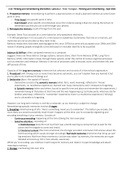
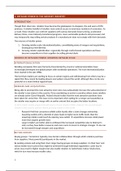
NR 566 MIDTERM STUDY GUIDE WEEK 1 Be familiar with the interactive activities throughout course modules. You could see variations of those same questions on your exams. Week 1 • Community Acquired Pneumonia (CAP) o Common pathogens: Most common causative agent: Streptococcus Pneumonia Atypical PNA: Mycoplasma Pneumonia Viruses: influenza, respiratory interstitial virus(RSV) Smokers & COPD: Haemophilis influenza(gram -) Cystic Fibrosis(CF): Pseudomonas aeruginosa(gram -) “mucus blocks air” o First line treatment for previously healthy adults: Amoxicillin, doxycycline, macrolides (DAM) ▪ What to give if first drug didn’t work: Fluoroquinolones o Treatment for M. Pneumoniae in pediatric patient (Specific/example antibiotic from drug class will be provided). Macrolides: o Azithromycin: Often preferred due to its convenient dosing and good safety profile. Dosage: 10 mg/kg on the first day (maximum 500 mg), followed by 5 mg/kg per day (maximum 250 mg) for the next 4 days. o Clarithromycin: o Dosage: 15 mg/kg/day divided into two doses (maximum 1 g/day) for 7-14 days. o Erythromycin: Less commonly used due to higher rates of gastrointestinal side effects. o Dosage: 40-50 mg/kg/day divided into four doses (maximum 2 g/day) for 7-14 days. o Treatment of CAP in pregnancy: amoxicillin, cephalosporins, erythromycin (ACE) o If someone has been treated with an antibiotic in the previous 90 days of o contracting CAP, a quinolone would be a prudent choice to prescribe. ▪ Be familiar with drug examples within the antibiotic classes. Ciprofloxacin, Levofloxicin, Ofloxacin, Moxifloxacin, Gemifloxicin, Delafloxacin- can cause tendon rupture, myasthenia gravis-cipro/levaquin ok in children • Treatment of chlamydial pneumonia in infant (options will include dose, but if you know the correct drug, the dose will come with it on the exam so no need to memorize dose): Oral Erythromycin: • Broad vs narrow spectrum agents o When to use which one: o Broad spectrum : antibiotics that are given BEFORE the results are in for certain circumstances. Also can be prescribed when the NP believes it is a certain disease. o Narrow Spectrum: When the pathogen is known Preferred • Empiric antibiotics o What are they: Broad spectrum antibiotics o When to prescribe: When you don't know which bacteria it is more likely to facilitate emergence of drug-resistant organisms and superinfections prescribe these before culture results back suspects patient has UTI E for Emergency E for enticpation Embulatory patients Pt has severe infxn, initiate treatment before test results available • Clostridium difficile associated diarrhea o How to treat: Stop taking the abx that caused it and treat with flagyl and vancomycin o Drug class known for ALL drugs in class to promote development of C. Diff. cephalosporins (especially second or third generations) • Penicillin o Cross-sensitivity reactions with which drug classes: Cephalosporins o Prescribing in pregnant patients: No 2nd or 3rd trimester due to fetal risk • Cephalosporins o Patient education needed: Can promote C diff, instruct patients to report increase in stool frequency, check renal function, complete all medications o Prescribing in pregnant patients: safe for pregnancy • Tetracyclines o Patient education needed: Photosensitivity. Advise patients to avoid prolonged exposure to sunlight, to wear protective clothing, and to apply sunscreen to exposed skin/avoid tanning beds. Instruct patients not to take this medication together with calcium supplements, milk products, iron supplements, magnesium-containing laxatives, and most antacids. Advise patients to notify the provider if diarrhea occurs, as this is an indication of potentially life-threatening superinfection of the bowel. o Prescribing in pregnant patients: No - can cause tooth staining • Macrolides: Erythromycin o Patient education needed: increased risk of Torsades due to prolonged QT, take with meals, can cause gi upset • Aminoglycosides: (narrow spectrum) gentamycin, tobramycin, amikacin(typical inpt/home infusion) monitor Cr cl in elderly renal adjustments If renal dx dose reduces or dosing interval increased. Are safe for children infants <8 days old. o Patient education needed: can cause irreversible ototoxicity, nephrotoxicity, • Sulfonamides( used in UTI) Bactrim o Patient education needed: complete full course even if symptoms resolved take with 8-10 glasses of water or noncaffeinated beverages per day to decrease risk of crystalluria, protect skin from sun, no tanning beds, monitor for hypersensitivity symptoms Prescribing in pregnant patients: not safe (especially in first trimester)- causes birth defects if taken near term, infant can develop kernicterus (brain damage caused by too much bilirubin) Avoid in older adults for For patients with creatinine clearance <30mL/min: For patients concurrently prescribed warfarin, avoid trimethoprim/sulfamethoxazole, macrolides, and ciprofloxacin do not give if creatine is under 15 • Gentamicin o Renal adjustments: caution in renal insufficient patients, can cause nephrotoxicity increase or decrease dose depending on trough levels. Week 2 • How to treat tinea capitis (don’t need specific drug or dose, focus on drug classes) Drug Class - Oral antifungal (not topical) Oral griseofulvin taken for 6-8 weeks, is considered standard therapy • Specific drug to treat aspergillosis: voriconazole • Anthelmintic drugs o Which ones carry risk for hypotension with patients on antihypertensives?: Ivermectin and Moxidectin o Which ones can cause bone marrow suppression and liver impairment? Albendazole and Mebendazole o Which is generally safe to give without obtaining baseline data? Pyrantel Pamoate o Safe for use in pregnancy: Praziquantel • HIV Medications o Risks with didanosine: lactic acidosis, severe hepatomegaly with steatosis, severe pancreatitis o Risks with saquinavir: Use caution in patients with structural heart dx, cardiac conduction disturbances, and ischemic heart disease and taking other drugs that prolong PR interval o PR Interval impacts use of which HIV drugs? atazanavir, saquinavir, lopinavir, ritonavir o How to measure success with antiretroviral therapy for HIV: reduction in plasma HIV RNA o What does an increase in CD4 T-cell indicate? increase in CD4, reduction in viral load indicating restoration of immune function o When do use foscarnet in HIV+ patients? Used to treat cytomegalovirus (CMV) and CMV-related ophthalmic retinitis in individuals with AIDs and who have been unable to tolerate gancyclovir. Also approved for use in immunocompromised patients with HSV with resistance to acyclovir. "It has no use in treating HIV because it does it does not have antiretroviral properties" (NIH) • Metronidazole o Patient teaching: do not take with alcohol to prevent a disulfiram-like reaction, advise metallic taste, recommend concurrent treatment of partner if STI • Abacavir o Adverse effects: Lactic acidosis, a severe hepatomegaly with steatosis • Monitoring needs for long-term antifungal use: Liver function - AST, ALT, alkaline phosphate, and bilirubin • Antifungals to use in immunocompromised patients: Azole medications • How to treat systemic fungal infections: Treating systemic mycoses can be difficult: these infections often resist treatment and hence may require prolonged therapy with drugs that frequently prove toxic. Aspergillosis - voriconazole candidiasis- amphotericin B or fluconazole plus or minus flucytosine Histoplasmosis- amphotericin B or itraconazole • Ketoconazole and omeprazole concurrently- o What does the patient need to know? decrease absorption of ketoconazole and reduce effectiveness • Enterobius vermicularis o What is it and who would you expect to have it? Pinworm infestation (Nematode) Most common in US pinworms in ileus and large intestine symptoms - perianal itching and sleep disturbance Once itching/on hands can spread through touching o Medication: albendazole, mebendazole, pyrantel pamoate Hand washing, all family members should be treated at same time Notes: Voriconazole can interact with many drugs. It should not be combined with drugs that are powerful P450 inducers, including phenobarbital, because these can reduce the levels of voriconazole Week 3 • Excessive cerumen in ear o Causes: during cleaning by pushing cerumen deeper into the ear o Treatment: irrigation of ear canal with warm water or saline Debrox drops may assist with cerumen disimpaction by softening the wax and making it easier to remove, but it does not prevent acute otitis externa • How to treat otomycosis: Thorough cleaning and application of 2% acetic acid solution or antifungal 3-4 times a day for 7 days • How to treat acute otitis media (general information for both infection and symptoms) treat with high dose amoxicilin o Treatment in pediatric patient (drug and dose per kg found in textbook) amoxicillin 40-45mg/kg BID • Allergic Rhinitis o Monoclonal antibody drug treatment option: Omalizumab (treats asthma and seasonal allergic rhinitis)Xolair • How to treat glaucoma in someone with COPD or asthma : Betaxolol • Latanoprost o Side effects: harmless heightened brown pigmentation of the iris and eyelid blurred vision, burning, stinging, conjunctival hyperemia or edema, and punctate keratopathy • Glucocorticoids o Therapeutic action in allergic reactions: prevents inflammatory response to allergens and reduce symptoms side effects are slowed growth in kids, nasal irritation • Antihistamines o Mechanism of action: H1 blockers bind selectively to H1-histaminic receptors, thereby blocking the actions of histamine at these sites. These drugs can relieve sneezing, rhinorrhea, and nasal itching; however, they do not reduce nasal congestion. • Cromolyn o Mechanism of action: Suppresses release of histamine and inflammatory mediators from mast cells • Sympathomimetics o Mechanism of action: nasal congestion by activating a1- adrenergic receptors on nasal blood vessels. This causes, vasoconstriction, which, in turn, causes shrinkage of swollen membranes followed by nasal drainage do not decrease sneezing, itching, or rhinorrhea. • Guaifenesin o Therapeutic action: expectorant - thins secretions and loosens mucous • Benzoyl peroxide: 1st line treatment for mild to moderate acne o Side effects: skin redness, stinging, dryness, peeling, photosensitivity. Hypersensitivity reactions in asthma patients o Patient teaching: If signs of severe local irritation occur (e.g., burning, blistering, scaling, swelling), the frequency of application should be reduced. Do not use Benzoyl peroxide with Dapsone to avoid skin discoloration. If excessive stinging occurs, wash off medication with mild soap and water then resume use the next day. • Budesonide: o Risks of use in children: risk for delayed growth • Organic sunscreen needs what ingredient to be effective?: Avobenzone • Pharmacological treatment of acne o Be familiar with different options ▪ 1st line for mild to moderate acne: Benzoyl peroxide ▪ 1st line for severe acne: Doxycycline and isotretinoin and retinoids ▪ Which treatment would be selected over another?: o Salicylic acid ▪ Patient education needed: Cleansers and mask should be rinsed off after use. Decrease number of applications for excessive skin dryness, peeling, or irritation. o Isotretinoin(Accutane) ▪ Patient education needed: protect skin from sunlight, avoid sunlamps and tanning beds pregnancy should be avoided, and two reliable birth control methods used risk for depression and suicide, avoid supplements that contain vitamin A when taking • When to prescribe an intranasal glucocorticoid: prevention and treatment of seasonal perennial rhinitis Week 4 • Which weight loss drug(s) are associated with a suicide risk in children, adolescents, and young adults? Contrave and Liraglutide • What would happen if lorcaserin is given with a CYP2D6 substrate? • Which weight loss drugs are DEA scheduled IV drugs?: Lorcaserin, diethylpropion, phentermine, Phendimetrazine • Phentermine o On-going monitoring needs with long-term use: weight loss within 3/6mos cardiac issues, htn, hyperthyroidism • At what BMI level should bariatric surgery be considered? Stage 2 bmi >35 • Liraglutide o Baseline data needed:A1C, lipids, renal function o Ongoing monitoring/assessment needs: assess for S/S of cholecystitis, pancreatitis, depression, and suicidal thoughts • Lorcaserin o Baseline data needed: assessment to r/o valvular disorders and pulmonary htn o Ongoing monitoring/assessment needs: cbc w/diff for s/s blood dyscrasia o Patient education needed: increase in hypoglycemic episodes (if diabetic) since it can cause hypoglycemia, patients should not increase insulin dose not for women who are pregnant • Naltrexone/bupropion o Baseline data needed: BG, LFT’s, Renal function, Mental status o Patient education needed: Avoid opiates o Ongoing monitoring/assessment needs: periodic BG assessment, LFT/Renal function, S/S panic attacks, anxiety, depression, suicidal ideation and mania • Phentermine o Baseline data needed: cardiac assessment o Ongoing monitoring/assessment needs: ongoing cardiac assessment • How to discontinue phentermine and/or topiramate: if the person has not lost 5% of weight loss by 6 months then d/c medication tolerance can develop n 6-12 weeks • Topiramate o Therapeutic effect: sense of satiety(fullness) • Orlistat o Patient education needed: may cause hypothyroidism in patients taking levothyroxine (two drugs should be administered 4 hours apart) take vitamins A, D, E, and K stools often fatty or oily and fecal incontinence can occur (bulk forming laxative) taken with food vitamin k deficiency can occur and compound effects of warfarin, so coagulation must be monitored taking more of the meds in a day won't help weight loss not for patients with malabsorption issues or cholestasis Prescription Writing On the exam, you will be provided an example of a prescription for you to analyze and determine what error exists on the prescription. On the midterm, you will receive 2 of the following 4 possible questions. You will need to be familiar with common doses, directions for use, indication, and calculations to figure quantity. A calculator will not be needed or acceptable to use. • Tetracycline broad spectrum used for bacterial infection Dose: 250 mg to 500 mg every 6 hours. Directions: Typically taken on an empty stomach, either 1 hour before or 2 hours after meals, with a full glass of water. • Amoxicillin • Timolol ophthalmic • Benzoyl Peroxide Cream

Show more Read less
Institution
Module


Whoops! We can’t load your doc right now. Try again or contact support.

Written for

Institution
Module

Document information

Uploaded on
January 14, 2026
Number of pages
13
Written in
2025/2026
Type
Other
Person
Unknown

Subjects

Content preview

NR566 Midterm Study
Guide


NR 566 MIDTERM STUDY GUIDE WEEK 1

Be familiar with the interactive activities throughout course modules. You could see
variations of those same questions on your exams.


Week 1


• Community Acquired Pneumonia (CAP)
o Common pathogens: Most common causative agent: Streptococcus
Pneumonia
Atypical PNA: Mycoplasma Pneumonia
Viruses: influenza, respiratory interstitial virus(RSV)
Smokers & COPD: Haemophilis influenza(gram -)
Cystic Fibrosis(CF): Pseudomonas aeruginosa(gram -) “mucus blocks
air”
o First line treatment for previously healthy adults: Amoxicillin,
doxycycline, macrolides (DAM)
▪ What to give if first drug didn’t work: Fluoroquinolones
o Treatment for M. Pneumoniae in pediatric patient (Specific/example
antibiotic
from drug class will be provided). Macrolides:
o Azithromycin: Often preferred due to its convenient dosing and
good safety profile. Dosage: 10 mg/kg on the first day (maximum
500 mg), followed by 5 mg/kg per day (maximum 250 mg) for the
next 4 days.
o Clarithromycin:
o Dosage: 15 mg/kg/day divided into two doses (maximum 1 g/day) for
7-14 days.
o Erythromycin: Less commonly used due to higher rates of
gastrointestinal side effects.
o Dosage: 40-50 mg/kg/day divided into four doses (maximum 2
g/day) for 7-14 days.
o Treatment of CAP in pregnancy: amoxicillin, cephalosporins,
erythromycin (ACE)
o If someone has been treated with an antibiotic in the previous 90 days
of
o contracting CAP, a quinolone would be a prudent choice to prescribe.
▪ Be familiar with drug examples within the antibiotic classes.
Ciprofloxacin, Levofloxicin, Ofloxacin, Moxifloxacin, Gemifloxicin,
Delafloxacin- can cause tendon rupture, myasthenia gravis-
cipro/levaquin ok in children
• Treatment of chlamydial pneumonia in infant (options will include dose, but
if you know the correct drug, the dose will come with it on the exam so no
need to memorize dose): Oral Erythromycin:
• Broad vs narrow spectrum agents
This study source was downloaded by 100000891712681 from CourseHero.com on 01-14-2026 13:51:55 GMT -06:00


https://www.coursehero.com/file/240256291/NR566-Midterm-Study-Guide-WK-4-docx/

, NR566 Midterm Study
Guide o When to use which one:
o Broad spectrum : antibiotics that are given BEFORE the results are in
for certain circumstances. Also can be prescribed when the NP
believes it is a certain disease.
o Narrow Spectrum:
When the pathogen is known Preferred
• Empiric antibiotics
o What are they: Broad spectrum antibiotics
o When to prescribe: When you don't know which bacteria it is
more likely to facilitate emergence of drug-resistant organisms and
superinfections


This study source was downloaded by 100000891712681 from CourseHero.com on 01-14-2026 13:51:55 GMT -06:00


https://www.coursehero.com/file/240256291/NR566-Midterm-Study-Guide-WK-4-docx/

Get to know the seller

Seller avatar
Reputation scores are based on the amount of documents a seller has sold for a fee and the reviews they have received for those documents. There are three levels: Bronze, Silver and Gold. The better the reputation, the more your can rely on the quality of the sellers work.
DocEdyth Teachme2-tutor
Follow You need to be logged in order to follow users or courses
Sold
26
Member since
2 year
Number of followers
12
Documents
521
Last sold
2 months ago

4.0

2 reviews

5
1
4
0
3
1
2
0
1
0

Recently viewed by you

Why students choose Stuvia

Created by fellow students, verified by reviews

Quality you can trust: written by students who passed their exams and reviewed by others who've used these revision notes.

Didn't get what you expected? Choose another document

No problem! You can straightaway pick a different document that better suits what you're after.

Pay as you like, start learning straight away

No subscription, no commitments. Pay the way you're used to via credit card and download your PDF document instantly.

Student with book image

“Bought, downloaded, and smashed it. It really can be that simple.”

Alisha Student

Frequently asked questions