Learning Objectives for Anatomy and Physiology
Lecture 17
a) Explain why matching ventilation to lung perfusion (VA/Q matching) is essential for optimal
blood oxygenation
There is some mixing of deoxygenated (right-sided) blood with oxygenated
(left sided) blood
This is a right-to-left shunt
- Systemic bronchial arteries supply bronchioles with blood
- Deoxygenated blood from these drains into pulmonary vein
(carrying oxygenated blood from alveoli)
Also in the heart, part of the coronary venous blood drains directly into left
venticle
Gravity tries to pull intrapleural membranes apart (does so more at the
Apex) this causes intrapleural pressure to be more negative at the apex
than the base
This means
, - Alveoli at the apex are more expanded at FRC and therefore less able to expand further
during inspiration than alveoli at the base
- Leads to more ventilation at the base
Garvity causes perfusion pressure to be higher at the base than at the apex
Blood vessels are going to be more expanded at base resulting in more flow at base
In diastole, pressure in vessels at apex may be less than alveolar pressure resulting in vessel collapse
for part of the cardiac cycle → more perfusion at base
Even though theres mismatch, we have
enough oxygenation at rest to keep us
healthy
During exercise have to improve the
efficiency of gaseous exchange, we have to
increase perfusion and ventilation
Efficiency of exercise would be enhanced if
we could improve Va/Q matching
Green line closer to ideal (straight line) than
it was at rest so means we have improved
the mismatch between ventilation and
perfusion during exercise
Regions that are under perfused in relation to their ventilation behave like alveolar dead space (L15)
Regions that are under ventilated in relation to their perfusion behave like physiological right-to-left
shunts
In many diseases, rather than having a region with no gas exchange (no matching) there are many
regions with a variety of ventilation ratios (VA/Q)
b) Explain why VA/Q mismatch has a disproportionate effect on blood PO2 and PCO2
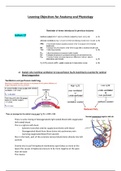
This diagram represents what would happen if
20% of the blood flowing to the lungs were going
to parts of the lungs not ventilated
Can see blood splits into two streams
Thicker one going to alveoli that are being
ventilated so turns red because absorbing oxygen
Thinner one going to parts of lung not being
ventilated e.g. because airway is blocked, does not
pick up any oxygen, stays blue
In the 20% blood, just like venous blood
So actual mixed content of them both is a
weighted average
So this 20% mismatch in blood oxygenation has decreased O2 content and increased CO2 content
, sigmoidal shape so drop in o2 content not
proportional to Po2 because of shape of
the curve, on plateu phase of the curve
small drops in content will result in larger
drops in partial pressure
Co2 dissociation curve is semi linear
Small increase in co2 content causes
relatively small increase in pco2 because
semi linear relationship
Why is the effect so different?
Because O2 dissociation curve is
sigmoidal and CO2 dissociation curve is
semi-linear
What effect does mismatch have on respiratory system if it is otherwise OK?
Low PO2 and raised PCO2 stimulated increased ventilation
Therefore ventilated areas lose more CO2 but pick up little extra O2 because blood flowing to these
areas were already saturated with O2
Key point: shunted blood still unaffected
So final blood gases have
- low arterial PO2
- normal or low arterial PCO2
Correction for mismatch is hypoxic vasoconstriction of pulmonary arteries
There are regions of the lung not being ventilated
The arteriole will be hypoxic (i.e. the thin line I think)
Smooth muscle in that arterial will detect the hypoxia
Causing constriction
Therefore limiting the blood flow through the shunt
Improves ventilation – perfusion matching and arterial oxygenation
This is fine if its just one part of the lung, the other parts can compensate for increasing perfusion??
But if you’re breathing hypoxic air e.g. at high altitude
All arterioles in lung will constrict which increases pulmonary arterial pressure
Leads to lower arterial PO2
, c) Explain the factors influencing airway resistance and its effects on air flow
Anything that causes constriction of
bronchioles will cause airway resistance
Obstructed airways will cause low Va/Q
mismatch
How does airway resistance relate to airflow?
Radius of bronchi can be affected by physical, chemical and neural factors
Lecture 17
a) Explain why matching ventilation to lung perfusion (VA/Q matching) is essential for optimal
blood oxygenation
There is some mixing of deoxygenated (right-sided) blood with oxygenated
(left sided) blood
This is a right-to-left shunt
- Systemic bronchial arteries supply bronchioles with blood
- Deoxygenated blood from these drains into pulmonary vein
(carrying oxygenated blood from alveoli)
Also in the heart, part of the coronary venous blood drains directly into left
venticle
Gravity tries to pull intrapleural membranes apart (does so more at the
Apex) this causes intrapleural pressure to be more negative at the apex
than the base
This means
, - Alveoli at the apex are more expanded at FRC and therefore less able to expand further
during inspiration than alveoli at the base
- Leads to more ventilation at the base
Garvity causes perfusion pressure to be higher at the base than at the apex
Blood vessels are going to be more expanded at base resulting in more flow at base
In diastole, pressure in vessels at apex may be less than alveolar pressure resulting in vessel collapse
for part of the cardiac cycle → more perfusion at base
Even though theres mismatch, we have
enough oxygenation at rest to keep us
healthy
During exercise have to improve the
efficiency of gaseous exchange, we have to
increase perfusion and ventilation
Efficiency of exercise would be enhanced if
we could improve Va/Q matching
Green line closer to ideal (straight line) than
it was at rest so means we have improved
the mismatch between ventilation and
perfusion during exercise
Regions that are under perfused in relation to their ventilation behave like alveolar dead space (L15)
Regions that are under ventilated in relation to their perfusion behave like physiological right-to-left
shunts
In many diseases, rather than having a region with no gas exchange (no matching) there are many
regions with a variety of ventilation ratios (VA/Q)
b) Explain why VA/Q mismatch has a disproportionate effect on blood PO2 and PCO2
This diagram represents what would happen if
20% of the blood flowing to the lungs were going
to parts of the lungs not ventilated
Can see blood splits into two streams
Thicker one going to alveoli that are being
ventilated so turns red because absorbing oxygen
Thinner one going to parts of lung not being
ventilated e.g. because airway is blocked, does not
pick up any oxygen, stays blue
In the 20% blood, just like venous blood
So actual mixed content of them both is a
weighted average
So this 20% mismatch in blood oxygenation has decreased O2 content and increased CO2 content
, sigmoidal shape so drop in o2 content not
proportional to Po2 because of shape of
the curve, on plateu phase of the curve
small drops in content will result in larger
drops in partial pressure
Co2 dissociation curve is semi linear
Small increase in co2 content causes
relatively small increase in pco2 because
semi linear relationship
Why is the effect so different?
Because O2 dissociation curve is
sigmoidal and CO2 dissociation curve is
semi-linear
What effect does mismatch have on respiratory system if it is otherwise OK?
Low PO2 and raised PCO2 stimulated increased ventilation
Therefore ventilated areas lose more CO2 but pick up little extra O2 because blood flowing to these
areas were already saturated with O2
Key point: shunted blood still unaffected
So final blood gases have
- low arterial PO2
- normal or low arterial PCO2
Correction for mismatch is hypoxic vasoconstriction of pulmonary arteries
There are regions of the lung not being ventilated
The arteriole will be hypoxic (i.e. the thin line I think)
Smooth muscle in that arterial will detect the hypoxia
Causing constriction
Therefore limiting the blood flow through the shunt
Improves ventilation – perfusion matching and arterial oxygenation
This is fine if its just one part of the lung, the other parts can compensate for increasing perfusion??
But if you’re breathing hypoxic air e.g. at high altitude
All arterioles in lung will constrict which increases pulmonary arterial pressure
Leads to lower arterial PO2
, c) Explain the factors influencing airway resistance and its effects on air flow
Anything that causes constriction of
bronchioles will cause airway resistance
Obstructed airways will cause low Va/Q
mismatch
How does airway resistance relate to airflow?
Radius of bronchi can be affected by physical, chemical and neural factors