
EPD v7 – EMERGENCY POLICE DISPATCH | PRACTICE EXAM BANK
IAED Emergency Police Dispatcher
EPD v7 Practice Exam Bank
1000 Original Questions with Detailed Rationales
Priorities • Protocol Discipline • Case Processing • Safety • Professional Practice
DISCLAIMER – This is an ORIGINAL educational practice resource based on publicly described emergency police dispatch themes. It is NOT an
official IAED exam, NOT a copy of PPDS protocol cards or proprietary test questions, and NOT affiliated with IAED or Priority Dispatch. Always
complete the official IAED-approved course and study authorized materials before the real certification exam.
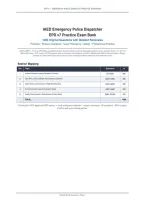
Section Mapping
Sec Topic Questions N
1 Incident Priorities, Protocol Discipline & Professio Q1-Q200 200
2 Case Entry, Chief Complaint, Key Questions & Determi Q201-Q400 200
3 Caller Safety, Communication & High-Risk Situations Q401-Q600 200
4 Common Incident Types & Information Needs Q601-Q800 200
5 Quality, Documentation, Recertification & Exam Readi Q801-Q1000 200
TOTAL 1000
Official path: IAED-approved EPD course → study authorized materials → exam (commonly ~50 questions, ~80% to pass).
Confirm with your training partner.
Original Study Resource | Page 1
, EPD v7 – EMERGENCY POLICE DISPATCH | PRACTICE EXAM BANK
Section 1: Incident Priorities, Protocol Discipline & Professional Standards
Q1: The four law-enforcement incident priorities, in order, are generally taught as:
A. Additional information first, then caller safety
B. Officer/deputy safety, caller safety, apprehending suspects, additional information
[CORRECT]
C. Only apprehending suspects
D. Media notification first
Correct Answer: B
Rationale: Officer safety and caller safety come before investigative priorities.
Q2: Officer/deputy safety is prioritized because:
A. It is the least important concern
B. Responders cannot help others if they become victims themselves [CORRECT]
C. It replaces all caller needs
D. It only applies to traffic stops
Correct Answer: B
Rationale: Responder safety enables continued public protection.
Q3: Caller safety as a priority means the telecommunicator should:
A. Ignore immediate threats to the caller
B. Identify and address immediate danger to the reporting party when protocol directs
[CORRECT]
C. Only focus on suspect description always
D. Never give any instructions
Correct Answer: B
Rationale: Protecting the caller is a core early priority when danger is present.
Original Study Resource | Page 2
, EPD v7 – EMERGENCY POLICE DISPATCH | PRACTICE EXAM BANK
Q4: Law enforcement calls are often described as dynamic because:
A. Nothing ever changes after the first sentence
B. Circumstances and response needs can change rapidly during the call [CORRECT]
C. Only medical calls change
D. Protocols never allow updates
Correct Answer: B
Rationale: Situations evolve; continuous assessment is essential.
Q5: Many police incidents are reported:
A. Only before they occur
B. After they have already happened or while still evolving [CORRECT]
C. Only by officers already on scene
D. Never by the public
Correct Answer: B
Rationale: Post-event and in-progress reports both occur frequently.
Q6: Freelance instructions are:
A. Always required by protocol
B. Instructions outside the protocol that are beyond scope or incorrect [CORRECT]
C. The same as protocol instructions
D. Only used for medical calls
Correct Answer: B
Rationale: Staying within protocol protects callers and the agency.
Q7: Protocols help process calls more effectively than general policies alone because they:
A. Are shorter to memorize only
B. Provide specific interrogation questions and caller instructions in a structured way
[CORRECT]
C. Allow unlimited free-form questioning without structure
D. Only address final disposition
Correct Answer: B
Rationale: Protocols standardize the critical questions and instructions.
Original Study Resource | Page 3
, EPD v7 – EMERGENCY POLICE DISPATCH | PRACTICE EXAM BANK
Q8: Certification typically applies to:
A. Agencies only
B. Individuals who complete training and pass the exam [CORRECT]
C. Only buildings
D. Only software vendors
Correct Answer: B
Rationale: Individuals are certified; agencies may pursue accreditation separately.
Q9: Accreditation typically applies to:
A. Only individual call-takers
B. Agencies that meet program standards [CORRECT]
C. Only vehicles
D. Only radio towers
Correct Answer: B
Rationale: Agencies are accredited; people are certified.
Q10: The primary purpose of EPD-style certification is to:
A. Replace all police officers
B. Demonstrate competency in protocol-based law-enforcement call-taking and dispatch
support [CORRECT]
C. Certify only fire dispatch
D. Eliminate all training
Correct Answer: B
Rationale: It validates protocol-based emergency police dispatch skills.
Original Study Resource | Page 4
IAED Emergency Police Dispatcher
EPD v7 Practice Exam Bank
1000 Original Questions with Detailed Rationales
Priorities • Protocol Discipline • Case Processing • Safety • Professional Practice
DISCLAIMER – This is an ORIGINAL educational practice resource based on publicly described emergency police dispatch themes. It is NOT an
official IAED exam, NOT a copy of PPDS protocol cards or proprietary test questions, and NOT affiliated with IAED or Priority Dispatch. Always
complete the official IAED-approved course and study authorized materials before the real certification exam.
Section Mapping
Sec Topic Questions N
1 Incident Priorities, Protocol Discipline & Professio Q1-Q200 200
2 Case Entry, Chief Complaint, Key Questions & Determi Q201-Q400 200
3 Caller Safety, Communication & High-Risk Situations Q401-Q600 200
4 Common Incident Types & Information Needs Q601-Q800 200
5 Quality, Documentation, Recertification & Exam Readi Q801-Q1000 200
TOTAL 1000
Official path: IAED-approved EPD course → study authorized materials → exam (commonly ~50 questions, ~80% to pass).
Confirm with your training partner.
Original Study Resource | Page 1
, EPD v7 – EMERGENCY POLICE DISPATCH | PRACTICE EXAM BANK
Section 1: Incident Priorities, Protocol Discipline & Professional Standards
Q1: The four law-enforcement incident priorities, in order, are generally taught as:
A. Additional information first, then caller safety
B. Officer/deputy safety, caller safety, apprehending suspects, additional information
[CORRECT]
C. Only apprehending suspects
D. Media notification first
Correct Answer: B
Rationale: Officer safety and caller safety come before investigative priorities.
Q2: Officer/deputy safety is prioritized because:
A. It is the least important concern
B. Responders cannot help others if they become victims themselves [CORRECT]
C. It replaces all caller needs
D. It only applies to traffic stops
Correct Answer: B
Rationale: Responder safety enables continued public protection.
Q3: Caller safety as a priority means the telecommunicator should:
A. Ignore immediate threats to the caller
B. Identify and address immediate danger to the reporting party when protocol directs
[CORRECT]
C. Only focus on suspect description always
D. Never give any instructions
Correct Answer: B
Rationale: Protecting the caller is a core early priority when danger is present.
Original Study Resource | Page 2
, EPD v7 – EMERGENCY POLICE DISPATCH | PRACTICE EXAM BANK
Q4: Law enforcement calls are often described as dynamic because:
A. Nothing ever changes after the first sentence
B. Circumstances and response needs can change rapidly during the call [CORRECT]
C. Only medical calls change
D. Protocols never allow updates
Correct Answer: B
Rationale: Situations evolve; continuous assessment is essential.
Q5: Many police incidents are reported:
A. Only before they occur
B. After they have already happened or while still evolving [CORRECT]
C. Only by officers already on scene
D. Never by the public
Correct Answer: B
Rationale: Post-event and in-progress reports both occur frequently.
Q6: Freelance instructions are:
A. Always required by protocol
B. Instructions outside the protocol that are beyond scope or incorrect [CORRECT]
C. The same as protocol instructions
D. Only used for medical calls
Correct Answer: B
Rationale: Staying within protocol protects callers and the agency.
Q7: Protocols help process calls more effectively than general policies alone because they:
A. Are shorter to memorize only
B. Provide specific interrogation questions and caller instructions in a structured way
[CORRECT]
C. Allow unlimited free-form questioning without structure
D. Only address final disposition
Correct Answer: B
Rationale: Protocols standardize the critical questions and instructions.
Original Study Resource | Page 3
, EPD v7 – EMERGENCY POLICE DISPATCH | PRACTICE EXAM BANK
Q8: Certification typically applies to:
A. Agencies only
B. Individuals who complete training and pass the exam [CORRECT]
C. Only buildings
D. Only software vendors
Correct Answer: B
Rationale: Individuals are certified; agencies may pursue accreditation separately.
Q9: Accreditation typically applies to:
A. Only individual call-takers
B. Agencies that meet program standards [CORRECT]
C. Only vehicles
D. Only radio towers
Correct Answer: B
Rationale: Agencies are accredited; people are certified.
Q10: The primary purpose of EPD-style certification is to:
A. Replace all police officers
B. Demonstrate competency in protocol-based law-enforcement call-taking and dispatch
support [CORRECT]
C. Certify only fire dispatch
D. Eliminate all training
Correct Answer: B
Rationale: It validates protocol-based emergency police dispatch skills.
Original Study Resource | Page 4


