
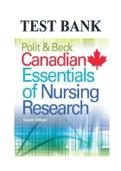
,Product Description c+
Polit & Beck Canadian Essentials of Nursing Research 4th Edition Woo Test Ba
c+ c+ c+ c+ c+ c+ c+ c+ c+ c+ c+ c+
nkISBN-10:1496301463
+
c
ISBN-13:9781975109691
Table of Contents c+ c+
Chapter 1. Introduction to Nursing Research in an Evidence-
c+ c+ c+ c+ c+ c+ c+ c+
Based Practice EnvironmentChapter 2. Fundamentals of Evidence-
c+ c+ +
c c+ c+ c+ c+
Based Nursing Practice c+ c+
Chapter 3. Key Concepts and Steps in Quantitative and Qualitative Resear
c+ c+ c+ c+ c+ c+ c+ c+ c+ c+
chChapter 4. Reading and Critiquing Research Articles
+
c c+ c+ c+ c+ c+ c+
Chapter 5. Ethics in Research c+ c+ c+ c+
Chapter 6. Research Problems, Research Questions, and Hypotheses
c+ c+ c+ c+ c+ c+ c+ c+
Chapter 7. Finding and Reviewing Research Evidence in the Literatu
c+ c+ c+ c+ c+ c+ c+ c+ c+
reChapter 8. Theoretical and Conceptual Frameworks
+
c c+ c+ c+ c+ c+
Chapter 9. Quantitative Research Design
c+ c+ c+ c+
Chapter 10. Sampling and Data Collection in Quantitative Studi
c+ c+ c+ c+ c+ c+ c+ c+
esChapter 11. Qualitative Designs and Approaches
+
c c+ c+ c+ c+ c+
Chapter 12. Sampling and Data Collection in Qualitative Studie
c+ c+ c+ c+ c+ c+ c+ c+
s Chapter 13. Mixed Methods and Other Special Types of Rese
c+ c+ c+ c+ c+ c+ c+ c+ c+ c+
archChapter 14. Statistical Analysis of Quantitative Data
+
c c+ c+ c+ c+ c+ c+
Chapter 15. Interpretation and Clinical Significance in Quantitative Resear
c+ c+ c+ c+ c+ c+ c+ c+
chChapter 16. Analysis of Qualitative Data
+
c c+ c+ c+ c+ c+
Chapter 17. Trustworthiness and Integrity in Qualitative Research
c+ c+ c+ c+ c+ c+ c+
c+ Chapter 18. Systematic Reviews: Meta-
c+ c+ c+ c+
Analysis and Metasynthesis c+ c+
, Polit & Beck Canadian Essentials of Nursing Research 4th Edition Woo TestBa
c+ c+ c+ c+ c+ c+ c+ c+ c+ c+ c+ +
c
nk
Chapter 1. Introduction to Nursing Research in an Evidence-Based Practice Environment
c+ c+ c+ c+ c+ c+ c+ c+ c+ c+
What is the highest priority for the importan
c+ c+ c+ c+ c+ c+ c+
1.
ce
of research in the nursing profession?
c+ c+ c+ c+ c+
Research findings provide evidence forc+ c+ c+ c+
A)
informing nurses' decisions and actions. c+ c+ c+ c+
Conduct research to better understand the
c+ c+ c+ c+ c+
B)
context of nursing practice. c+ c+ c+
Document the role that nurses serve in c+ c+ c+ c+ c+ c+
C)
society.
D) Establish nursing research areas of study.
c+ c+ c+ c+ c+
Which group would be best served by clinica
c+ c+ c+ c+ c+ c+ c+
2.
l
nursing research?c+
A) Nursing administrators
c+
B) Practicing nurses c+
C) Nurses' clients c+
D) Healthcare policymakers c+
In the United States, in what area does
c+ c+ c+ c+ c+ c+ c+
3.
research play an important role in nursing?
c+ c+ c+ c+ c+ c+
A) Chronic illness c+
B) Credentialing and status c+ c+
C) Nurses' personalities
c+
D) Nurses' educationc+
What is the role of a consumer of nursing
c+ c+ c+ c+ c+ c+ c+ c+
4.
research?
A) Read research reports for relevant findings.
c+ c+ c+ c+ c+
Participate in generating evidence by doing
c+ c+ c+ c+ c+
B)
research.
Participate in journal club in a practice
c+ c+ c+ c+ c+ c+
C)
setting.
Solve clinical problems and make clinical
c+ c+ c+ c+ c+
D)
decisions.
What was the concern of most nursing studie
c+ c+ c+ c+ c+ c+ c+
5.
s
in the early 1900s?
c+ c+ c+
, A) Client satisfaction
c+
B) Clinical problems c+
C) Health promotion c+
D) Nursing education c+
Which topic most closely conforms to the
c+ c+ c+ c+ c+ c+
6. priorities that have been suggested for fut
c+ c+ c+ c+ c+ c+
urenursing research?
+
c c+
A) Attitudes of nursing students toward smoking
c+ c+ c+ c+ c+
.
B) Promotion of excellence in nursing science.
c+ c+ c+ c+ c+
C) Nursing staff morale and turnover.
c+ c+ c+ c+
Number of doctorate prepared nurses in
c+ c+ c+ c+ c+
D)
various clinical specialties.
c+ c+
7. What is the process of deductive reasoning?
c+ c+ c+ c+ c+ c+
Verifying assumptions that are part of our
c+ c+ c+ c+ c+ c+
A)
heritage.
Developing specific predictions from general c+ c+ c+ c+
B)
principles.
Empirically testing observations that are madc+ c+ c+ c+ c+
C)
e
known through our senses.
c+ c+ c+
Forming generalizations from specific
c+ c+ c+
D)
observations.
What is the ontological assumption of those
c+ c+ c+ c+ c+ c+
8.
espousing a naturalistic paradigm?
c+ c+ c+
Objective reality and those natural
c+ c+ c+ c+
A)
phenomena are regular and orderly. c+ c+ c+ c+
Phenomena are not haphazard and result fro c+ c+ c+ c+ c+ c+
B)
m
prior causes.
c+
Reality is multiply constructed and multiply
c+ c+ c+ c+ c+
C)
interpreted by humans. c+ c+
Reality is not fixed, but is rather a
c+ c+ c+ c+ c+ c+ c+
D)
construction of human minds. c+ c+ c+
What is the epistemological assumption of
c+ c+ c+ c+ c+
9.
those espousing a positivist paradigm?
c+ c+ c+ c+
The researcher is objective and independent
c+ c+ c+ c+ c+
A)
of those being studied.
c+ c+ c+
Phenomena are not haphazard, but rather havc+ c+ c+ c+ c+ c+
B)
e
antecedent causes. c+
Polit & Beck Canadian Essentials of Nursing Research 4th Edition Woo Test Ba
c+ c+ c+ c+ c+ c+ c+ c+ c+ c+ c+ c+
nkISBN-10:1496301463
+
c
ISBN-13:9781975109691
Table of Contents c+ c+
Chapter 1. Introduction to Nursing Research in an Evidence-
c+ c+ c+ c+ c+ c+ c+ c+
Based Practice EnvironmentChapter 2. Fundamentals of Evidence-
c+ c+ +
c c+ c+ c+ c+
Based Nursing Practice c+ c+
Chapter 3. Key Concepts and Steps in Quantitative and Qualitative Resear
c+ c+ c+ c+ c+ c+ c+ c+ c+ c+
chChapter 4. Reading and Critiquing Research Articles
+
c c+ c+ c+ c+ c+ c+
Chapter 5. Ethics in Research c+ c+ c+ c+
Chapter 6. Research Problems, Research Questions, and Hypotheses
c+ c+ c+ c+ c+ c+ c+ c+
Chapter 7. Finding and Reviewing Research Evidence in the Literatu
c+ c+ c+ c+ c+ c+ c+ c+ c+
reChapter 8. Theoretical and Conceptual Frameworks
+
c c+ c+ c+ c+ c+
Chapter 9. Quantitative Research Design
c+ c+ c+ c+
Chapter 10. Sampling and Data Collection in Quantitative Studi
c+ c+ c+ c+ c+ c+ c+ c+
esChapter 11. Qualitative Designs and Approaches
+
c c+ c+ c+ c+ c+
Chapter 12. Sampling and Data Collection in Qualitative Studie
c+ c+ c+ c+ c+ c+ c+ c+
s Chapter 13. Mixed Methods and Other Special Types of Rese
c+ c+ c+ c+ c+ c+ c+ c+ c+ c+
archChapter 14. Statistical Analysis of Quantitative Data
+
c c+ c+ c+ c+ c+ c+
Chapter 15. Interpretation and Clinical Significance in Quantitative Resear
c+ c+ c+ c+ c+ c+ c+ c+
chChapter 16. Analysis of Qualitative Data
+
c c+ c+ c+ c+ c+
Chapter 17. Trustworthiness and Integrity in Qualitative Research
c+ c+ c+ c+ c+ c+ c+
c+ Chapter 18. Systematic Reviews: Meta-
c+ c+ c+ c+
Analysis and Metasynthesis c+ c+
, Polit & Beck Canadian Essentials of Nursing Research 4th Edition Woo TestBa
c+ c+ c+ c+ c+ c+ c+ c+ c+ c+ c+ +
c
nk
Chapter 1. Introduction to Nursing Research in an Evidence-Based Practice Environment
c+ c+ c+ c+ c+ c+ c+ c+ c+ c+
What is the highest priority for the importan
c+ c+ c+ c+ c+ c+ c+
1.
ce
of research in the nursing profession?
c+ c+ c+ c+ c+
Research findings provide evidence forc+ c+ c+ c+
A)
informing nurses' decisions and actions. c+ c+ c+ c+
Conduct research to better understand the
c+ c+ c+ c+ c+
B)
context of nursing practice. c+ c+ c+
Document the role that nurses serve in c+ c+ c+ c+ c+ c+
C)
society.
D) Establish nursing research areas of study.
c+ c+ c+ c+ c+
Which group would be best served by clinica
c+ c+ c+ c+ c+ c+ c+
2.
l
nursing research?c+
A) Nursing administrators
c+
B) Practicing nurses c+
C) Nurses' clients c+
D) Healthcare policymakers c+
In the United States, in what area does
c+ c+ c+ c+ c+ c+ c+
3.
research play an important role in nursing?
c+ c+ c+ c+ c+ c+
A) Chronic illness c+
B) Credentialing and status c+ c+
C) Nurses' personalities
c+
D) Nurses' educationc+
What is the role of a consumer of nursing
c+ c+ c+ c+ c+ c+ c+ c+
4.
research?
A) Read research reports for relevant findings.
c+ c+ c+ c+ c+
Participate in generating evidence by doing
c+ c+ c+ c+ c+
B)
research.
Participate in journal club in a practice
c+ c+ c+ c+ c+ c+
C)
setting.
Solve clinical problems and make clinical
c+ c+ c+ c+ c+
D)
decisions.
What was the concern of most nursing studie
c+ c+ c+ c+ c+ c+ c+
5.
s
in the early 1900s?
c+ c+ c+
, A) Client satisfaction
c+
B) Clinical problems c+
C) Health promotion c+
D) Nursing education c+
Which topic most closely conforms to the
c+ c+ c+ c+ c+ c+
6. priorities that have been suggested for fut
c+ c+ c+ c+ c+ c+
urenursing research?
+
c c+
A) Attitudes of nursing students toward smoking
c+ c+ c+ c+ c+
.
B) Promotion of excellence in nursing science.
c+ c+ c+ c+ c+
C) Nursing staff morale and turnover.
c+ c+ c+ c+
Number of doctorate prepared nurses in
c+ c+ c+ c+ c+
D)
various clinical specialties.
c+ c+
7. What is the process of deductive reasoning?
c+ c+ c+ c+ c+ c+
Verifying assumptions that are part of our
c+ c+ c+ c+ c+ c+
A)
heritage.
Developing specific predictions from general c+ c+ c+ c+
B)
principles.
Empirically testing observations that are madc+ c+ c+ c+ c+
C)
e
known through our senses.
c+ c+ c+
Forming generalizations from specific
c+ c+ c+
D)
observations.
What is the ontological assumption of those
c+ c+ c+ c+ c+ c+
8.
espousing a naturalistic paradigm?
c+ c+ c+
Objective reality and those natural
c+ c+ c+ c+
A)
phenomena are regular and orderly. c+ c+ c+ c+
Phenomena are not haphazard and result fro c+ c+ c+ c+ c+ c+
B)
m
prior causes.
c+
Reality is multiply constructed and multiply
c+ c+ c+ c+ c+
C)
interpreted by humans. c+ c+
Reality is not fixed, but is rather a
c+ c+ c+ c+ c+ c+ c+
D)
construction of human minds. c+ c+ c+
What is the epistemological assumption of
c+ c+ c+ c+ c+
9.
those espousing a positivist paradigm?
c+ c+ c+ c+
The researcher is objective and independent
c+ c+ c+ c+ c+
A)
of those being studied.
c+ c+ c+
Phenomena are not haphazard, but rather havc+ c+ c+ c+ c+ c+
B)
e
antecedent causes. c+


