lOMoAR cPSD| 17
00
59
1
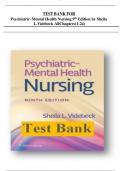
TEST BANK FOR pm pm
Psychiatric–
Mental Health Nursing 9th Edition by Sheila L. Videbeck pm pm pm pm pm pm pm pm
All Chapters (1-24) pm pm
Table Of Contents pm pm
UNIT 1 Current Theories and Practice
p m p m p m p m p m
Chapter 1. Foundations of Psychiatric–
p m p m p m p m
Mental Health Nursing Chapter 2. Neurobiologic Theories an
p m p m pm p m p m p m p m
d Psychopharmacology Chapter 3. Psychosocial Theories and
p m pm p m p m p m p m p
mTherapy
Chapter 4. Treatment Settings and Therapeutic Progra
p m p m p m p m p m p m
ms UNIT 2 Building the Nurse–
pm p m p m p m p m
Client Relationship Chapter 5. Therapeutic Relationsh
p m pm p m p m p m
ips
Chapter 6. Therapeutic Communication C
pm pm pm pm
hapter 7. Client’s Response to Illness Ch
pm pm pm pm pm pm
apter 8. Assessment pm pm
UNIT 3 Current Social and Emotional Concerns
p m p m p m p m p m p m
Chapter 9. Legal and Ethical Issues Cha
pm pm pm pm pm pm
pter 10. Grief and Loss
pm pm pm pm
Chapter 11. Anger, Hostility, and Aggression
pm pm pm pm pm pm
Chapter 12. Abuse and Violence p m p m p m p m
UNIT 4 Nursing Practice for Psychiatric Disorders
p m p m p m p m p m p m
Chapter 13. Trauma and Stressor-
pm p m p m p m p m
Related Disorders Chapter 14. Anxiety and Anxiety
p m pm p m p m p m p m p m
Disorders
Chapter 15. Obsessive– p m p m
Compulsive and Related Disorders Chapter 16. Schizophrenia
p m p m p m pm pm pm
Chapter 17. Mood Disorders and Suicide
pm pm pm pm pm
Chapter 18. Personality Disorders C
pm p m p m p m pm
hapter 19. Addiction pm pm
Chapter 20. Eating Disorders p m p m p m
Chapter 21. Somatic Symptom Illnesses Chapt
pm pm pm pm pm
er 22. Neurodevelopmental Disorders Chapter
pm pm pm pm pm
23. Disruptive Behavior Disorders Chapter 2
pm pm pm pm p m
4. Cognitive Disorders
p m p m
Chapter 1 pm
1. The nurse is assessing the factors contributing to the well-
pm pm pm pm pm pm pm pm pm
being of a newly admitted client. Which of the following would the nurse identify a
pm pm pm pm pm pm pm pm pm pm pm pm pm pm
s having a positive impact on the individual's mental health?
pm pm pm pm pm pm pm pm pm
A) Not needing others for companionship pm pm pm pm
B) The ability to effectively manage stress pm pm pm pm pm
C) A family history of mental illness pm pm pm pm pm
D) Striving for total self- pm pm pm
reliance Ans: B pm pm
Feedback:
Individual factors influencing mental health include biologic makeup, autonomy, indepen
pm pm pm pm pm pm pm pm pm
dence, self- pm
esteem, capacity for growth, vitality, ability to find meaning in life, emotional resilience o
pm pm pm pm pm pm pm pm pm pm pm pm pm
r hardiness, sense of belonging, reality orientation, and coping or stress management abili
pm pm pm pm pm pm pm pm pm pm pm pm
, lOMoAR cPSD| 17
00
59
1
ties. Interpersonal factors such as intimacy and a balance of separateness and connectedne
pm pm pm pm pm pm pm pm pm pm pm pm
ss are both needed for good mental health, and therefore a
pm pm pm pm pm pm pm pm pm pm
, lOMoAR cPSD| 17
00
59
1
healthy person would need others for companionship. A family history of mental illnes
pm pm pm pm pm pm pm pm pm pm pm pm
s could relate to the biologic makeup of an individual, which may have a negative im
pm pm pm pm pm pm pm pm pm pm pm pm pm pm pm
pact on an individual's mental health, as well as a negative impact on an individual's
pm pm pm pm pm pm pm pm pm pm pm pm pm pm pm
interpersonal and socialñcultural factors of health. Total self-
pm pm pm pm pm pm pm
reliance is not possible, and a positive social/cultural factor is access to adequate reso
pm pm pm pm pm pm pm pm pm pm pm pm pm
urces.
2. Which of the following statements about mental illness are true? Select all that apply.
pm pm pm pm pm pm pm pm pm pm pm pm pm
A) Mental illness can cause significant distress, impaired functioning, or both.
pm pm pm pm pm pm pm pm pm
B) Mental illness is only due to social/cultural factors. pm pm pm pm pm pm pm
C) Social/cultural factors that relate to mental illness include excessive dependenc pm pm pm pm pm pm pm pm pm
y on or withdrawal from relationships.
pm pm pm pm pm
D) Individuals suffering from mental illness are usually able to cope effectively wit
pm pm pm pm pm pm pm pm pm pm pm
h daily life. pm pm
E) Individuals suffering from mental illness may experience dissatisfaction wit pm pm pm pm pm pm pm pm
h relationships and self.
pm pm pm
Ans: A, D, E pm pm pm
Feedback:
Mental illness can cause significant distress, impaired functioning, or both. Mental ill
pm pm pm pm pm pm pm pm pm pm pm
ness may be related to individual, interpersonal, or social/cultural factors. Excessive d
pm pm pm pm pm pm pm pm pm pm pm
ependency on or withdrawal from relationships are interpersonal factors that relate to
pm pm pm pm pm pm pm pm pm pm pm pm
mental illness. Individuals suffering from mental illness can feel overwhelmed with d
pm pm pm pm pm pm pm pm pm pm pm
aily life. Individuals suffering from mental illness may experience dissatisfaction with
pm pm pm pm pm pm pm pm pm pm pm
relationships and self. pm pm
3. Which of the following are true regarding mental health and mental illness?
pm pm pm pm pm pm pm pm pm pm pm
A) Behavior that may be viewed as acceptable in one culture is always unacceptabl
pm pm pm pm pm pm pm pm pm pm pm pm
e in other cultures.pm pm pm
B) It is easy to determine if a person is mentally healthy or mentally ill.
pm pm pm pm pm pm pm pm pm pm pm pm pm
C) In most cases, mental health is a state of emotional, psychological, and socia
pm pm pm pm pm pm pm pm pm pm pm pm
l wellness evidenced by satisfying interpersonal relationships, effective behavi
pm pm pm pm pm pm pm pm
or and coping, positive self-concept, and emotional stability.
pm pm pm pm pm pm pm
D) Persons who engage in fantasies are mentally ill pm pm pm pm pm pm pm
. Ans: C
pm pm
Feedback:
What one society may view as acceptable and appropriate behavior, another society ma
pm pm pm pm pm pm pm pm pm pm pm pm
y see that as maladaptive, and inappropriate. Mental health and mental illness are diffi
pm pm pm pm pm pm pm pm pm pm pm pm pm
cult to define precisely. In most cases, mental health is a state of emotional, psycholog
pm pm pm pm pm pm pm pm pm pm pm pm pm pm
ical, and social wellness evidenced by satisfying interpersonal relationships, effective
pm pm pm pm pm pm pm pm pm pm
behavior and coping, positive self- pm pm pm pm
concept, and emotional stability. Persons who engage in fantasies may be mentally hea
pm pm pm pm pm pm pm pm pm pm pm pm
lthy, but the inability to distinguish reality from fantasy is an individual factor that ma
pm pm pm pm pm pm pm pm pm pm pm pm pm pm
y contribute to mental illness.
pm pm pm pm
4. A client grieving the recent loss of her husband asks if she is becoming mentally
pm pm pm pm pm pm pm pm pm pm pm pm pm pm pm
ill because she is so sad. The nurse's best response would be,
pm pm pm pm pm pm pm pm pm pm pm
A) ìYou may have a temporary mental illness because you are experiencing so muc
pm pm pm pm pm pm pm pm pm pm pm pm
h pain.î pm
B) ìYou are not mentally ill. This is an expected reaction to the loss you ha
pm pm pm pm pm pm pm pm pm pm pm pm pm pm
ve experienced.î pm
C) ìWere you generally dissatisfied with your relationship before your husband'
pm pm pm pm pm pm pm pm pm
s death?î pm
D) ìTry not to worry about that right now. You never know what the future brings
pm pm pm pm pm pm pm pm pm pm pm pm pm pm
.î Ans: B
pm pm
Feedback:
Mental illness includes general dissatisfaction with self, ineffective relationships, in
pm pm pm pm pm pm pm pm pm
effective coping, and lack of personal growth. Additionally the behavior must not be
pm pm pm pm pm pm pm pm pm pm pm pm
, lOMoAR cPSD| 17
00
59
1
culturally expected. Acute grief reactions are expected and therefore not considered
pm pm pm pm pm pm pm pm pm pm pm
mental illness. False reassurance or overanalysis does not accurately address the client'
pm pm pm pm pm pm pm pm pm pm pm
s concerns.
pm
5. The nurse consults the DSM for which of the following purposes?
pm pm pm pm pm pm pm pm pm pm
A) To devise a plan of care for a newly admitted client
pm pm pm pm pm pm pm pm pm pm
B) To predict the client's prognosis of treatment outcomes
pm pm pm pm pm pm pm
C) To document the appropriate diagnostic code in the client's medical record
pm pm pm pm pm pm pm pm pm pm
D) To serve as a guide for client assessmen
pm pm pm pm pm pm pm
t Ans: D
pm pm
Feedback:
The DSM provides standard nomenclature, presents defining characteristics, and ident
pm pm pm pm pm pm pm pm pm
ifies underlying causes of mental disorders. It does not provide care plans or prognost
pm pm pm pm pm pm pm pm pm pm pm pm pm
ic outcomes of treatment. Diagnosis of mental illness is not within the generalist RN'
pm pm pm pm pm pm pm pm pm pm pm pm pm
s scope of practice, so documenting the code in the medical record would be inappropr
pm pm pm pm pm pm pm pm pm pm pm pm pm pm
iate.
6. Which would be a reason for a student nurse to use the DSM?
pm pm pm pm pm pm pm pm pm pm pm pm
A) Identifying the medical diagnosis pm pm pm
B) Treat clients pm
C) Evaluate treatments pm
D) Understand the reason for the admission and the nature of psychiatric illnesse pm pm pm pm pm pm pm pm pm pm pm
s. Ans: D
pm pm
Feedback:
Although student nurses do not use the DSM to diagnose clients, they will find it a h
pm pm pm pm pm pm pm pm pm pm pm pm pm pm pm pm
elpful resource to understand the reason for the admission and to begin building kno
pm pm pm pm pm pm pm pm pm pm pm pm pm
wledge about the nature of psychiatric illnesses. Identifying the medical diagnosis, treat
pm pm pm pm pm pm pm pm pm pm pm
ing, and evaluating treatments are not a part of the nursing process.
pm pm pm pm pm pm pm pm pm pm pm
7. The legislation enacted in 1963 was largely responsible for which of the following shift
pm pm pm pm pm pm pm pm pm pm pm pm pm
s in care for the mentally ill?
pm pm pm pm pm pm
A) The widespread use of community-based services
pm pm pm pm pm
B) The advancement in pharmacotherapies
pm pm pm
C) Increased access to hospitalization pm pm pm
D) Improved rights for clients in long- pm pm pm pm pm
term institutional care Ans: A
pm pm pm pm
Feedback:
The Community Mental Health Centers Construction Act of 1963 accomplished the r
pm pm pm pm pm pm pm pm pm pm pm
elease of individuals from long-
pm pm pm pm
term stays in state institutions, the decrease in admissions to hospitals, and the deve
pm pm pm pm pm pm pm pm pm pm pm pm pm
lopment of community-based services as an alternative to hospital care.
pm pm pm pm pm pm pm pm pm
8. Which one of the following is a result of federal legislation?
pm pm pm pm pm pm pm pm pm pm
A) Making it easier to commit people for mental health treatment against their will.
pm pm pm pm pm pm pm pm pm pm pm pm
B) Making it more difficult to commit people for mental health treatment agains
pm pm pm pm pm pm pm pm pm pm pm
t their will. pm pm
C) State mental institutions being the primary source of care for mentally ill persons.
pm pm pm pm pm pm pm pm pm pm pm pm
D) Improved care for mentally ill persons. pm pm pm pm pm p
Ans: B
m pm
Feedback:
00
59
1
TEST BANK FOR pm pm
Psychiatric–
Mental Health Nursing 9th Edition by Sheila L. Videbeck pm pm pm pm pm pm pm pm
All Chapters (1-24) pm pm
Table Of Contents pm pm
UNIT 1 Current Theories and Practice
p m p m p m p m p m
Chapter 1. Foundations of Psychiatric–
p m p m p m p m
Mental Health Nursing Chapter 2. Neurobiologic Theories an
p m p m pm p m p m p m p m
d Psychopharmacology Chapter 3. Psychosocial Theories and
p m pm p m p m p m p m p
mTherapy
Chapter 4. Treatment Settings and Therapeutic Progra
p m p m p m p m p m p m
ms UNIT 2 Building the Nurse–
pm p m p m p m p m
Client Relationship Chapter 5. Therapeutic Relationsh
p m pm p m p m p m
ips
Chapter 6. Therapeutic Communication C
pm pm pm pm
hapter 7. Client’s Response to Illness Ch
pm pm pm pm pm pm
apter 8. Assessment pm pm
UNIT 3 Current Social and Emotional Concerns
p m p m p m p m p m p m
Chapter 9. Legal and Ethical Issues Cha
pm pm pm pm pm pm
pter 10. Grief and Loss
pm pm pm pm
Chapter 11. Anger, Hostility, and Aggression
pm pm pm pm pm pm
Chapter 12. Abuse and Violence p m p m p m p m
UNIT 4 Nursing Practice for Psychiatric Disorders
p m p m p m p m p m p m
Chapter 13. Trauma and Stressor-
pm p m p m p m p m
Related Disorders Chapter 14. Anxiety and Anxiety
p m pm p m p m p m p m p m
Disorders
Chapter 15. Obsessive– p m p m
Compulsive and Related Disorders Chapter 16. Schizophrenia
p m p m p m pm pm pm
Chapter 17. Mood Disorders and Suicide
pm pm pm pm pm
Chapter 18. Personality Disorders C
pm p m p m p m pm
hapter 19. Addiction pm pm
Chapter 20. Eating Disorders p m p m p m
Chapter 21. Somatic Symptom Illnesses Chapt
pm pm pm pm pm
er 22. Neurodevelopmental Disorders Chapter
pm pm pm pm pm
23. Disruptive Behavior Disorders Chapter 2
pm pm pm pm p m
4. Cognitive Disorders
p m p m
Chapter 1 pm
1. The nurse is assessing the factors contributing to the well-
pm pm pm pm pm pm pm pm pm
being of a newly admitted client. Which of the following would the nurse identify a
pm pm pm pm pm pm pm pm pm pm pm pm pm pm
s having a positive impact on the individual's mental health?
pm pm pm pm pm pm pm pm pm
A) Not needing others for companionship pm pm pm pm
B) The ability to effectively manage stress pm pm pm pm pm
C) A family history of mental illness pm pm pm pm pm
D) Striving for total self- pm pm pm
reliance Ans: B pm pm
Feedback:
Individual factors influencing mental health include biologic makeup, autonomy, indepen
pm pm pm pm pm pm pm pm pm
dence, self- pm
esteem, capacity for growth, vitality, ability to find meaning in life, emotional resilience o
pm pm pm pm pm pm pm pm pm pm pm pm pm
r hardiness, sense of belonging, reality orientation, and coping or stress management abili
pm pm pm pm pm pm pm pm pm pm pm pm
, lOMoAR cPSD| 17
00
59
1
ties. Interpersonal factors such as intimacy and a balance of separateness and connectedne
pm pm pm pm pm pm pm pm pm pm pm pm
ss are both needed for good mental health, and therefore a
pm pm pm pm pm pm pm pm pm pm
, lOMoAR cPSD| 17
00
59
1
healthy person would need others for companionship. A family history of mental illnes
pm pm pm pm pm pm pm pm pm pm pm pm
s could relate to the biologic makeup of an individual, which may have a negative im
pm pm pm pm pm pm pm pm pm pm pm pm pm pm pm
pact on an individual's mental health, as well as a negative impact on an individual's
pm pm pm pm pm pm pm pm pm pm pm pm pm pm pm
interpersonal and socialñcultural factors of health. Total self-
pm pm pm pm pm pm pm
reliance is not possible, and a positive social/cultural factor is access to adequate reso
pm pm pm pm pm pm pm pm pm pm pm pm pm
urces.
2. Which of the following statements about mental illness are true? Select all that apply.
pm pm pm pm pm pm pm pm pm pm pm pm pm
A) Mental illness can cause significant distress, impaired functioning, or both.
pm pm pm pm pm pm pm pm pm
B) Mental illness is only due to social/cultural factors. pm pm pm pm pm pm pm
C) Social/cultural factors that relate to mental illness include excessive dependenc pm pm pm pm pm pm pm pm pm
y on or withdrawal from relationships.
pm pm pm pm pm
D) Individuals suffering from mental illness are usually able to cope effectively wit
pm pm pm pm pm pm pm pm pm pm pm
h daily life. pm pm
E) Individuals suffering from mental illness may experience dissatisfaction wit pm pm pm pm pm pm pm pm
h relationships and self.
pm pm pm
Ans: A, D, E pm pm pm
Feedback:
Mental illness can cause significant distress, impaired functioning, or both. Mental ill
pm pm pm pm pm pm pm pm pm pm pm
ness may be related to individual, interpersonal, or social/cultural factors. Excessive d
pm pm pm pm pm pm pm pm pm pm pm
ependency on or withdrawal from relationships are interpersonal factors that relate to
pm pm pm pm pm pm pm pm pm pm pm pm
mental illness. Individuals suffering from mental illness can feel overwhelmed with d
pm pm pm pm pm pm pm pm pm pm pm
aily life. Individuals suffering from mental illness may experience dissatisfaction with
pm pm pm pm pm pm pm pm pm pm pm
relationships and self. pm pm
3. Which of the following are true regarding mental health and mental illness?
pm pm pm pm pm pm pm pm pm pm pm
A) Behavior that may be viewed as acceptable in one culture is always unacceptabl
pm pm pm pm pm pm pm pm pm pm pm pm
e in other cultures.pm pm pm
B) It is easy to determine if a person is mentally healthy or mentally ill.
pm pm pm pm pm pm pm pm pm pm pm pm pm
C) In most cases, mental health is a state of emotional, psychological, and socia
pm pm pm pm pm pm pm pm pm pm pm pm
l wellness evidenced by satisfying interpersonal relationships, effective behavi
pm pm pm pm pm pm pm pm
or and coping, positive self-concept, and emotional stability.
pm pm pm pm pm pm pm
D) Persons who engage in fantasies are mentally ill pm pm pm pm pm pm pm
. Ans: C
pm pm
Feedback:
What one society may view as acceptable and appropriate behavior, another society ma
pm pm pm pm pm pm pm pm pm pm pm pm
y see that as maladaptive, and inappropriate. Mental health and mental illness are diffi
pm pm pm pm pm pm pm pm pm pm pm pm pm
cult to define precisely. In most cases, mental health is a state of emotional, psycholog
pm pm pm pm pm pm pm pm pm pm pm pm pm pm
ical, and social wellness evidenced by satisfying interpersonal relationships, effective
pm pm pm pm pm pm pm pm pm pm
behavior and coping, positive self- pm pm pm pm
concept, and emotional stability. Persons who engage in fantasies may be mentally hea
pm pm pm pm pm pm pm pm pm pm pm pm
lthy, but the inability to distinguish reality from fantasy is an individual factor that ma
pm pm pm pm pm pm pm pm pm pm pm pm pm pm
y contribute to mental illness.
pm pm pm pm
4. A client grieving the recent loss of her husband asks if she is becoming mentally
pm pm pm pm pm pm pm pm pm pm pm pm pm pm pm
ill because she is so sad. The nurse's best response would be,
pm pm pm pm pm pm pm pm pm pm pm
A) ìYou may have a temporary mental illness because you are experiencing so muc
pm pm pm pm pm pm pm pm pm pm pm pm
h pain.î pm
B) ìYou are not mentally ill. This is an expected reaction to the loss you ha
pm pm pm pm pm pm pm pm pm pm pm pm pm pm
ve experienced.î pm
C) ìWere you generally dissatisfied with your relationship before your husband'
pm pm pm pm pm pm pm pm pm
s death?î pm
D) ìTry not to worry about that right now. You never know what the future brings
pm pm pm pm pm pm pm pm pm pm pm pm pm pm
.î Ans: B
pm pm
Feedback:
Mental illness includes general dissatisfaction with self, ineffective relationships, in
pm pm pm pm pm pm pm pm pm
effective coping, and lack of personal growth. Additionally the behavior must not be
pm pm pm pm pm pm pm pm pm pm pm pm
, lOMoAR cPSD| 17
00
59
1
culturally expected. Acute grief reactions are expected and therefore not considered
pm pm pm pm pm pm pm pm pm pm pm
mental illness. False reassurance or overanalysis does not accurately address the client'
pm pm pm pm pm pm pm pm pm pm pm
s concerns.
pm
5. The nurse consults the DSM for which of the following purposes?
pm pm pm pm pm pm pm pm pm pm
A) To devise a plan of care for a newly admitted client
pm pm pm pm pm pm pm pm pm pm
B) To predict the client's prognosis of treatment outcomes
pm pm pm pm pm pm pm
C) To document the appropriate diagnostic code in the client's medical record
pm pm pm pm pm pm pm pm pm pm
D) To serve as a guide for client assessmen
pm pm pm pm pm pm pm
t Ans: D
pm pm
Feedback:
The DSM provides standard nomenclature, presents defining characteristics, and ident
pm pm pm pm pm pm pm pm pm
ifies underlying causes of mental disorders. It does not provide care plans or prognost
pm pm pm pm pm pm pm pm pm pm pm pm pm
ic outcomes of treatment. Diagnosis of mental illness is not within the generalist RN'
pm pm pm pm pm pm pm pm pm pm pm pm pm
s scope of practice, so documenting the code in the medical record would be inappropr
pm pm pm pm pm pm pm pm pm pm pm pm pm pm
iate.
6. Which would be a reason for a student nurse to use the DSM?
pm pm pm pm pm pm pm pm pm pm pm pm
A) Identifying the medical diagnosis pm pm pm
B) Treat clients pm
C) Evaluate treatments pm
D) Understand the reason for the admission and the nature of psychiatric illnesse pm pm pm pm pm pm pm pm pm pm pm
s. Ans: D
pm pm
Feedback:
Although student nurses do not use the DSM to diagnose clients, they will find it a h
pm pm pm pm pm pm pm pm pm pm pm pm pm pm pm pm
elpful resource to understand the reason for the admission and to begin building kno
pm pm pm pm pm pm pm pm pm pm pm pm pm
wledge about the nature of psychiatric illnesses. Identifying the medical diagnosis, treat
pm pm pm pm pm pm pm pm pm pm pm
ing, and evaluating treatments are not a part of the nursing process.
pm pm pm pm pm pm pm pm pm pm pm
7. The legislation enacted in 1963 was largely responsible for which of the following shift
pm pm pm pm pm pm pm pm pm pm pm pm pm
s in care for the mentally ill?
pm pm pm pm pm pm
A) The widespread use of community-based services
pm pm pm pm pm
B) The advancement in pharmacotherapies
pm pm pm
C) Increased access to hospitalization pm pm pm
D) Improved rights for clients in long- pm pm pm pm pm
term institutional care Ans: A
pm pm pm pm
Feedback:
The Community Mental Health Centers Construction Act of 1963 accomplished the r
pm pm pm pm pm pm pm pm pm pm pm
elease of individuals from long-
pm pm pm pm
term stays in state institutions, the decrease in admissions to hospitals, and the deve
pm pm pm pm pm pm pm pm pm pm pm pm pm
lopment of community-based services as an alternative to hospital care.
pm pm pm pm pm pm pm pm pm
8. Which one of the following is a result of federal legislation?
pm pm pm pm pm pm pm pm pm pm
A) Making it easier to commit people for mental health treatment against their will.
pm pm pm pm pm pm pm pm pm pm pm pm
B) Making it more difficult to commit people for mental health treatment agains
pm pm pm pm pm pm pm pm pm pm pm
t their will. pm pm
C) State mental institutions being the primary source of care for mentally ill persons.
pm pm pm pm pm pm pm pm pm pm pm pm
D) Improved care for mentally ill persons. pm pm pm pm pm p
Ans: B
m pm
Feedback: