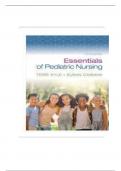
, Essentials of Pediatric Nursing 5th Edition Kyle Carman Test Bank TABL
#i #i #i #i #i #i #i #i #i #i
E OF CONTENT
#i #i
CHAPTER 1 Introduction to Child Health and Pediatric Nursing
#i #i #i #i #i #i #i #i
CHAPTER 2 Factors Influencing Child Health
#i #i #i #i #i
CHAPTER 3 Growth and Development of the Newborn and Infant
#i #i #i #i #i #i #i #i #i
CHAPTER 4 Growth and Development of the Toddler
#i #i #i #i #i #i #i
CHAPTER 5 Growth and Development of the Preschooler
#i #i #i #i #i #i #i
CHAPTER 6 Growth and Development of the School-Age Child
#i #i #i #i #i #i #i #i
CHAPTER 7 Growth and Development of the Adolescent
#i #i #i #i #i #i #i
CHAPTER 8 Atraumatic Care of Children and Families
#i #i #i #i #i #i #i
CHAPTER 9 Health Supervision
#i #i #i
CHAPTER 10 Health Assessment of Children
#i #i #i #i #i
CHAPTER 11 Caring for Children in Diverse Settings
#i #i #i #i #i #i #i
CHAPTER 12 Caring for the Special Needs Child
#i #i #i #i #i #i #i
CHAPTER 13 Key Pediatric Nursing Interventions
#i #i #i #i #i
CHAPTER 14 Nursing Care of the Child With an Alteration in Comfort–Pain Assessment and
#i #i #i #i #i #i #i #i #i #i #i #i #i
Management
CHAPTER 15 Nursing Care of the Child With an Infection
#i #i #i #i #i #i #i #i #i
CHAPTER 16 Nursing Care of the Child With an Alteration in Intracranial Regulation/Neurologic Disor
#i #i #i #i #i #i #i #i #i #i #i #i #i
der
CHAPTER 17 Nursing Care of the Child With an Alteration in Sensory Perception/Disorder of the
#i #i #i #i #i #i #i #i #i #i #i #i #i #i
Eyes or Ears
#i #i
CHAPTER 18 Nursing Care of the Child With an Alteration in Gas Exchange/Respiratory Disorder
#i #i #i #i #i #i #i #i #i #i #i #i #i
CHAPTER 19 Nursing Care of the Child With an Alteration in Perfusion/Cardiovascular Disorder
#i #i #i #i #i #i #i #i #i #i #i #i
CHAPTER 20 Nursing Care of the Child With an Alteration in Bowel Elimination/Gastrointestinal
#i #i #i #i #i #i #i #i #i #i #i #i
Disorder
CHAPTER 21 Nursing Care of the Child With an Alteration in Urinary Elimination/Genitourinary
#i #i #i #i #i #i #i #i #i #i #i #i
Disorder
CHAPTER 22 Nursing Care of the Child With an Alteration in Mobility/Neuromuscular or
#i #i #i #i #i #i #i #i #i #i #i #i
Musculoskeletal Disorder #i
CHAPTER 23 Nursing Care of the Child With an Alteration in Tissue Integrity/Integumentary Disord
#i #i #i #i #i #i #i #i #i #i #i #i #i
er
CHAPTER 24 Nursing Care of the Child With an Alteration in Cellular Regulation/Hematologic or
#i #i #i #i #i #i #i #i #i #i #i #i #i
Neoplastic Disorder #i
CHAPTER 25 Nursing Care of the Child With an Alteration in Immunity or Immunologic Disorder
#i #i #i #i #i #i #i #i #i #i #i #i #i #i
CHAPTER 26 Nursing Care of the Child With an Alteration in Metabolism/Endocrine Disorder
#i #i #i #i #i #i #i #i #i #i #i #i
CHAPTER 27 Nursing Care of the Child With an Alteration in Genetics
#i #i #i #i #i #i #i #i #i #i #i
CHAPTER 28 Nursing Care of the Child With an Alteration in Behavior, Cognition, or Development
#i #i #i #i #i #i #i #i #i #i #i #i #i #i
CHAPTER 29 Nursing Care During a Pediatric Emergency
#i #i #i #i #i #i #i
, Essentials of Pediatric Nursing 5th Edition Kyle Carman Test Bank#i #i #i #i #i #i #i #i #i
CHAPTER 1 Introduction to Child Health and Pediatric Nursing #i #i #i #i #i #i #i #i #i
MULTIPLE CHOICE #i
1. A nurse is planning a teaching session for parents of preschool children. Which
#i #i #i #i #i #i #i #i #i #i #i #i #
statement explains why the nurse should include information about morbidity and
i #i #i #i #i #i #i #i #i #i #i #
mortality?
i
a. Life-span statistics are included in the data. #i #i #i #i #i #i
b. It explains effectiveness of treatment.
#i #i #i #i
c. Cost-effective treatment is detailed for the general population. #i #i #i #i #i #i #i
d. High-
risk age groups for certain disorders or hazards are identified. ANS: D
#i #i #i #i #i #i #i #i #i #i #i
Analysis of morbidity and mortality data provides the parents with information about wh
#i #i #i #i #i #i #i #i #i #i #i #i
ich groups of individuals are at risk for which health problems. Life-
#i #i #i #i #i #i #i #i #i #i #i
span statistics is a part of the mortality data. Treatment modalities and cost are not includ
#i #i #i #i #i #i #i #i #i #i #i #i #i #i #i
ed in morbidity and mortality data.
#i #i #i #i #i
PTS: 1 DIF: Cognitive Level: Apply REF: 6-
#i #i #i #i #i #i #i
8 TOP: Integrated Process: Nursing Process: Planni
# i #i #i #i #i #i
ng
MSC: Area of Client Needs: Health Promotion and Maintenance
#i #i #i #i #i #i #i #i
2. A clinic nurse is planning a teaching session about childhood obesity prevention for p
#i #i #i #i #i #i #i #i #i #i #i #i #i
arents of school- #i #i
age children. The nurse should include which associated risk of obesity in the teaching pl
#i #i #i #i #i #i #i #i #i #i #i #i #i #i
an?
a. Type I diabetes #i #i
b. Respiratory disease #i
c. Celiac disease #i
d. Type II diabetes #i #i #
ANS: D
i #i
Childhood obesity has been associated with the rise of type II diabetes in children. Type I
#i #i #i #i #i #i #i #i #i #i #i #i #i #i #i #i
diabetes is not associated with obesity and has a genetic component. Respiratory disease
#i #i #i #i #i #i #i #i #i #i #i #i #i
is not associated with obesity, and celiac disease is the inability to metabolize gluten in f
#i #i #i #i #i #i #i #i #i #i #i #i #i #i #i
oods and is not associated with obesity.
#i #i #i #i #i #i
PTS: 1 DIF: Cognitive Level: Apply REF: 3
#i #i #i #i #i #i #i
TOP: Integrated Process: Nursing Process: Planning
#i #i #i #i #i
MSC: Area of Client Needs: Health Promotion and Maintenance
#i #i #i #i #i #i #i #i
3. Which is the leading cause of death in infants younger than 1 year?
#i #i #i #i #i #i #i #i #i #i #i #i
a. Congenital anomalies #i
b. Sudden infant death syndrome #i #i #i
c. Respiratory distress syndrome #i #i
d. Bacterial sepsis of the newborn #i #i #i #i #i
ANS: A #i
Congenital anomalies account for 20.1% of deaths in infants younger than 1 year. Sudden
#i #i #i #i #i #i #i #i #i #i #i #i #i #i
infant death syndrome accounts for 8.2% of deaths in this age group. Respiratory distress
#i #i #i #i #i #i #i #i #i #i #i #i #i #
syndrome accounts for 3.4% of deaths in this age group. Infections specific to the perinat
i #i #i #i #i #i #i #i #i #i #i #i #i #i #i
al period account for 2.7% of deaths in this age group.
#i #i #i #i #i #i #i #i #i #i
WWW.NURSYLAB.COM
, PTS: 1 DIF: Cognitive Level: Remember REF: 7 TO
#i #i #i #i #i #i #i # i
P: Integrated Process: Nursing Process: Assessment
#i #i #i #i #i
MSC: Area of Client Needs: Health Promotion and Maintenance
#i #i #i #i #i #i #i #i
4. Which leading cause of death topic should the nurse emphasize to a group of African-
#i #i #i #i #i #i #i #i #i #i #i #i #i #i
American boys ranging in ages 15 to 19 years?
#i #i #i #i #i #i #i #i #i
a. Suicide
b. Cancer
c. Firearm homicide #i
d. Occupational injuries #i
ANS: C
#i #i
Firearm homicide is the second overall cause of death in this age group and the leading c
#i #i #i #i #i #i #i #i #i #i #i #i #i #i #i #i
ause of death in African-American males. Suicide is the third-
#i #i #i #i #i #i #i #i #i
leading cause of death in this population. Cancer, although a major health problem, is the
#i #i #i #i #i #i #i #i #i #i #i #i #i #i
fourth-
#i
leading cause of death in this age group. Occupational injuries do not contribute to a signi
#i #i #i #i #i #i #i #i #i #i #i #i #i #i #i
ficant death rate for this age group.
#i #i #i #i #i #i
PTS: 1 DIF: Cognitive Level: Understand REF: 5 | 8 T
#i #i #i #i #i #i #i #i #i #i
OP: Integrated Process: Nursing Process: Planning
#i #i #i #i #i
MSC: Area of Client Needs: Health Promotion and Maintenance
#i #i #i #i #i #i #i #i
5. Which is the major cause of death for children older than 1 year?
#i #i #i #i #i #i #i #i #i #i #i #i
a. Cancer
b. Heart disease #i
c. Unintentional injuries #i
d. Congenital anomalies #i
ANS: C
#i #i
Unintentional injuries (accidents) are the leading cause of death after age 1 year through
#i #i #i #i #i #i #i #i #i #i #i #i #i #i
adolescence. Congenital anomalies are the leading cause of death in those younger than 1
#i #i #i #i #i #i #i #i #i #i #i #i #i #
year. Cancer ranks either second or fourth, depending on the age group, and heart disease
i #i #i #i #i #i #i #i #i #i #i #i #i #i #i #
ranks fifth in the majority of the age groups.
i #i #i #i #i #i #i #i #i
PTS: 1 DIF: Cognitive Level: Remember REF: 8 T
#i #i #i #i #i #i #i #i
OP: Integrated Process: Nursing Process: Planning
#i #i #i #i #i
MSC: Area of Client Needs: Health Promotion and Maintenance
#i #i #i #i #i #i #i #i
6. Which is the leading cause of death from unintentional injuries for females ranging in
#i #i #i #i #i #i #i #i #i #i #i #i #i #
age from 1 to 14?
i #i #i #i #i
a. Mechanical suffocation #i
b. Drowning
c. Motorvehicle-related fatalities #i
d. Fire- and burn- #i #i
related fatalities ANS: C #i #i #i
Motorvehicle-
related fatalities are the leading cause of death for females ranging in age from 1 to 14, eit
#i #i #i #i #i #i #i #i #i #i #i #i #i #i #i #i #i
her as passengers or as pedestrians. Mechanical suffocation is fourth or fifth, depending o
#i #i #i #i #i #i #i #i #i #i #i #i #i
n the age. Drowning is the second- or third-
#i #i #i #i #i #i #i #i
leading cause of death, depending on the age. Fire- and burn-
#i #i #i #i #i #i #i #i #i #i
related fatalities are the second-leading cause of death.
#i #i #i #i #i #i #i
PTS: 1 DIF: Cognitive Level: Remember REF: 4 TO
#i #i #i #i #i #i #i # i
P: Integrated Process: Nursing Process: Assessment
#i #i #i #i #i
MSC: Area of Client Needs: Health Promotion and Maintenance
#i #i #i #i #i #i #i #i
WWW.NURSYLAB.COM
#i #i #i #i #i #i #i #i #i #i
E OF CONTENT
#i #i
CHAPTER 1 Introduction to Child Health and Pediatric Nursing
#i #i #i #i #i #i #i #i
CHAPTER 2 Factors Influencing Child Health
#i #i #i #i #i
CHAPTER 3 Growth and Development of the Newborn and Infant
#i #i #i #i #i #i #i #i #i
CHAPTER 4 Growth and Development of the Toddler
#i #i #i #i #i #i #i
CHAPTER 5 Growth and Development of the Preschooler
#i #i #i #i #i #i #i
CHAPTER 6 Growth and Development of the School-Age Child
#i #i #i #i #i #i #i #i
CHAPTER 7 Growth and Development of the Adolescent
#i #i #i #i #i #i #i
CHAPTER 8 Atraumatic Care of Children and Families
#i #i #i #i #i #i #i
CHAPTER 9 Health Supervision
#i #i #i
CHAPTER 10 Health Assessment of Children
#i #i #i #i #i
CHAPTER 11 Caring for Children in Diverse Settings
#i #i #i #i #i #i #i
CHAPTER 12 Caring for the Special Needs Child
#i #i #i #i #i #i #i
CHAPTER 13 Key Pediatric Nursing Interventions
#i #i #i #i #i
CHAPTER 14 Nursing Care of the Child With an Alteration in Comfort–Pain Assessment and
#i #i #i #i #i #i #i #i #i #i #i #i #i
Management
CHAPTER 15 Nursing Care of the Child With an Infection
#i #i #i #i #i #i #i #i #i
CHAPTER 16 Nursing Care of the Child With an Alteration in Intracranial Regulation/Neurologic Disor
#i #i #i #i #i #i #i #i #i #i #i #i #i
der
CHAPTER 17 Nursing Care of the Child With an Alteration in Sensory Perception/Disorder of the
#i #i #i #i #i #i #i #i #i #i #i #i #i #i
Eyes or Ears
#i #i
CHAPTER 18 Nursing Care of the Child With an Alteration in Gas Exchange/Respiratory Disorder
#i #i #i #i #i #i #i #i #i #i #i #i #i
CHAPTER 19 Nursing Care of the Child With an Alteration in Perfusion/Cardiovascular Disorder
#i #i #i #i #i #i #i #i #i #i #i #i
CHAPTER 20 Nursing Care of the Child With an Alteration in Bowel Elimination/Gastrointestinal
#i #i #i #i #i #i #i #i #i #i #i #i
Disorder
CHAPTER 21 Nursing Care of the Child With an Alteration in Urinary Elimination/Genitourinary
#i #i #i #i #i #i #i #i #i #i #i #i
Disorder
CHAPTER 22 Nursing Care of the Child With an Alteration in Mobility/Neuromuscular or
#i #i #i #i #i #i #i #i #i #i #i #i
Musculoskeletal Disorder #i
CHAPTER 23 Nursing Care of the Child With an Alteration in Tissue Integrity/Integumentary Disord
#i #i #i #i #i #i #i #i #i #i #i #i #i
er
CHAPTER 24 Nursing Care of the Child With an Alteration in Cellular Regulation/Hematologic or
#i #i #i #i #i #i #i #i #i #i #i #i #i
Neoplastic Disorder #i
CHAPTER 25 Nursing Care of the Child With an Alteration in Immunity or Immunologic Disorder
#i #i #i #i #i #i #i #i #i #i #i #i #i #i
CHAPTER 26 Nursing Care of the Child With an Alteration in Metabolism/Endocrine Disorder
#i #i #i #i #i #i #i #i #i #i #i #i
CHAPTER 27 Nursing Care of the Child With an Alteration in Genetics
#i #i #i #i #i #i #i #i #i #i #i
CHAPTER 28 Nursing Care of the Child With an Alteration in Behavior, Cognition, or Development
#i #i #i #i #i #i #i #i #i #i #i #i #i #i
CHAPTER 29 Nursing Care During a Pediatric Emergency
#i #i #i #i #i #i #i
, Essentials of Pediatric Nursing 5th Edition Kyle Carman Test Bank#i #i #i #i #i #i #i #i #i
CHAPTER 1 Introduction to Child Health and Pediatric Nursing #i #i #i #i #i #i #i #i #i
MULTIPLE CHOICE #i
1. A nurse is planning a teaching session for parents of preschool children. Which
#i #i #i #i #i #i #i #i #i #i #i #i #
statement explains why the nurse should include information about morbidity and
i #i #i #i #i #i #i #i #i #i #i #
mortality?
i
a. Life-span statistics are included in the data. #i #i #i #i #i #i
b. It explains effectiveness of treatment.
#i #i #i #i
c. Cost-effective treatment is detailed for the general population. #i #i #i #i #i #i #i
d. High-
risk age groups for certain disorders or hazards are identified. ANS: D
#i #i #i #i #i #i #i #i #i #i #i
Analysis of morbidity and mortality data provides the parents with information about wh
#i #i #i #i #i #i #i #i #i #i #i #i
ich groups of individuals are at risk for which health problems. Life-
#i #i #i #i #i #i #i #i #i #i #i
span statistics is a part of the mortality data. Treatment modalities and cost are not includ
#i #i #i #i #i #i #i #i #i #i #i #i #i #i #i
ed in morbidity and mortality data.
#i #i #i #i #i
PTS: 1 DIF: Cognitive Level: Apply REF: 6-
#i #i #i #i #i #i #i
8 TOP: Integrated Process: Nursing Process: Planni
# i #i #i #i #i #i
ng
MSC: Area of Client Needs: Health Promotion and Maintenance
#i #i #i #i #i #i #i #i
2. A clinic nurse is planning a teaching session about childhood obesity prevention for p
#i #i #i #i #i #i #i #i #i #i #i #i #i
arents of school- #i #i
age children. The nurse should include which associated risk of obesity in the teaching pl
#i #i #i #i #i #i #i #i #i #i #i #i #i #i
an?
a. Type I diabetes #i #i
b. Respiratory disease #i
c. Celiac disease #i
d. Type II diabetes #i #i #
ANS: D
i #i
Childhood obesity has been associated with the rise of type II diabetes in children. Type I
#i #i #i #i #i #i #i #i #i #i #i #i #i #i #i #i
diabetes is not associated with obesity and has a genetic component. Respiratory disease
#i #i #i #i #i #i #i #i #i #i #i #i #i
is not associated with obesity, and celiac disease is the inability to metabolize gluten in f
#i #i #i #i #i #i #i #i #i #i #i #i #i #i #i
oods and is not associated with obesity.
#i #i #i #i #i #i
PTS: 1 DIF: Cognitive Level: Apply REF: 3
#i #i #i #i #i #i #i
TOP: Integrated Process: Nursing Process: Planning
#i #i #i #i #i
MSC: Area of Client Needs: Health Promotion and Maintenance
#i #i #i #i #i #i #i #i
3. Which is the leading cause of death in infants younger than 1 year?
#i #i #i #i #i #i #i #i #i #i #i #i
a. Congenital anomalies #i
b. Sudden infant death syndrome #i #i #i
c. Respiratory distress syndrome #i #i
d. Bacterial sepsis of the newborn #i #i #i #i #i
ANS: A #i
Congenital anomalies account for 20.1% of deaths in infants younger than 1 year. Sudden
#i #i #i #i #i #i #i #i #i #i #i #i #i #i
infant death syndrome accounts for 8.2% of deaths in this age group. Respiratory distress
#i #i #i #i #i #i #i #i #i #i #i #i #i #
syndrome accounts for 3.4% of deaths in this age group. Infections specific to the perinat
i #i #i #i #i #i #i #i #i #i #i #i #i #i #i
al period account for 2.7% of deaths in this age group.
#i #i #i #i #i #i #i #i #i #i
WWW.NURSYLAB.COM
, PTS: 1 DIF: Cognitive Level: Remember REF: 7 TO
#i #i #i #i #i #i #i # i
P: Integrated Process: Nursing Process: Assessment
#i #i #i #i #i
MSC: Area of Client Needs: Health Promotion and Maintenance
#i #i #i #i #i #i #i #i
4. Which leading cause of death topic should the nurse emphasize to a group of African-
#i #i #i #i #i #i #i #i #i #i #i #i #i #i
American boys ranging in ages 15 to 19 years?
#i #i #i #i #i #i #i #i #i
a. Suicide
b. Cancer
c. Firearm homicide #i
d. Occupational injuries #i
ANS: C
#i #i
Firearm homicide is the second overall cause of death in this age group and the leading c
#i #i #i #i #i #i #i #i #i #i #i #i #i #i #i #i
ause of death in African-American males. Suicide is the third-
#i #i #i #i #i #i #i #i #i
leading cause of death in this population. Cancer, although a major health problem, is the
#i #i #i #i #i #i #i #i #i #i #i #i #i #i
fourth-
#i
leading cause of death in this age group. Occupational injuries do not contribute to a signi
#i #i #i #i #i #i #i #i #i #i #i #i #i #i #i
ficant death rate for this age group.
#i #i #i #i #i #i
PTS: 1 DIF: Cognitive Level: Understand REF: 5 | 8 T
#i #i #i #i #i #i #i #i #i #i
OP: Integrated Process: Nursing Process: Planning
#i #i #i #i #i
MSC: Area of Client Needs: Health Promotion and Maintenance
#i #i #i #i #i #i #i #i
5. Which is the major cause of death for children older than 1 year?
#i #i #i #i #i #i #i #i #i #i #i #i
a. Cancer
b. Heart disease #i
c. Unintentional injuries #i
d. Congenital anomalies #i
ANS: C
#i #i
Unintentional injuries (accidents) are the leading cause of death after age 1 year through
#i #i #i #i #i #i #i #i #i #i #i #i #i #i
adolescence. Congenital anomalies are the leading cause of death in those younger than 1
#i #i #i #i #i #i #i #i #i #i #i #i #i #
year. Cancer ranks either second or fourth, depending on the age group, and heart disease
i #i #i #i #i #i #i #i #i #i #i #i #i #i #i #
ranks fifth in the majority of the age groups.
i #i #i #i #i #i #i #i #i
PTS: 1 DIF: Cognitive Level: Remember REF: 8 T
#i #i #i #i #i #i #i #i
OP: Integrated Process: Nursing Process: Planning
#i #i #i #i #i
MSC: Area of Client Needs: Health Promotion and Maintenance
#i #i #i #i #i #i #i #i
6. Which is the leading cause of death from unintentional injuries for females ranging in
#i #i #i #i #i #i #i #i #i #i #i #i #i #
age from 1 to 14?
i #i #i #i #i
a. Mechanical suffocation #i
b. Drowning
c. Motorvehicle-related fatalities #i
d. Fire- and burn- #i #i
related fatalities ANS: C #i #i #i
Motorvehicle-
related fatalities are the leading cause of death for females ranging in age from 1 to 14, eit
#i #i #i #i #i #i #i #i #i #i #i #i #i #i #i #i #i
her as passengers or as pedestrians. Mechanical suffocation is fourth or fifth, depending o
#i #i #i #i #i #i #i #i #i #i #i #i #i
n the age. Drowning is the second- or third-
#i #i #i #i #i #i #i #i
leading cause of death, depending on the age. Fire- and burn-
#i #i #i #i #i #i #i #i #i #i
related fatalities are the second-leading cause of death.
#i #i #i #i #i #i #i
PTS: 1 DIF: Cognitive Level: Remember REF: 4 TO
#i #i #i #i #i #i #i # i
P: Integrated Process: Nursing Process: Assessment
#i #i #i #i #i
MSC: Area of Client Needs: Health Promotion and Maintenance
#i #i #i #i #i #i #i #i
WWW.NURSYLAB.COM