Maternal-Newborn Assessment: The Basics c c c
Studyconlinecatchttps://quizlet.com/_byh401
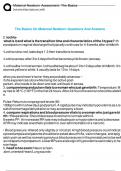
The Basics On Maternal Newborn Questions And Answers
2. lochia-
what is it and what is the transition time and characteristics of the 3 types?: th
c c c c c c c c c c c c c c c c
e postpartum vaginal discharge that typically continues for 4-6 weeks after childbirth
c c c c c c c c c c c
• Lochia rubra: red, lasts days 1-2 then transitions to serosa
c c c c c c c c c
• Lochia serosa: after 3 to 4 days the flow becomes pink/brown (serosa).
c c c c c c c c c c c
• Lochia alba: In most women, lochia alba begins about 10 to 12 days after childbirth. It b
c c c c c c c c c c c c c c c c
ecomes yellow to white. It usually lasts for 10 to 14 days.
c c c c c c c c c c c
when you send mom's home- they are probably at serosa---
c c c c c c c c c
if she experiences rubra while being too active post-
c c c c c c c c c
partum, she needs to lie down and rest until back in serosa
c c c c c c c c c c c
3. compare temp and pulse vitals to a woman who just gave birth: Temperature: M
c c c c c c c c c c c c c
ay rise to 38 °C (100°F) in the first 24 hours. After 24 hours the woman should be afebril
c c c c c c c c c c c c c c c c c c
e.
Pulse: Returns to nonpregnant levels (60-
c c c c c
100bpm) within a few days postpartum. A rapid pulse may indicate hypovolemia as a re
c c c c c c c c c c c c c c
sult of hemorrhage/dehydration or may accompany a fever.
c c c c c c c
4. compare respirations and blood pressure vitals to a woman who just gave bi
c c c c c c c c c c c c
rth: •Respirations: Should decrease to woman's normals within 6-
c c c c c c c c
8 weeks PP. An increased RR rate may indicate pain or hypovolemia and a decrease
c c c c c c c c c c c c c c
d RR may indicate anesthetic problem or over administration of a narcotic.
c c c c c c c c c c c
• Blood pressure: Altered only slightly or not at all. A high blood pressure could indicat
c c c c c c c c c c c c c c
e preeclampsia and patients should be to asked about H/As, vision changes, and epig
c c c c c c c c c c c c c
astric pain as well as reviewing previous blood pressures in the prenatal period as well
c c c c c c c c c c c c c c
as intrapartum/postpartum. Lower BPs are a late sign of hypovolemia secondary to he
c c c c c c c c c c c c c
morrhage.
5. head to toe exam: Neuro screen-
c c c c c
alert, oriented Heart/Lung sounds-
c c c c
1c/c5
, Maternal-Newborn Assessment: The Basics
c c c
Studyconlinecatchttps://quizlet.com/_byh401
c any abnormalities?
c
2c/c5
Studyconlinecatchttps://quizlet.com/_byh401
The Basics On Maternal Newborn Questions And Answers
2. lochia-
what is it and what is the transition time and characteristics of the 3 types?: th
c c c c c c c c c c c c c c c c
e postpartum vaginal discharge that typically continues for 4-6 weeks after childbirth
c c c c c c c c c c c
• Lochia rubra: red, lasts days 1-2 then transitions to serosa
c c c c c c c c c
• Lochia serosa: after 3 to 4 days the flow becomes pink/brown (serosa).
c c c c c c c c c c c
• Lochia alba: In most women, lochia alba begins about 10 to 12 days after childbirth. It b
c c c c c c c c c c c c c c c c
ecomes yellow to white. It usually lasts for 10 to 14 days.
c c c c c c c c c c c
when you send mom's home- they are probably at serosa---
c c c c c c c c c
if she experiences rubra while being too active post-
c c c c c c c c c
partum, she needs to lie down and rest until back in serosa
c c c c c c c c c c c
3. compare temp and pulse vitals to a woman who just gave birth: Temperature: M
c c c c c c c c c c c c c
ay rise to 38 °C (100°F) in the first 24 hours. After 24 hours the woman should be afebril
c c c c c c c c c c c c c c c c c c
e.
Pulse: Returns to nonpregnant levels (60-
c c c c c
100bpm) within a few days postpartum. A rapid pulse may indicate hypovolemia as a re
c c c c c c c c c c c c c c
sult of hemorrhage/dehydration or may accompany a fever.
c c c c c c c
4. compare respirations and blood pressure vitals to a woman who just gave bi
c c c c c c c c c c c c
rth: •Respirations: Should decrease to woman's normals within 6-
c c c c c c c c
8 weeks PP. An increased RR rate may indicate pain or hypovolemia and a decrease
c c c c c c c c c c c c c c
d RR may indicate anesthetic problem or over administration of a narcotic.
c c c c c c c c c c c
• Blood pressure: Altered only slightly or not at all. A high blood pressure could indicat
c c c c c c c c c c c c c c
e preeclampsia and patients should be to asked about H/As, vision changes, and epig
c c c c c c c c c c c c c
astric pain as well as reviewing previous blood pressures in the prenatal period as well
c c c c c c c c c c c c c c
as intrapartum/postpartum. Lower BPs are a late sign of hypovolemia secondary to he
c c c c c c c c c c c c c
morrhage.
5. head to toe exam: Neuro screen-
c c c c c
alert, oriented Heart/Lung sounds-
c c c c
1c/c5
, Maternal-Newborn Assessment: The Basics
c c c
Studyconlinecatchttps://quizlet.com/_byh401
c any abnormalities?
c
2c/c5