Solutions
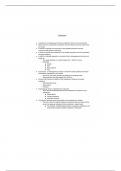
● A solution is a homogeneous mixture comprised of two or more components
● When only two components are present, they are referred to as the solvent and
the solute
● A solvent is typically the component in the greatest proportion and the
component that does the dissolving
● A solute is typically the component in the smaller proportion and the component
that gets dissolved
● A colloid or colloidal dispersion is a solution that is heterogeneous but does not
settle out
○ The solute particles in a colloid range from 1-1000 nm in size
○ Examples
■ Smoke
■ Milk
■ Blood plasma
■ Fog
● Suspension - a heterogeneous mixture in which the solute particles have been
momentarily suspended in the solution
○ Over time, the solute particles will settle into a separate phase
○ Solute particle sizes are greater than 1000 nm
● Factors that influence the ability of one substance to dissolve in another
substance
○ Intermolecular forces
○ Temperature
○ Pressure
● Intermolecular forces of attraction for molecules
○ There are three intermolecular forces of attraction of interest for pure
substances
■ Dipole-dipole
■ London dispersion
■ Hydrogen bonding
● The effect of pressure upon the solubility of one substance in another
○ There is a direct correlation between the pressure above a liquid and the
amount of gaseous substance that will dissolve in a giver liquid
■ For example, Increasing the pressure of a gaseous substance over
a liquid will increase its ability to dissolve in that liquid
● A solution is a homogeneous mixture comprised of two or more components
● When only two components are present, they are referred to as the solvent and
the solute
● A solvent is typically the component in the greatest proportion and the
component that does the dissolving
● A solute is typically the component in the smaller proportion and the component
that gets dissolved
● A colloid or colloidal dispersion is a solution that is heterogeneous but does not
settle out
○ The solute particles in a colloid range from 1-1000 nm in size
○ Examples
■ Smoke
■ Milk
■ Blood plasma
■ Fog
● Suspension - a heterogeneous mixture in which the solute particles have been
momentarily suspended in the solution
○ Over time, the solute particles will settle into a separate phase
○ Solute particle sizes are greater than 1000 nm
● Factors that influence the ability of one substance to dissolve in another
substance
○ Intermolecular forces
○ Temperature
○ Pressure
● Intermolecular forces of attraction for molecules
○ There are three intermolecular forces of attraction of interest for pure
substances
■ Dipole-dipole
■ London dispersion
■ Hydrogen bonding
● The effect of pressure upon the solubility of one substance in another
○ There is a direct correlation between the pressure above a liquid and the
amount of gaseous substance that will dissolve in a giver liquid
■ For example, Increasing the pressure of a gaseous substance over
a liquid will increase its ability to dissolve in that liquid