CFP General Principles of Financial Planning Exam Guide Questions and Answers
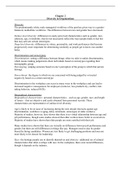
Describe the financial planning process: responsibilities of financial planner, client, and other advisers. - ANSWER-All of the parties involved in the financial planning process have certain responsibilities. The financial planner must evaluate the needs of the client, explain complicated financial concepts, analyze the financial circumstances of the client, prepare financial plans, clarify client goals, and, finally, implement and monitor the financial plan. The client is responsible for making known his or her goals and objectives, for being receptive to creative financial plans, and for working to advance the agreed-upon plan. The other advisers that are brought in to assist in the financial planning process are responsible for fulfilling whatever their particular task may be as desginated by the financial planner with the approval of the client. Describe the financial planning process: step three. - ANSWER-After the financial planner has established a solid working relationship and acquired the data necessary to construct a good financial plan, he or she should seek to painstakingly assess the client's current financial status. This can only be done by rigorously analyzing and evaluating the client's insurance and risk management, special needs, investments, taxation, employee benefits, retirement, and estate planning. Of course, not all these subjects will be applicable for each client. The purpose of this assessment should be to identify the strengths and weaknesses of the client's financial situation. Once this is done, it may be necessary to revise the goals set forth by the client during step two of the financial planning process. Describe the financial planning process: steps four, five, and six. - ANSWER-Once the financial planner and client have set out achievable, realistic goals based on an accurate assessment of the client's financial status, the financial planner can begin to develop a suitable financial plan. This means creating a set of financial strategies that are suited to the client's objectives and goals. Once the client has agreed to a plan, the financial planner will move to implement that plan. This may involve motivating the client as well as incorporating the advice and aid of outside experts as required. Once the plan has been fully implemented, the financial planner must constantly monitor it. This includes evaluating performance, reviewing changes in the client's circumstances (as well as any releant changes in tax law), and adjusting the plan as necessary. Describe the Code of Ethics and Professional Responsibility terminology: Fee-only, financial engagement, and personal financial planning. - ANSWER-The Code of Ethics and Professional Responsibility defines a number of terms that are essential to the practice of financial planning. The term fee-only refers to a method of compensation in which the financial planner receives compensation only from the client and receives no compensation that depends on the purchase or sale of
Escuela, estudio y materia
- Institución
- CFP - Certified Financial Planner
- Grado
- CFP - Certified Financial Planner
Información del documento
- Subido en
- 10 de marzo de 2024
- Número de páginas
- 11
- Escrito en
- 2023/2024
- Tipo
- Examen
- Contiene
- Preguntas y respuestas
Temas
-
cfp general principles of financial planning exam
-
describe the financial planning process responsib

Documento también disponible en un lote