solving linear and compound linear inequalities
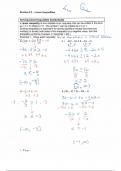
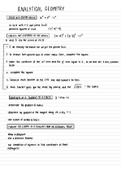
In algebra, solving linear and compound linear inequalities involves finding the values of a variable that satisfy the given inequality statement. Linear inequalities are expressed using inequality symbols such as (less than), (greater than), ≤ (less than or equal to), or ≥ (greater than or equal to). To solve a linear inequality, we perform similar operations on both sides of the inequality sign to isolate the variable. The solution is represented as an interval or a set of values that make the inequality true. Compound linear inequalities involve multiple linear inequalities combined with logical operators such as "and" or "or." To solve compound linear inequalities, we solve each inequality separately and then combine the solutions based on the logical operator. The solutions are represented as a combined interval or a set of values satisfying all the inequalities. Solving linear and compound linear inequalities allows us to determine the range of values that satisfy specific conditions and helps us make decisions or analyze situations in various applications of algebra.
Escuela, estudio y materia
Información del documento
- Subido en
- 17 de junio de 2023
- Número de páginas
- 2
- Escrito en
- 2022/2023
- Tipo
- NOTAS DE LECTURA
- Profesor(es)
- Carmen mccullough
- Contiene
- Todas las clases

Documento también disponible en un lote