1. Questions
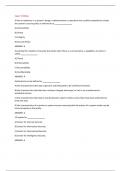
A client reports for a scheduled
electroencephalogram (EEG). Which
statement by the client indicates a need for
additional preparation for the test?
A. “I didn’t shampoo my hair.” Correct
B. “I ate breakfast this morning.”
C. “I didn’t take my anticonvulsant
today.”
D. “It was hard not to drink coffee this
morning,care
Rationale: Preprocedure butforI EEG
knew that
involves I couldn’t,
client teaching
about the procedure, ensuring that the client’s hair has been
so I didn’t.”
freshly shampooed, and providing a light meal and fluids to
prevent hypoglycemia, which could alter brain waves.
Medications such as antidepressants, tranquilizers, and
HESI Concepts: Teaching and Learning/Patient Education, Intracranial
anticonvulsants are withheld for 24 to 48 hours before the
Regulation
procedure as prescribed. Stimulants such as coffee, tea, cola,
Reference: Ignatavicius, D., & Workman, M. (2013). Medical-surgical
alcohol, and cigarettes are also withheld.
nursing:
Test-Taking Strategy: Use your knowledge of the EEG procedure to
Awarded 1.0 points
answer the question and note out of 1.0words
the strategic possible points.
“needs additional
preparation.” These words indicate a negative event query and the
need to select the incorrect client statement. Recalling the purpose
of an EEG and the anatomical location of this test will direct you to
the correct option. Review preparation for an EEG Level of Cognitive
Ability: Evaluating
Client Needs: Physiological Integrity
Integrated Process: Nursing Process/Evaluation
,2. 2.ID: 9477054249
A client who just returned from the
recovery room after a tonsillectomy and
adenoidectomy is restless and the pulse
rate is increased. As the nurse continues
the assessment, the client begins to vomit
a copious amount of bright-red blood. The
nurse should take which immediate action?
A. Notify the surgeon Correct
B. Continue the assessment
,HESI Extra Credit Module 9 Exam 100
QUESTIONS AND ANSWERS SATISFACTION
GUARANTEED SUCCESS LATEST UPDATE
2022/2023 GRADED A+
C. Check the client’s blood pressure
D. Obtain a flashlight, gauze, and a
curved hemostat
Rationale: Hemorrhage is a potential complication after
tonsillectomy and adenoidectomy. If the client vomits a large
amount of bright-red blood or the pulse rate increases and the
patient is restless, the nurse must notify the surgeon immediately.
The nurse should obtain a light, mirror, gauze, curved hemostat,
and waste basin to facilitate examination of the surgical site. The
nurse should also gather additional assessment data, but the
surgeon must be contacted immediately.
Test-Taking Strategy: Note the strategic word, immediate. Noting
the words “bright-red blood” will assist in directing you to the
correct option. Remember that the presence of bright-red blood
indicates active bleeding. Review the nursing actions to be taken
immediately when bleeding occurs after a tonsillectomy and
adenoidectomy
Level of Cognitive Ability: Applying
Client Needs: Physiological Integrity
Integrated Process: Nursing Process/Implementation
Content Area: Critical Care: Emergency Situation/Management
Giddens Concepts: Collaboration, Clotting
Awarded 1.0 points out of 1.0 possible points.
3. 3.ID: 9477051455
HESI Extra Credit Module 9 Exam 100
QUESTIONS AND ANSWERS SATISFACTION
GUARANTEED SUCCESS LATEST UPDATE
2022/2023 GRADED A+
, HESI Extra Credit Module 9 Exam 100
QUESTIONS AND ANSWERS SATISFACTION
GUARANTEED SUCCESS LATEST UPDATE
2022/2023 GRADED A+
A client who has just undergone surgery
suddenly experiences chest pain, dyspnea,
and tachypnea. The nurse suspects that the
client has a pulmonary embolism and
immediately sets about to take which action?
A. Preparing the client for a perfusion
scan
B. Attaching the client to a cardiac
monitor
C. Administering oxygen by way of
nasal cannula Correct
D. Ensuring that the intravenous (IV)
line is patent
HESI Extra Credit Module 9 Exam 100
QUESTIONS AND ANSWERS SATISFACTION
GUARANTEED SUCCESS LATEST UPDATE
2022/2023 GRADED A+
A client reports for a scheduled
electroencephalogram (EEG). Which
statement by the client indicates a need for
additional preparation for the test?
A. “I didn’t shampoo my hair.” Correct
B. “I ate breakfast this morning.”
C. “I didn’t take my anticonvulsant
today.”
D. “It was hard not to drink coffee this
morning,care
Rationale: Preprocedure butforI EEG
knew that
involves I couldn’t,
client teaching
about the procedure, ensuring that the client’s hair has been
so I didn’t.”
freshly shampooed, and providing a light meal and fluids to
prevent hypoglycemia, which could alter brain waves.
Medications such as antidepressants, tranquilizers, and
HESI Concepts: Teaching and Learning/Patient Education, Intracranial
anticonvulsants are withheld for 24 to 48 hours before the
Regulation
procedure as prescribed. Stimulants such as coffee, tea, cola,
Reference: Ignatavicius, D., & Workman, M. (2013). Medical-surgical
alcohol, and cigarettes are also withheld.
nursing:
Test-Taking Strategy: Use your knowledge of the EEG procedure to
Awarded 1.0 points
answer the question and note out of 1.0words
the strategic possible points.
“needs additional
preparation.” These words indicate a negative event query and the
need to select the incorrect client statement. Recalling the purpose
of an EEG and the anatomical location of this test will direct you to
the correct option. Review preparation for an EEG Level of Cognitive
Ability: Evaluating
Client Needs: Physiological Integrity
Integrated Process: Nursing Process/Evaluation
,2. 2.ID: 9477054249
A client who just returned from the
recovery room after a tonsillectomy and
adenoidectomy is restless and the pulse
rate is increased. As the nurse continues
the assessment, the client begins to vomit
a copious amount of bright-red blood. The
nurse should take which immediate action?
A. Notify the surgeon Correct
B. Continue the assessment
,HESI Extra Credit Module 9 Exam 100
QUESTIONS AND ANSWERS SATISFACTION
GUARANTEED SUCCESS LATEST UPDATE
2022/2023 GRADED A+
C. Check the client’s blood pressure
D. Obtain a flashlight, gauze, and a
curved hemostat
Rationale: Hemorrhage is a potential complication after
tonsillectomy and adenoidectomy. If the client vomits a large
amount of bright-red blood or the pulse rate increases and the
patient is restless, the nurse must notify the surgeon immediately.
The nurse should obtain a light, mirror, gauze, curved hemostat,
and waste basin to facilitate examination of the surgical site. The
nurse should also gather additional assessment data, but the
surgeon must be contacted immediately.
Test-Taking Strategy: Note the strategic word, immediate. Noting
the words “bright-red blood” will assist in directing you to the
correct option. Remember that the presence of bright-red blood
indicates active bleeding. Review the nursing actions to be taken
immediately when bleeding occurs after a tonsillectomy and
adenoidectomy
Level of Cognitive Ability: Applying
Client Needs: Physiological Integrity
Integrated Process: Nursing Process/Implementation
Content Area: Critical Care: Emergency Situation/Management
Giddens Concepts: Collaboration, Clotting
Awarded 1.0 points out of 1.0 possible points.
3. 3.ID: 9477051455
HESI Extra Credit Module 9 Exam 100
QUESTIONS AND ANSWERS SATISFACTION
GUARANTEED SUCCESS LATEST UPDATE
2022/2023 GRADED A+
, HESI Extra Credit Module 9 Exam 100
QUESTIONS AND ANSWERS SATISFACTION
GUARANTEED SUCCESS LATEST UPDATE
2022/2023 GRADED A+
A client who has just undergone surgery
suddenly experiences chest pain, dyspnea,
and tachypnea. The nurse suspects that the
client has a pulmonary embolism and
immediately sets about to take which action?
A. Preparing the client for a perfusion
scan
B. Attaching the client to a cardiac
monitor
C. Administering oxygen by way of
nasal cannula Correct
D. Ensuring that the intravenous (IV)
line is patent
HESI Extra Credit Module 9 Exam 100
QUESTIONS AND ANSWERS SATISFACTION
GUARANTEED SUCCESS LATEST UPDATE
2022/2023 GRADED A+