EDUCATIONAL PSYCHOLOGY EXAM
4 QUESTIONS & ANSWERS(RATED
A)
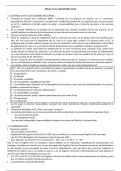
Extrinsic Motivation - ANSWEREngaging in an activity to obtain an outcome that is
distinct from the activity
a. Comes from the outside; Almost everything in college is extrinsically motivated
(Such as getting a good grade), or when kids get a sticker, candy, or pat on back
2. Intrinsic Motivation - ANSWEREngaging in an activity when the reward is the
activity itself
a. Internal, from the inside→ Reward is the activity itself
➢ Some activities can be both: Reading because you love it (Intrinsic), but then you
get to put it down for a book club activity and win a prize (Extrinsic)
a. Academic Intrinsic Motivation (Characterized by...5) - ANSWERCharacterized by:
i. Curiosity
ii. Persistence
iii. Learning of Challenging, Novel Tasks
iv. Focus on Mastery
v. Want kids to feel this way
Ways to Improve Intrinsic Motivation (6) - ANSWERa. Introduce a lesson by
conveying its importance or relevance
b. Use enthusiasm, novelty, and surprise
c. Design tasks of optimal difficulty
d. Provide students with choices for learning activities
e. Create tasks that involve collaborative grouping
f. Display student work to emphasize effort, creativity, and pride in accomplishments
1. Expectancy-Value Theory - ANSWERTwo components that affect motivation:
a. Expectancy for success
b. Value: Reasons for undertaking a task
c. Expectancy x Value= Motivation
b. Middle/ High School & Extrinsically Motivated Learning
(6) - ANSWERi. Decontextualized learning that lacks relevance
1. Ex: Teaching Algebra, Chemistry, etc. in an environment that has nothing to do
with it
ii. Few opportunities to make decisions
iii. More rules and discipline
iv. Poorer Student-Teacher Relationships
v. Competition (Honor Rolls, Rank)
,vi. Evaluation of Performance (Begin comparing oneself when you start getting
grades)
4. Locus of Control
(Internal vs. External) - ANSWERA Belief that the result of one's behavior is due to
either: Neither is good or bad→ it all depends on the situation
a. External Factors (External LOC)- Outside of Learner's control
i. Not all Extrinsic Motivators lead to External LOC or are detrimental to motivation.
They can be important to teaching when used appropriately
b. Internal Factors (Internal LOC)- Under the control of the learner
i. Feels like failure is in your control; is good when you need to take responsibility
a. Task-Contingent Rewards - ANSWERGiven for participating in or completing an
activity
i. Perception of teacher as "controlling" can undermine intrinsic motivation
ii. Ex: Setting Goals, Competition/ Finishing Homework then getting to play on the
computer→ Can be bad because kids will speed through just to finish and the work
will not be correct or learned by student
b. Performance-Contingent Rewards - ANSWERGiven for doing well or achieving a
certain level of performance ("Correctly Completing")
i. Perceived by students as informational
6. Effectively Using Rewards (6) - ANSWERa. Occasionally use the unexpected
rewards
i. Same goes for unexpected tests and quizzes→ they will always be ready if they do
not know when it is coming
b. Use expected tangible rewards sparingly
i. These types of rewards should be used as a last option
c. Withdraw as soon as possible
d. Use the most modest rewards possible
i. Once you go big, there is no going back after that
e. Make rewards contingent upon quality of work
i. Contingent upon quality not completion
f. Minimize the use of authoritarian style
7. Praise - ANSWERPositive feedback in the form of spoken or written comments
Informational Praise (5) - ANSWERwhich can increase intrinsic motivation
Both Process and Performance/ Outcome Praise
, Enhances motivation leading to:
a. Increased interest
b. More positive self-evaluation
c. More positive attitudes about the activity
d. Persistence after failure
e. Greater likelihood of choosing the activity during free time
i. Process Praise - ANSWERAn evaluation of the process taken to complete a task
1. Is the best form of Praise
ii. Performance Praise (Outcome Praise) - ANSWEREvaluation of the end product
1. Is more of "You performed well" as opposed to "You improved"
2. Outcome Praise can miss all the things that came before the outcome that the
child did
9. Person Praise - ANSWERFavorable judgment about a person's attributes or
behaviors
a. Is not good because no one is the same all the time; Praise should be focused on
the behavior, not the person
b. Does not indicate specifically what was done
c. Ex: "You are so sweet, pretty, smart, etc."
d. Person Praise is considered to be Controlling Praise
10. Controlling Praise - ANSWERTeacher's favorable evaluation controls motivation
rather than intrinsic interest or self-evaluation
Guidelines for Effective Praise (3) - ANSWERa. Make praise specific to particular
behavior
b. Be sure praise is sincere
c. Give praise contingent upon the behavior to be reinforced
Flow Theory - ANSWERA feeling of intrinsic enjoyment and absorption in a task that
is challenging and rewarding, making a person feel at one with the task
a. It is the "Good kind of hard"; your "zone"
b. Want kids to feel flow when doing tasks; Want them to feel challenged, capable,
and excited
c. Describes the subjective experiences of individuals who are motivated to engage
in an activity for its own sake
d. Experiences that Promote Flow (5) - ANSWERi. Require the learning of new skills
ii. Establish goals
iii. Provide feedback
iv. Allow sense of control
v. Facilitate high levels of concentration and involvement
2. Expectancy Belief and what it is based on (3) - ANSWERJudgment about one's
relative ability in one domain compared to other individuals and compared to other
domains (How you think you will do on something)
4 QUESTIONS & ANSWERS(RATED
A)
Extrinsic Motivation - ANSWEREngaging in an activity to obtain an outcome that is
distinct from the activity
a. Comes from the outside; Almost everything in college is extrinsically motivated
(Such as getting a good grade), or when kids get a sticker, candy, or pat on back
2. Intrinsic Motivation - ANSWEREngaging in an activity when the reward is the
activity itself
a. Internal, from the inside→ Reward is the activity itself
➢ Some activities can be both: Reading because you love it (Intrinsic), but then you
get to put it down for a book club activity and win a prize (Extrinsic)
a. Academic Intrinsic Motivation (Characterized by...5) - ANSWERCharacterized by:
i. Curiosity
ii. Persistence
iii. Learning of Challenging, Novel Tasks
iv. Focus on Mastery
v. Want kids to feel this way
Ways to Improve Intrinsic Motivation (6) - ANSWERa. Introduce a lesson by
conveying its importance or relevance
b. Use enthusiasm, novelty, and surprise
c. Design tasks of optimal difficulty
d. Provide students with choices for learning activities
e. Create tasks that involve collaborative grouping
f. Display student work to emphasize effort, creativity, and pride in accomplishments
1. Expectancy-Value Theory - ANSWERTwo components that affect motivation:
a. Expectancy for success
b. Value: Reasons for undertaking a task
c. Expectancy x Value= Motivation
b. Middle/ High School & Extrinsically Motivated Learning
(6) - ANSWERi. Decontextualized learning that lacks relevance
1. Ex: Teaching Algebra, Chemistry, etc. in an environment that has nothing to do
with it
ii. Few opportunities to make decisions
iii. More rules and discipline
iv. Poorer Student-Teacher Relationships
v. Competition (Honor Rolls, Rank)
,vi. Evaluation of Performance (Begin comparing oneself when you start getting
grades)
4. Locus of Control
(Internal vs. External) - ANSWERA Belief that the result of one's behavior is due to
either: Neither is good or bad→ it all depends on the situation
a. External Factors (External LOC)- Outside of Learner's control
i. Not all Extrinsic Motivators lead to External LOC or are detrimental to motivation.
They can be important to teaching when used appropriately
b. Internal Factors (Internal LOC)- Under the control of the learner
i. Feels like failure is in your control; is good when you need to take responsibility
a. Task-Contingent Rewards - ANSWERGiven for participating in or completing an
activity
i. Perception of teacher as "controlling" can undermine intrinsic motivation
ii. Ex: Setting Goals, Competition/ Finishing Homework then getting to play on the
computer→ Can be bad because kids will speed through just to finish and the work
will not be correct or learned by student
b. Performance-Contingent Rewards - ANSWERGiven for doing well or achieving a
certain level of performance ("Correctly Completing")
i. Perceived by students as informational
6. Effectively Using Rewards (6) - ANSWERa. Occasionally use the unexpected
rewards
i. Same goes for unexpected tests and quizzes→ they will always be ready if they do
not know when it is coming
b. Use expected tangible rewards sparingly
i. These types of rewards should be used as a last option
c. Withdraw as soon as possible
d. Use the most modest rewards possible
i. Once you go big, there is no going back after that
e. Make rewards contingent upon quality of work
i. Contingent upon quality not completion
f. Minimize the use of authoritarian style
7. Praise - ANSWERPositive feedback in the form of spoken or written comments
Informational Praise (5) - ANSWERwhich can increase intrinsic motivation
Both Process and Performance/ Outcome Praise
, Enhances motivation leading to:
a. Increased interest
b. More positive self-evaluation
c. More positive attitudes about the activity
d. Persistence after failure
e. Greater likelihood of choosing the activity during free time
i. Process Praise - ANSWERAn evaluation of the process taken to complete a task
1. Is the best form of Praise
ii. Performance Praise (Outcome Praise) - ANSWEREvaluation of the end product
1. Is more of "You performed well" as opposed to "You improved"
2. Outcome Praise can miss all the things that came before the outcome that the
child did
9. Person Praise - ANSWERFavorable judgment about a person's attributes or
behaviors
a. Is not good because no one is the same all the time; Praise should be focused on
the behavior, not the person
b. Does not indicate specifically what was done
c. Ex: "You are so sweet, pretty, smart, etc."
d. Person Praise is considered to be Controlling Praise
10. Controlling Praise - ANSWERTeacher's favorable evaluation controls motivation
rather than intrinsic interest or self-evaluation
Guidelines for Effective Praise (3) - ANSWERa. Make praise specific to particular
behavior
b. Be sure praise is sincere
c. Give praise contingent upon the behavior to be reinforced
Flow Theory - ANSWERA feeling of intrinsic enjoyment and absorption in a task that
is challenging and rewarding, making a person feel at one with the task
a. It is the "Good kind of hard"; your "zone"
b. Want kids to feel flow when doing tasks; Want them to feel challenged, capable,
and excited
c. Describes the subjective experiences of individuals who are motivated to engage
in an activity for its own sake
d. Experiences that Promote Flow (5) - ANSWERi. Require the learning of new skills
ii. Establish goals
iii. Provide feedback
iv. Allow sense of control
v. Facilitate high levels of concentration and involvement
2. Expectancy Belief and what it is based on (3) - ANSWERJudgment about one's
relative ability in one domain compared to other individuals and compared to other
domains (How you think you will do on something)