Civil Society Protest
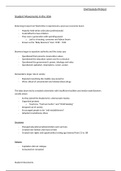
Student Movements in the USA
Returning troops from World War 2 experienced a post-war economic boom
- Majority held white collar jobs (professionals)
- Could afford to have children
- They were a generation with spending power
o Led to a housing, consumer and labour boom
- Known as the “Baby Boomers” born 1948 – 1964
Boomers began to question authority and the status quo
- Questioned their parents conservative values
- Questioned the education system and its curriculum
- Questioned the government’s power, ideology and value
- Questioned capitalism, imperialism, racism, sexism
Demanded a larger role in society
- Rejected everything the middle class stood for
- Were critical of consumerism and relaxed about drugs
The baby boom led to crowded universities with insufficient facilities and media made Boomers
socially aware
- So they joined the Students for a Democratic Society
- Organised protests
o Teach-ins, “Tantrum tactics” and “Child Stealing”
- Dropped out of society
- Encouraged people to be “anti-establishment”
- Adopted revolutionary ideas
Successes
- Changed educational administration and curricula
- Created new fashion and music trends
- Created new rights and opportunities (voting age lowered from 21 to 18)
Failures
- Capitalism did not collapse
- Consumerism remained
Student Movements
Student Movements in the USA
Returning troops from World War 2 experienced a post-war economic boom
- Majority held white collar jobs (professionals)
- Could afford to have children
- They were a generation with spending power
o Led to a housing, consumer and labour boom
- Known as the “Baby Boomers” born 1948 – 1964
Boomers began to question authority and the status quo
- Questioned their parents conservative values
- Questioned the education system and its curriculum
- Questioned the government’s power, ideology and value
- Questioned capitalism, imperialism, racism, sexism
Demanded a larger role in society
- Rejected everything the middle class stood for
- Were critical of consumerism and relaxed about drugs
The baby boom led to crowded universities with insufficient facilities and media made Boomers
socially aware
- So they joined the Students for a Democratic Society
- Organised protests
o Teach-ins, “Tantrum tactics” and “Child Stealing”
- Dropped out of society
- Encouraged people to be “anti-establishment”
- Adopted revolutionary ideas
Successes
- Changed educational administration and curricula
- Created new fashion and music trends
- Created new rights and opportunities (voting age lowered from 21 to 18)
Failures
- Capitalism did not collapse
- Consumerism remained
Student Movements