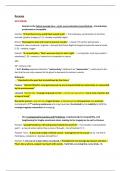
Essay Plans:
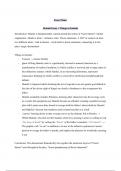
Default Essay + Things to Include
Introduction: Hamlet is fundamentally centred around the notion of *insert theme*, further
explanation. Allude to form + include a critic. Thesis statement. A LOT of context (at least
two different ideas + link to theme) - circle back to thesis statement, connecting it to the
play’s tragic denouement
Things to Include:
- Caesura → sinister finality
- ghost of King Hamlet (who is, significantly, dressed in armour) functions as a
manifestation of medieval tradition, in which conflict is resolved and revenge taken in
the militaristic manner, whilst Hamlet, in an interesting dichotomy, represents
renaissance thinking (in which conflict is resolved by intellectual and philosophical
debate).
- Hamlet’s religious beliefs declaring the act of regicide as an act against god (linked to
the idea of the divine right of kings) are clearly a hindrance to the avengement his
father
- Hamlet accidently murders Polonius, drawing other characters into the revenge cycle
as a result; this peripeteia sees Hamlet become an offender, creating a parallel revenge
plot with Laertes now duty-bound to avenge both his father’s direct death by Hamlet
and Ophelia’s descent into madness (and eventual suicide) as a result
- Laertes’ burning desire to take revenge serves as the ultimate foil to Hamlet. →
Whilst Hamlet, who fails to kill Claudius when he is praying, Laertes is willing to risk
“the sleep of death” by cutting the “throat” of his father’s murderer “i’th’church”. →
The graphic verb “to cut” in addition to its use in the infinitive epitomises Laertes’
passion to avenge his father’s murder, and implies the pleasure he would take carrying
it out
Conclusion: The denouement thematically ties together the numerous layers of *insert
theme* seen throughout the play: *insert paraphrasing of thesis statement*
Default Essay + Things to Include
Introduction: Hamlet is fundamentally centred around the notion of *insert theme*, further
explanation. Allude to form + include a critic. Thesis statement. A LOT of context (at least
two different ideas + link to theme) - circle back to thesis statement, connecting it to the
play’s tragic denouement
Things to Include:
- Caesura → sinister finality
- ghost of King Hamlet (who is, significantly, dressed in armour) functions as a
manifestation of medieval tradition, in which conflict is resolved and revenge taken in
the militaristic manner, whilst Hamlet, in an interesting dichotomy, represents
renaissance thinking (in which conflict is resolved by intellectual and philosophical
debate).
- Hamlet’s religious beliefs declaring the act of regicide as an act against god (linked to
the idea of the divine right of kings) are clearly a hindrance to the avengement his
father
- Hamlet accidently murders Polonius, drawing other characters into the revenge cycle
as a result; this peripeteia sees Hamlet become an offender, creating a parallel revenge
plot with Laertes now duty-bound to avenge both his father’s direct death by Hamlet
and Ophelia’s descent into madness (and eventual suicide) as a result
- Laertes’ burning desire to take revenge serves as the ultimate foil to Hamlet. →
Whilst Hamlet, who fails to kill Claudius when he is praying, Laertes is willing to risk
“the sleep of death” by cutting the “throat” of his father’s murderer “i’th’church”. →
The graphic verb “to cut” in addition to its use in the infinitive epitomises Laertes’
passion to avenge his father’s murder, and implies the pleasure he would take carrying
it out
Conclusion: The denouement thematically ties together the numerous layers of *insert
theme* seen throughout the play: *insert paraphrasing of thesis statement*