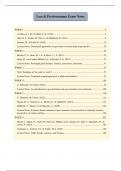
Loss & Psychotrauma Exam Notes
WEEK 1 ..................................................................................................................................... 2
Lit Harvey, J. H., & Miller, E. D. (1998). .......................................................................................... 2
Obst, K. L., Oxlad, M., Due, C., & Middleton, P. (2021). ................................................................. 6
Stroebe, M., & Schut, H. (2015). ...................................................................................................... 12
Lecture Notes: Theoretical approaches to grief from a socioecological perspective ....................... 16
WEEK 2 ................................................................................................................................... 24
Boelen, P. A., Hout, M. v. d., & Bout, J. v. d. (2013). ..................................................................... 24
Spuij, M., van Londen-Huiberts, A., & Boelen, P. A. (2013). ......................................................... 32
Lecture Notes: Prolonged grief disorder: Criteria, assessment, and theory...................................... 41
WEEK 3 ................................................................................................................................... 53
Note: Readings are the same as week 2 ............................................................................................ 53
Lecture Notes: Treatment of prolonged grief in adults and children ................................................ 53
WEEK 4 ................................................................................................................................... 66
U. Schnyder, M. Cloitre (2022). ....................................................................................................... 66
Lecture Notes: An introduction to psychotrauma and post-traumatic stress disorder .................... 100
WEEK 5 ................................................................................................................................. 116
U. Schnyder, M. Cloitre (2022). ..................................................................................................... 116
Bryant, R. A., Nickerson, A., Morina, N., & Liddell, B. (2023). ................................................... 131
Killikelly, C., Bauer, S., & Maercker, A. (2018)............................................................................ 142
Lecture Notes: Evidence-based treatment of post-traumatic stress disorder/ A culturally sensitive
perspective on trauma and loss ....................................................................................................... 146
WEEK 6 ................................................................................................................................. 162
Mogil, C., Hayal, N., Aralis, H., Paley, B., Milburn, N.G., Barrera, W., Kiff, C., Beardslee, W., &
Lester, P. (2022). ............................................................................................................................ 162
Yohannan, J., Carlson, J.S., & Volker, M.A. (2021). ..................................................................... 165
Lecture Notes: Child, Family, and Loss and Trauma ..................................................................... 168
,WEEK 1
Lit Harvey, J. H., & Miller, E. D. (1998).
Toward a psychology of loss. Psychological Science, 9(6), 429-434. LINK
Main Takeaway = This article argues why work with individuals experience of loss should
be a distinct field. The psychology of loss focuses on the perception of major loss deriving
from events such as death and divorce, but also on the perception of for example loss of
employment, loss of bodily functions, and being the target of violence or prejudice
including genocide. It is argued that perceived loss is a critical phenomenal state that must
be dealt with in adaptation to most significant stressors.
Definition Dilemma:
• Major loss definition = a reduction in resources, whether tangible or intangible, in
which persons have a significant emotional investment
• boundary conditions for major loss, they suggest:
a. A subjective indication by the individual that he or she has experienced
a major loss
b. An objective occurrence by knowledgeable others
o likely highly correlated
• The dilemma => the concept of “it depends”
o how objective are the outsiders?
o Maybe an individual’s perception of major loss is too idiosyncratic
, o a person may not perceive that he or she has experienced a major loss, but
observers view the situation as clearly involving major loss
• Definitional dilemmas are probably not particular to the study of loss
• The definition does not suggest that any event can be viewed as major loss
therefore “boundaries” are made (limited to events characterized by the
combination of subjective and objective markers or to the exceptions mentioned)
Research Problem for an Existing Field or a Distinct Field?
• They argued that people's experiences of loss should be a distinct field
• There are commonalities in diverse loss experiences
o For example they all cause a reduction in physical, psychological, or
symbolic resources
• Integrative research may uncover additional similarities across different types of
loss
• the concept of perceived loss is established in contemporary work in psychology
mainly by implication
o for example, researchers have provided evidence that negative life events
play a role in a number of psychiatric disorders, including depression,
schizophrenia, and anxiety disorders
Emphasizing People’s Construction of Meaning:
• Several influential theories in psychology emphasize people's search for meaning
• It is argued that search for meaning is ambiguous in work on coping and adjustment
to loss, contending that this concept varies across people and situations
, • Finding meaning usually is instrumental to find hope and feeling agency in coping
with loss
• the paper argues that it is essential to focus on the individual's perceived meaning
of events concerning psychology of loss
Contextualization of Loss Experiences:
• They proposed that people often conceive their losses in terms of accounts or
stories then contextualize the major events of their lives
• They hypothesized that People are prone to perceive that their personal losses, and
possibly the causes of these losses, are related.
o Although different loss events may occur at quite different points in time
the individuals involved may see them as related and relevant to their
identity
The Experience of a “Pileup” of Losses:
• An individual who faces multiple losses in a brief period often experiences multiple
bereavements that are unremitting over time
• Questions of justice or whether the losses are deserved or typical may play a critical
role
• Dealing with loss may lead to secondary losses
o for example loss of energy, resources, and morale & stigmatization
o Loss events may have a cascading effect over longer periods of time
o For example, the impacts of the Holocaust continue for 2nd and 3rd
generation of families whose loved ones were murdered
WEEK 1 ..................................................................................................................................... 2
Lit Harvey, J. H., & Miller, E. D. (1998). .......................................................................................... 2
Obst, K. L., Oxlad, M., Due, C., & Middleton, P. (2021). ................................................................. 6
Stroebe, M., & Schut, H. (2015). ...................................................................................................... 12
Lecture Notes: Theoretical approaches to grief from a socioecological perspective ....................... 16
WEEK 2 ................................................................................................................................... 24
Boelen, P. A., Hout, M. v. d., & Bout, J. v. d. (2013). ..................................................................... 24
Spuij, M., van Londen-Huiberts, A., & Boelen, P. A. (2013). ......................................................... 32
Lecture Notes: Prolonged grief disorder: Criteria, assessment, and theory...................................... 41
WEEK 3 ................................................................................................................................... 53
Note: Readings are the same as week 2 ............................................................................................ 53
Lecture Notes: Treatment of prolonged grief in adults and children ................................................ 53
WEEK 4 ................................................................................................................................... 66
U. Schnyder, M. Cloitre (2022). ....................................................................................................... 66
Lecture Notes: An introduction to psychotrauma and post-traumatic stress disorder .................... 100
WEEK 5 ................................................................................................................................. 116
U. Schnyder, M. Cloitre (2022). ..................................................................................................... 116
Bryant, R. A., Nickerson, A., Morina, N., & Liddell, B. (2023). ................................................... 131
Killikelly, C., Bauer, S., & Maercker, A. (2018)............................................................................ 142
Lecture Notes: Evidence-based treatment of post-traumatic stress disorder/ A culturally sensitive
perspective on trauma and loss ....................................................................................................... 146
WEEK 6 ................................................................................................................................. 162
Mogil, C., Hayal, N., Aralis, H., Paley, B., Milburn, N.G., Barrera, W., Kiff, C., Beardslee, W., &
Lester, P. (2022). ............................................................................................................................ 162
Yohannan, J., Carlson, J.S., & Volker, M.A. (2021). ..................................................................... 165
Lecture Notes: Child, Family, and Loss and Trauma ..................................................................... 168
,WEEK 1
Lit Harvey, J. H., & Miller, E. D. (1998).
Toward a psychology of loss. Psychological Science, 9(6), 429-434. LINK
Main Takeaway = This article argues why work with individuals experience of loss should
be a distinct field. The psychology of loss focuses on the perception of major loss deriving
from events such as death and divorce, but also on the perception of for example loss of
employment, loss of bodily functions, and being the target of violence or prejudice
including genocide. It is argued that perceived loss is a critical phenomenal state that must
be dealt with in adaptation to most significant stressors.
Definition Dilemma:
• Major loss definition = a reduction in resources, whether tangible or intangible, in
which persons have a significant emotional investment
• boundary conditions for major loss, they suggest:
a. A subjective indication by the individual that he or she has experienced
a major loss
b. An objective occurrence by knowledgeable others
o likely highly correlated
• The dilemma => the concept of “it depends”
o how objective are the outsiders?
o Maybe an individual’s perception of major loss is too idiosyncratic
, o a person may not perceive that he or she has experienced a major loss, but
observers view the situation as clearly involving major loss
• Definitional dilemmas are probably not particular to the study of loss
• The definition does not suggest that any event can be viewed as major loss
therefore “boundaries” are made (limited to events characterized by the
combination of subjective and objective markers or to the exceptions mentioned)
Research Problem for an Existing Field or a Distinct Field?
• They argued that people's experiences of loss should be a distinct field
• There are commonalities in diverse loss experiences
o For example they all cause a reduction in physical, psychological, or
symbolic resources
• Integrative research may uncover additional similarities across different types of
loss
• the concept of perceived loss is established in contemporary work in psychology
mainly by implication
o for example, researchers have provided evidence that negative life events
play a role in a number of psychiatric disorders, including depression,
schizophrenia, and anxiety disorders
Emphasizing People’s Construction of Meaning:
• Several influential theories in psychology emphasize people's search for meaning
• It is argued that search for meaning is ambiguous in work on coping and adjustment
to loss, contending that this concept varies across people and situations
, • Finding meaning usually is instrumental to find hope and feeling agency in coping
with loss
• the paper argues that it is essential to focus on the individual's perceived meaning
of events concerning psychology of loss
Contextualization of Loss Experiences:
• They proposed that people often conceive their losses in terms of accounts or
stories then contextualize the major events of their lives
• They hypothesized that People are prone to perceive that their personal losses, and
possibly the causes of these losses, are related.
o Although different loss events may occur at quite different points in time
the individuals involved may see them as related and relevant to their
identity
The Experience of a “Pileup” of Losses:
• An individual who faces multiple losses in a brief period often experiences multiple
bereavements that are unremitting over time
• Questions of justice or whether the losses are deserved or typical may play a critical
role
• Dealing with loss may lead to secondary losses
o for example loss of energy, resources, and morale & stigmatization
o Loss events may have a cascading effect over longer periods of time
o For example, the impacts of the Holocaust continue for 2nd and 3rd
generation of families whose loved ones were murdered