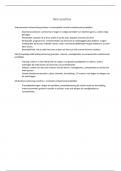
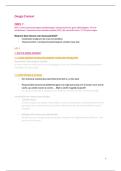
Individually specific language
affected by where a person lives/
has lived, social class, education
Idiolect
etc.
The study of the relationship between language use
and social factors.
Divisions in society based on socio-economics. Social class
Language conveys identity.
Sociolinguistics
Peers, associates (equals.) Contemporaries The linguistic choices we make/
linguistics we use, are affected by
the social groups we belong to.
A language variety that marks speakers
as members of ethnic groups who
originally used another language or
Ethnolect A group of people who share common characteristics,
interact with each other, and share a sense of
distinctive variety. e.g. AAVE. Social groups community. Groupings can be based on age, ethnicity,
class, gender, interests and hobbies, and occupation.
A set of invented words or phrases
with meanings understood within Additional 'lects'
members of a family or other small
Familect
Variety of language people speak
intimate group
Language and Social class Dialect
in a geographical region. Also
known as regional dialect; e.g. UK:
Scouse, Cockney, Brummie etc.
Differences in communication
styles between women and men. Genderlect
Each variety creates specific
Variety registers, styles and sociolects.
Language spoken by ordinary
people in specific regions, e.g.
AAVE (African American Vernacular
Vernacular English
English.) Style of language within a
Sociolect particular social group.
Language creates belonging or
division. Recieved pronunciation (Royal
Family.)
RP/Queen's English= high class. Standard English
Widely accepted; standardised
Language divisions grammar rules- taught in school.
Cockney= working class.
We can exaggerate/play down
accentsaccording to how we want
to be percieved.
affected by where a person lives/
has lived, social class, education
Idiolect
etc.
The study of the relationship between language use
and social factors.
Divisions in society based on socio-economics. Social class
Language conveys identity.
Sociolinguistics
Peers, associates (equals.) Contemporaries The linguistic choices we make/
linguistics we use, are affected by
the social groups we belong to.
A language variety that marks speakers
as members of ethnic groups who
originally used another language or
Ethnolect A group of people who share common characteristics,
interact with each other, and share a sense of
distinctive variety. e.g. AAVE. Social groups community. Groupings can be based on age, ethnicity,
class, gender, interests and hobbies, and occupation.
A set of invented words or phrases
with meanings understood within Additional 'lects'
members of a family or other small
Familect
Variety of language people speak
intimate group
Language and Social class Dialect
in a geographical region. Also
known as regional dialect; e.g. UK:
Scouse, Cockney, Brummie etc.
Differences in communication
styles between women and men. Genderlect
Each variety creates specific
Variety registers, styles and sociolects.
Language spoken by ordinary
people in specific regions, e.g.
AAVE (African American Vernacular
Vernacular English
English.) Style of language within a
Sociolect particular social group.
Language creates belonging or
division. Recieved pronunciation (Royal
Family.)
RP/Queen's English= high class. Standard English
Widely accepted; standardised
Language divisions grammar rules- taught in school.
Cockney= working class.
We can exaggerate/play down
accentsaccording to how we want
to be percieved.