CHAPTER P
Prerequisites
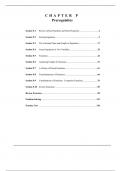
Section P.1 Review of Real Numbers and Their Properties..................................... 2
Section P.2 Solving Equations...................................................................................5
Section P.3 The Cartesian Plane and Graphs of Equations ....................................17
Section P.4 Linear Equations in Two Variables .....................................................29
Section P.5 Functions ...............................................................................................42
Section P.6 Analyzing Graphs of Functions ...........................................................51
Section P.7 A Library of Parent Functions .............................................................61
Section P.8 Transformations of Functions ..............................................................66
Section P.9 Combinations of Functions: Composite Functions ............................ 76
Section P.10 Inverse Functions..................................................................................85
Review Exercises ..........................................................................................................98
Problem Solving .........................................................................................................112
Practice Test .............................................................................................................118
,C H A P T E R P
Prerequisites
Section P.1 Review of Real Numbers and Their Properties
1. irrational 11. (a) x
−2 −1 0 1 2 3 4
2. origin (b) 7
2
x
3. absolute value −1 0 1 2 3 4 5
(c) −
5
2
4. composite x
−5 −4 −3 −2 −1 0 1
5. terms
(d) −5.2
x
6. Zero-Factor Property −7 −6 −5 −4 −3 −2 −1
7. −9, − 72 , 5, 32 , 2, 0, 1, − 4, 2, −11 12. (a) 8.5
x
6 7 8 9 10 11 12
(a) Natural numbers: 5, 1, 2
(b) Whole numbers: 0, 5, 1, 2 (b) 4
3
x
(c) Integers: −9, 5, 0, 1, − 4, 2, −11 −1 0 1 2 3 4 5
(d) Rational numbers: −9, − 72 , 5, 32 , 0, 1, − 4, 2, −11 (c) −4.75
x
−7 −6 −5 −4 −3 −2 −1
(e) Irrational numbers: 2
(d) −8
8. 5, − 7, − 73 , 0, 3.14, 54 , − 3, 12, 5 3
x
−5 −4 −3 −2 −1 0 1
(a) Natural numbers: 12, 5
(b) Whole numbers: 0, 12, 5 13. −4 > −8
x
(c) Integers: −7, 0, − 3, 12, 5 −8 −7 −6 −5 −4
(d) Rational numbers: −7, − 73 , 0, 3.14, 54 , − 3, 12, 5
14. 1 < 16
3
(e) Irrational numbers: 5 16
3
x
0 1 2 3 4 5 6
9. 2.01, 0.6, −13, 0.010110111 . . ., 1, − 6
(a) Natural numbers: 1 15. 5
6
> 2
3
(b) Whole numbers: 1 2 5
3 6
x
(c) Integers: −13, 1, − 6 0 1
(d) Rational numbers: 2.01, 0.6, −13, 1, − 6 16. − 87 < − 73
(e) Irrational numbers: 0.010110111 . . . − 87 − 37
x
−2 −1 0
1π ,
10. 25, −17, − 12
5
, 9, 3.12, 2
7, −11.1, 13
17. (a) The inequality x ≤ 5 denotes the set of all real
(a) Natural numbers: 25, 9, 7, 13 numbers less than or equal to 5.
(b) Whole numbers: 25, 9, 7, 13
(b) x
(c) Integers: 25, −17, 9, 7, 13 0 1 2 3 4 5 6
(d) Rational numbers: (c) The interval is unbounded.
25, −17, − 12
5
, 9, 3.12, 7, −11.1, 13
(e) Irrational numbers: 12π
2
, Section P.1 Review of Real Numbers and Their Properties 3
18. (a) The inequality x < 0 denotes the set of all real 30. 0 = 0
numbers less than zero.
(b) x 31. 3 − 8 = −5 = −( −5) = 5
−2 −1 0 1 2
(c) The interval is unbounded. 32. 6 − 2 = 4 = 4
19. (a) The inequality −2 < x < 2 denotes the set of all 33. −1 − −2 = 1 − 2 = −1
real numbers greater than −2 and less than 2.
(b) x 34. −3 − −3 = −3 − (3) = −6
−2 −1 0 1 2
(c) The interval is bounded. 35. 5 − 5 = 5(5) = 25
20. (a) The inequality 0 < x ≤ 6 denotes the set of all real 36. − 4 − 4 = − 4( 4) = −16
numbers greater than zero and less than or equal to 6.
(b) x 37. If x < −2, then x + 2 is negative.
0 1 2 3 4 5 6
x + 2 −( x + 2)
(c) The interval is bounded. So, = = −1.
x + 2 x + 2
21. (a) The interval [4, ∞ ) denotes the set of all real
38. If x > 1, then x − 1 is positive.
numbers greater than or equal to 4.
x −1 x −1
(b) x So, = = 1.
1 2 3 4 5 6 7 x −1 x −1
(c) The interval is unbounded. 39. −4 = 4 because −4 = 4 and 4 = 4.
22. (a) (−∞, 2) denotes the set of all real numbers less
40. −5 = − 5 because −5 = −5.
than 2.
(b) x
41. − −6 < −6 because −6 = 6 and
0 1 2 3 4
− −6 = −(6) = −6.
(c) The interval is unbounded.
23. (a) The interval [−5, 2) denotes the set of all real 42. − −2 = − 2 because −2 = −2.
numbers greater than or equal to − 5 and less than 2.
43. d (126, 75) = 75 − 126 = 51
(b) x
−5 −3 −1 1 3
44. d ( − 20, 30) = 30 − ( − 20) = 50 = 50
(c) The interval is bounded.
24. (a) The interval ( −1, 2] denotes the set of all real ( )
45. d − 52 , 0 = 0 − − 52 ( ) = 5
2
numbers greater than −1 and less than or equal to 2.
(b)
−2 −1 0 1 2
x (
46. d − 14 , − 11
4 )
= − 11
4
− − 14 ( ) = − 52 = 5
2
(c) The interval is bounded. 47. d ( x, 5) = x − 5 and d ( x, 5) ≤ 3, so x − 5 ≤ 3.
25. y ≥ 0; [0, ∞ ) 48. d ( x, −10) = x + 10 , and d ( x, −10) ≥ 6, so
x + 10 ≥ 6.
26. y ≤ 25; ( −∞ , 25]
27. 10 ≤ t ≤ 22; [10, 22]
28. −3 ≤ k < 5; [−3, 5)
29. −10 = −( −10) = 10
Prerequisites
Section P.1 Review of Real Numbers and Their Properties..................................... 2
Section P.2 Solving Equations...................................................................................5
Section P.3 The Cartesian Plane and Graphs of Equations ....................................17
Section P.4 Linear Equations in Two Variables .....................................................29
Section P.5 Functions ...............................................................................................42
Section P.6 Analyzing Graphs of Functions ...........................................................51
Section P.7 A Library of Parent Functions .............................................................61
Section P.8 Transformations of Functions ..............................................................66
Section P.9 Combinations of Functions: Composite Functions ............................ 76
Section P.10 Inverse Functions..................................................................................85
Review Exercises ..........................................................................................................98
Problem Solving .........................................................................................................112
Practice Test .............................................................................................................118
,C H A P T E R P
Prerequisites
Section P.1 Review of Real Numbers and Their Properties
1. irrational 11. (a) x
−2 −1 0 1 2 3 4
2. origin (b) 7
2
x
3. absolute value −1 0 1 2 3 4 5
(c) −
5
2
4. composite x
−5 −4 −3 −2 −1 0 1
5. terms
(d) −5.2
x
6. Zero-Factor Property −7 −6 −5 −4 −3 −2 −1
7. −9, − 72 , 5, 32 , 2, 0, 1, − 4, 2, −11 12. (a) 8.5
x
6 7 8 9 10 11 12
(a) Natural numbers: 5, 1, 2
(b) Whole numbers: 0, 5, 1, 2 (b) 4
3
x
(c) Integers: −9, 5, 0, 1, − 4, 2, −11 −1 0 1 2 3 4 5
(d) Rational numbers: −9, − 72 , 5, 32 , 0, 1, − 4, 2, −11 (c) −4.75
x
−7 −6 −5 −4 −3 −2 −1
(e) Irrational numbers: 2
(d) −8
8. 5, − 7, − 73 , 0, 3.14, 54 , − 3, 12, 5 3
x
−5 −4 −3 −2 −1 0 1
(a) Natural numbers: 12, 5
(b) Whole numbers: 0, 12, 5 13. −4 > −8
x
(c) Integers: −7, 0, − 3, 12, 5 −8 −7 −6 −5 −4
(d) Rational numbers: −7, − 73 , 0, 3.14, 54 , − 3, 12, 5
14. 1 < 16
3
(e) Irrational numbers: 5 16
3
x
0 1 2 3 4 5 6
9. 2.01, 0.6, −13, 0.010110111 . . ., 1, − 6
(a) Natural numbers: 1 15. 5
6
> 2
3
(b) Whole numbers: 1 2 5
3 6
x
(c) Integers: −13, 1, − 6 0 1
(d) Rational numbers: 2.01, 0.6, −13, 1, − 6 16. − 87 < − 73
(e) Irrational numbers: 0.010110111 . . . − 87 − 37
x
−2 −1 0
1π ,
10. 25, −17, − 12
5
, 9, 3.12, 2
7, −11.1, 13
17. (a) The inequality x ≤ 5 denotes the set of all real
(a) Natural numbers: 25, 9, 7, 13 numbers less than or equal to 5.
(b) Whole numbers: 25, 9, 7, 13
(b) x
(c) Integers: 25, −17, 9, 7, 13 0 1 2 3 4 5 6
(d) Rational numbers: (c) The interval is unbounded.
25, −17, − 12
5
, 9, 3.12, 7, −11.1, 13
(e) Irrational numbers: 12π
2
, Section P.1 Review of Real Numbers and Their Properties 3
18. (a) The inequality x < 0 denotes the set of all real 30. 0 = 0
numbers less than zero.
(b) x 31. 3 − 8 = −5 = −( −5) = 5
−2 −1 0 1 2
(c) The interval is unbounded. 32. 6 − 2 = 4 = 4
19. (a) The inequality −2 < x < 2 denotes the set of all 33. −1 − −2 = 1 − 2 = −1
real numbers greater than −2 and less than 2.
(b) x 34. −3 − −3 = −3 − (3) = −6
−2 −1 0 1 2
(c) The interval is bounded. 35. 5 − 5 = 5(5) = 25
20. (a) The inequality 0 < x ≤ 6 denotes the set of all real 36. − 4 − 4 = − 4( 4) = −16
numbers greater than zero and less than or equal to 6.
(b) x 37. If x < −2, then x + 2 is negative.
0 1 2 3 4 5 6
x + 2 −( x + 2)
(c) The interval is bounded. So, = = −1.
x + 2 x + 2
21. (a) The interval [4, ∞ ) denotes the set of all real
38. If x > 1, then x − 1 is positive.
numbers greater than or equal to 4.
x −1 x −1
(b) x So, = = 1.
1 2 3 4 5 6 7 x −1 x −1
(c) The interval is unbounded. 39. −4 = 4 because −4 = 4 and 4 = 4.
22. (a) (−∞, 2) denotes the set of all real numbers less
40. −5 = − 5 because −5 = −5.
than 2.
(b) x
41. − −6 < −6 because −6 = 6 and
0 1 2 3 4
− −6 = −(6) = −6.
(c) The interval is unbounded.
23. (a) The interval [−5, 2) denotes the set of all real 42. − −2 = − 2 because −2 = −2.
numbers greater than or equal to − 5 and less than 2.
43. d (126, 75) = 75 − 126 = 51
(b) x
−5 −3 −1 1 3
44. d ( − 20, 30) = 30 − ( − 20) = 50 = 50
(c) The interval is bounded.
24. (a) The interval ( −1, 2] denotes the set of all real ( )
45. d − 52 , 0 = 0 − − 52 ( ) = 5
2
numbers greater than −1 and less than or equal to 2.
(b)
−2 −1 0 1 2
x (
46. d − 14 , − 11
4 )
= − 11
4
− − 14 ( ) = − 52 = 5
2
(c) The interval is bounded. 47. d ( x, 5) = x − 5 and d ( x, 5) ≤ 3, so x − 5 ≤ 3.
25. y ≥ 0; [0, ∞ ) 48. d ( x, −10) = x + 10 , and d ( x, −10) ≥ 6, so
x + 10 ≥ 6.
26. y ≤ 25; ( −∞ , 25]
27. 10 ≤ t ≤ 22; [10, 22]
28. −3 ≤ k < 5; [−3, 5)
29. −10 = −( −10) = 10