Food Ingredient Functionality
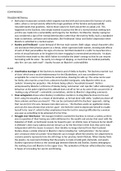
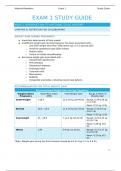
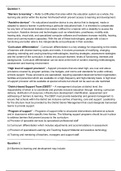
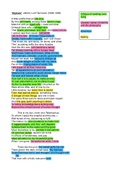
1 Proteins – Reader ............................................................................................................................ 3
1.1 Introduction to protein ingredients .................................................................................... 3
1.2 Variation in protein in ingredients ...................................................................................... 3
1.3 Interactions between proteins............................................................................................ 5
1.4 Solubility of proteins ........................................................................................................... 6
1.5 Sources, isolation and molecular properties of protein ingredients .................................. 8
1.6 Protein modification: hydrolysis, heating and spray-drying ............................................. 12
1.7 Introducing foam and emulsion properties ...................................................................... 15
1.8 Foam properties ................................................................................................................ 16
1.9 Emulsion properties .......................................................................................................... 19
1.10 Viscosity, thickeners and gels ........................................................................................... 20
1.11 Analytical techniques ........................................................................................................ 23
2 Proteins – Lecture ......................................................................................................................... 26
2.1 Variations in functionality ................................................................................................. 26
2.2 Source and isolation .......................................................................................................... 27
2.3 Modification: hydrolysis.................................................................................................... 30
2.4 Effect of heating ................................................................................................................ 32
2.5 Techno-functional properties ........................................................................................... 34
3 Polysaccharides – Reader.............................................................................................................. 36
3.0 Introduction to polysaccharides ....................................................................................... 36
3.1 Physicochemical properties of polysaccharides ............................................................... 37
3.2 Analytical techniques ........................................................................................................ 39
3.3 Pectin ................................................................................................................................ 40
3.4 Alginate ............................................................................................................................. 44
3.5 Carrageenan ...................................................................................................................... 45
3.6 Galactomannans ............................................................................................................... 48
3.7 Starch ................................................................................................................................ 50
3.8 Xanthan gum ..................................................................................................................... 53
3.9 Gum Arabic........................................................................................................................ 55
3.10 Cellulose ............................................................................................................................ 56
3.11 Selection of polysaccharides ............................................................................................. 57
4 Polysaccharides – Lecture ............................................................................................................. 59
4.1 Functionalities of polysaccharides .................................................................................... 59
, 4.2 Polysaccharide properties ................................................................................................. 59
4.3 Sources of polysaccharides ............................................................................................... 61
4.4 Polysaccharide production................................................................................................ 62
4.5 Variation in functionality .................................................................................................. 62
5 Physical Aspects – Reader ............................................................................................................. 64
5.1 Bulk rheology .................................................................................................................... 64
5.2 Interactions in food ........................................................................................................... 68
5.3 Gel ..................................................................................................................................... 73
5.4 Emulsions .......................................................................................................................... 80
5.5 Foams ................................................................................................................................ 87
6 Physical Aspects – Lecture ............................................................................................................ 91
6.1 Viscosity ............................................................................................................................ 91
6.2 Gels.................................................................................................................................... 93
6.3 Emulsions .......................................................................................................................... 94
6.4 Foams ................................................................................................................................ 97
6.5 Conclusions ....................................................................................................................... 98
2
,1 Proteins – Reader
1.1 Introduction to protein ingredients
1.1.1 Sources of protein ingredients and their technological functionality
Technological function
- Nutritional value -> based on the
(essential) amino acids present in
the primary structure of the protein
- Physiological value -> bio-activity
(e.g. reduction of blood pressure)
- Physical value -> technological
functionality, role of proteins to
form and stabilize certain structures
Native proteins do not give a significant increase in viscosity -> only large protein aggregates can
lead to viscosity effects
1.1.2 Drivers to study protein ingredient functionality
Study protein ingredient functionality
- Variability between different variants and between different batches of the same ingredient
- Increase flexibility in applications of the ingredient
1.2 Variation in protein in ingredients
1.2.1 Sources of variation in protein ingredients
Functional properties:
- Bio-functional (nutritional)
- Techno-functional
Raw material:
- Source -> types of protein
- For one type of product, composition
varies (e.g. cow’s vs. goat’s milk)
Isolation procedure:
- Isolation conditions -> determine the protein content, protein composition, and non-protein
composition
- Non-protein compounds -> lipids, carbohydrates, and phenolic compounds
3
, - Protein content (purity) -> ratio between the amount of protein and all other, non-protein,
compounds in the isolate/concentrate
- Protein composition -> which types of proteins are present
Modification:
- Modification -> physical, chemical or enzymatic reactions that can take place either by
accident, due to over-processing, or can be induced on purpose to obtain a desired
functionality
- Modification step -> enzymatic hydrolysis, Maillard reaction (flavor)
Drying/heating (pasteurization):
- Spray/drum drying -> from solution to powder
- Heat treatment -> pasteurization/sterilization and stop or inhibit microbial and enzyme
activity (final product)
- Risk -> proteins can unfold (denature) and aggregate, or even undergo chemical reactions
(e.g. Maillard reactions)
Powder properties:
- Powder properties -> set of properties of the powder particles such as the size, shape, pore
size/structure and wettability
- Pore size/structure and wettability of the powder will determine the extent to which the
particles will dissolve when mixed with water
- Non-dissolved powder particles -> largely determine functionality
Often there is no clear link between (one) obvious compositional (molecular) parameter and
functionality -> e.g. denaturation and viscosity
Production steps lead to:
1. There can be a large variation in functionality within a set of similar protein ingredients (e.g.
different whey protein ingredients)
2. Because of (1) the difference in functionality between proteins from different sources (e.g.
whey, soy) can be similar or smaller than the range of variation within a set of samples from
each source separately -> two batches from two different protein sources can have more
similar functionality than two batches from the same protein source
- The large variation in functionality within a set of similar
protein ingredients is typical for proteins -> result of
differences in sources, isolation methods, modifications
and processing
- For polysaccharides this is much less extreme
- Often the differences in functionality between different
alginate ingredients is much smaller than the difference
between alginates and celluloses
4
1 Proteins – Reader ............................................................................................................................ 3
1.1 Introduction to protein ingredients .................................................................................... 3
1.2 Variation in protein in ingredients ...................................................................................... 3
1.3 Interactions between proteins............................................................................................ 5
1.4 Solubility of proteins ........................................................................................................... 6
1.5 Sources, isolation and molecular properties of protein ingredients .................................. 8
1.6 Protein modification: hydrolysis, heating and spray-drying ............................................. 12
1.7 Introducing foam and emulsion properties ...................................................................... 15
1.8 Foam properties ................................................................................................................ 16
1.9 Emulsion properties .......................................................................................................... 19
1.10 Viscosity, thickeners and gels ........................................................................................... 20
1.11 Analytical techniques ........................................................................................................ 23
2 Proteins – Lecture ......................................................................................................................... 26
2.1 Variations in functionality ................................................................................................. 26
2.2 Source and isolation .......................................................................................................... 27
2.3 Modification: hydrolysis.................................................................................................... 30
2.4 Effect of heating ................................................................................................................ 32
2.5 Techno-functional properties ........................................................................................... 34
3 Polysaccharides – Reader.............................................................................................................. 36
3.0 Introduction to polysaccharides ....................................................................................... 36
3.1 Physicochemical properties of polysaccharides ............................................................... 37
3.2 Analytical techniques ........................................................................................................ 39
3.3 Pectin ................................................................................................................................ 40
3.4 Alginate ............................................................................................................................. 44
3.5 Carrageenan ...................................................................................................................... 45
3.6 Galactomannans ............................................................................................................... 48
3.7 Starch ................................................................................................................................ 50
3.8 Xanthan gum ..................................................................................................................... 53
3.9 Gum Arabic........................................................................................................................ 55
3.10 Cellulose ............................................................................................................................ 56
3.11 Selection of polysaccharides ............................................................................................. 57
4 Polysaccharides – Lecture ............................................................................................................. 59
4.1 Functionalities of polysaccharides .................................................................................... 59
, 4.2 Polysaccharide properties ................................................................................................. 59
4.3 Sources of polysaccharides ............................................................................................... 61
4.4 Polysaccharide production................................................................................................ 62
4.5 Variation in functionality .................................................................................................. 62
5 Physical Aspects – Reader ............................................................................................................. 64
5.1 Bulk rheology .................................................................................................................... 64
5.2 Interactions in food ........................................................................................................... 68
5.3 Gel ..................................................................................................................................... 73
5.4 Emulsions .......................................................................................................................... 80
5.5 Foams ................................................................................................................................ 87
6 Physical Aspects – Lecture ............................................................................................................ 91
6.1 Viscosity ............................................................................................................................ 91
6.2 Gels.................................................................................................................................... 93
6.3 Emulsions .......................................................................................................................... 94
6.4 Foams ................................................................................................................................ 97
6.5 Conclusions ....................................................................................................................... 98
2
,1 Proteins – Reader
1.1 Introduction to protein ingredients
1.1.1 Sources of protein ingredients and their technological functionality
Technological function
- Nutritional value -> based on the
(essential) amino acids present in
the primary structure of the protein
- Physiological value -> bio-activity
(e.g. reduction of blood pressure)
- Physical value -> technological
functionality, role of proteins to
form and stabilize certain structures
Native proteins do not give a significant increase in viscosity -> only large protein aggregates can
lead to viscosity effects
1.1.2 Drivers to study protein ingredient functionality
Study protein ingredient functionality
- Variability between different variants and between different batches of the same ingredient
- Increase flexibility in applications of the ingredient
1.2 Variation in protein in ingredients
1.2.1 Sources of variation in protein ingredients
Functional properties:
- Bio-functional (nutritional)
- Techno-functional
Raw material:
- Source -> types of protein
- For one type of product, composition
varies (e.g. cow’s vs. goat’s milk)
Isolation procedure:
- Isolation conditions -> determine the protein content, protein composition, and non-protein
composition
- Non-protein compounds -> lipids, carbohydrates, and phenolic compounds
3
, - Protein content (purity) -> ratio between the amount of protein and all other, non-protein,
compounds in the isolate/concentrate
- Protein composition -> which types of proteins are present
Modification:
- Modification -> physical, chemical or enzymatic reactions that can take place either by
accident, due to over-processing, or can be induced on purpose to obtain a desired
functionality
- Modification step -> enzymatic hydrolysis, Maillard reaction (flavor)
Drying/heating (pasteurization):
- Spray/drum drying -> from solution to powder
- Heat treatment -> pasteurization/sterilization and stop or inhibit microbial and enzyme
activity (final product)
- Risk -> proteins can unfold (denature) and aggregate, or even undergo chemical reactions
(e.g. Maillard reactions)
Powder properties:
- Powder properties -> set of properties of the powder particles such as the size, shape, pore
size/structure and wettability
- Pore size/structure and wettability of the powder will determine the extent to which the
particles will dissolve when mixed with water
- Non-dissolved powder particles -> largely determine functionality
Often there is no clear link between (one) obvious compositional (molecular) parameter and
functionality -> e.g. denaturation and viscosity
Production steps lead to:
1. There can be a large variation in functionality within a set of similar protein ingredients (e.g.
different whey protein ingredients)
2. Because of (1) the difference in functionality between proteins from different sources (e.g.
whey, soy) can be similar or smaller than the range of variation within a set of samples from
each source separately -> two batches from two different protein sources can have more
similar functionality than two batches from the same protein source
- The large variation in functionality within a set of similar
protein ingredients is typical for proteins -> result of
differences in sources, isolation methods, modifications
and processing
- For polysaccharides this is much less extreme
- Often the differences in functionality between different
alginate ingredients is much smaller than the difference
between alginates and celluloses
4