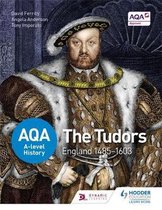
Henry VII
Establishing the Tudor dynasty
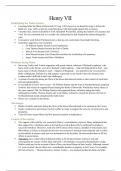
Coronated after the Battle of Bosworth (22 Aug. 1485), however, he dated his reign to before the
Battle (21 Aug. 1485) so that he could label those who had fought against him as traitors.
4 months later, marries Elizabeth of York (Elizabeth Woodville), uniting the families of Lancaster and
York. He was coronated first so it couldn’t be claimed that he had obtained the throne through his
wife.
Coronated a week before Parliament met so that no-one could claim it had made him King.
Immediate supporters were rewarded:
o Sir William Stanley became Lord Chamberlain.
o Lord Thomas Stanley became the Earl of Derby.
o John de Vere became Earl of Oxford.
o John Morton became Lord Chancellor and later the Archbishop of Canterbury.
o Jasper Tudor became the Duke of Bedford.
Problems facing Henry
Surviving Yorkist and Yorkist supporters still posed a threat: unknown if Richard’s nephews, who
had a claim to the throne, were alive; Richard’s other nephews – John and Edmund de la Pole – also
had a claim to throne; Richard’s sister – Margret of Burgundy – was married to the very powerful
Duke of Burgundy; Richard was still popular, ecspecially in the North (where the distance from
London made it difficult to deal with challenges).
A period of weak rule during the Wars of the Roses had allowed nobles to take control of local land
and rule independently.
It was difficult to know who to trust – Sir William Stanley and the Earl of Northumberland, supposed
Yorkists, had refused to support Richard during the Battle of Bosworth. Would they betray Henry in
the same manner? NB. Sir William Stanley had supported Henry militarily during the battle
(although his brother, Thomas Stanley aka Lord Stanley refused to commit his forces); the Earl of
Northumberland simply abandoned the battle field.
Henry was a usurper on the throne.
Advantages
Deaths of nobles and heirs during the Wars of the Roses allowed lands to be returned to the Crown.
Gentry, landowners and farmers tired of conflict to ready to support the recovery of royal power and
prosperity.
Years in France meant Henry had few personal enemies in hight places.
Control of the nobility
The support of the nobility was essential to Henry’s consolidation of power: Henry understood that
their support for a rebellion could, as he had discovered at Bosworth, be sufficient to produce a
successful rebellion. Moreover, with only 200 Yeomen of the Guard, a handful of mercenaries and
800 soldiers at Calais, he himself did not have the resource to maintain royal authority and so relied
on the nobility to ensure royal writ was maintained in the localities. He also needed them to fill key
offices in government.
Attainders: Laws which allowed disloyal nobles to be declared traitors without a trial and
consequently the seizure of their titles and lands. 138 attainders were passed during Henry’s reign.
Nobles could pay for the reversal of these if they convinced Henry of their loyalty. Although, around
1/3 were reversed, the net effect was a considerable transfer or property to the Crown. For example,
the Earl of Surrey – Thomas Howard, a former Yorkist – was attained and had his lands and titles
, seized in 1489. Only after having suppressed the Yorkshire Rebellion and participating against the
1513 battle against the Scots did he regain all his lands and title.
Fiscal Feudalism: Nobles were held under ‘bonds and recognisances’ (an agreement to pay a sum of
money upon failure to carry out a promise) which placed them in debt to the Crown. This meant
Henry could ensure the support of those he didn’t trust and earn money from those who were
disobedient. During the latter half of Henry’s reign following the death of his son, Arthur and wife,
the use of bonds and recognisances increases significantly. By the end of his reign, 2/3 of nobles were
held under bonds, even those who were devote to the King, such as the Earl of Shrewsbury who was
required to give bonds of £500.
Retaining: Nobles paid groups of men (with maintenance and livery) as their personal staff. They
often acted as law enforces, giving the nobility a degree of independence from the Crown. Laws
against retaining were passed in 1485 and 1504, under which a penalty of £5/month per illegal
retainer was enforced. This proved to be a lucrative source of income: in 1506, Lord Burgavenny was
fined £70,550, which was then increased to £100,000 when Henry forced him to give recognisances
(seems harsh, however, should note that Burgavenny’s loyalty had wavered during the 1497 Cornish
Rebellion and thus he was al liability).
o NB. Henry did not completly wipe out retaining, as in the absence of a police force or
standing army, Henry relied upon the nobility to maintain local law and order. Nobles had to
obtain licenses to retain.
Patronage: The monarch granted land/positions at court to retain support. This decreased under Henry,
who was concerned that creating powerful nobles could become a potential threat and wanted to retain
lands and estates, which were lucrative sources of income. Consequently, the number of nobles fell by
¼ of the course of his reign. Instead, Henry relied upon men of lower status, who were dependent on
his patronage, as royal agents in local communities (for example, Edmund Dudley, a Sussex loyal
became one of Henry’s most trusted advisors). In place of patronage, Henry often the prestigious
honour of Order of the Garter, which had no lands or titles attached.
Marriage: Nobles had to gain the King’s permission in order to marry and fines were enforced for
marrying without the King’s permission. Catherine Woodville was fined £2,000 for example. This
prevented the formation of power blocs between noble families.
Disinheritance: In 1498, Henry agreed to advance the Earl of Nottingham to marquess, if he
disinherited his brother. Therefore, the earldom went extinct upon Nottingham’s death – this not only
gave Henry eventual control over one of the richest baronies in the country but also removed the
threat of a potential overmighty noble family.
Treated everyone alike: For example, although he was Henry’s chief supporter, the Earl of Oxford
was fined £10,000 for illegal retaining.
Out of the 62 peerage families, 47 were held under Acts of attainder or bonds and recognisances.
Some of Henry’s actions against the nobility did have negative consquences.
o The decrease in granting patronage led to resentment. Leading Southern and Western gentry
were excluded from peerage despite their support and 6 counties were left under the control of
3 nobles. This pushed several to join the Cornish Rebellion, or if they did not take up arms,
they didn’t do anything to impeded the rebel advance to London. This demonstrated the
danger of allowing power to be monopolised by a handful of peers.
o A lack of dominant nobles created instability. Warwickshire/North Midlands lacked a
dominant figure, instead authority was distributed amongst lesser nobles. When Sir Henry
Willoughby attacked his neighbour Lord Grey of Codnor’s land in 1488, there was no-one to
impose a peace settlement. This demonstrated the importance of having dominant nobles in
regional government.
o Although he was made Lord Chamberlain, Sir William Stanley was not given a peerage. This
created resentment and arguably pushed him to support Warbeck, which led to his execution
in 1495.
Establishing the Tudor dynasty
Coronated after the Battle of Bosworth (22 Aug. 1485), however, he dated his reign to before the
Battle (21 Aug. 1485) so that he could label those who had fought against him as traitors.
4 months later, marries Elizabeth of York (Elizabeth Woodville), uniting the families of Lancaster and
York. He was coronated first so it couldn’t be claimed that he had obtained the throne through his
wife.
Coronated a week before Parliament met so that no-one could claim it had made him King.
Immediate supporters were rewarded:
o Sir William Stanley became Lord Chamberlain.
o Lord Thomas Stanley became the Earl of Derby.
o John de Vere became Earl of Oxford.
o John Morton became Lord Chancellor and later the Archbishop of Canterbury.
o Jasper Tudor became the Duke of Bedford.
Problems facing Henry
Surviving Yorkist and Yorkist supporters still posed a threat: unknown if Richard’s nephews, who
had a claim to the throne, were alive; Richard’s other nephews – John and Edmund de la Pole – also
had a claim to throne; Richard’s sister – Margret of Burgundy – was married to the very powerful
Duke of Burgundy; Richard was still popular, ecspecially in the North (where the distance from
London made it difficult to deal with challenges).
A period of weak rule during the Wars of the Roses had allowed nobles to take control of local land
and rule independently.
It was difficult to know who to trust – Sir William Stanley and the Earl of Northumberland, supposed
Yorkists, had refused to support Richard during the Battle of Bosworth. Would they betray Henry in
the same manner? NB. Sir William Stanley had supported Henry militarily during the battle
(although his brother, Thomas Stanley aka Lord Stanley refused to commit his forces); the Earl of
Northumberland simply abandoned the battle field.
Henry was a usurper on the throne.
Advantages
Deaths of nobles and heirs during the Wars of the Roses allowed lands to be returned to the Crown.
Gentry, landowners and farmers tired of conflict to ready to support the recovery of royal power and
prosperity.
Years in France meant Henry had few personal enemies in hight places.
Control of the nobility
The support of the nobility was essential to Henry’s consolidation of power: Henry understood that
their support for a rebellion could, as he had discovered at Bosworth, be sufficient to produce a
successful rebellion. Moreover, with only 200 Yeomen of the Guard, a handful of mercenaries and
800 soldiers at Calais, he himself did not have the resource to maintain royal authority and so relied
on the nobility to ensure royal writ was maintained in the localities. He also needed them to fill key
offices in government.
Attainders: Laws which allowed disloyal nobles to be declared traitors without a trial and
consequently the seizure of their titles and lands. 138 attainders were passed during Henry’s reign.
Nobles could pay for the reversal of these if they convinced Henry of their loyalty. Although, around
1/3 were reversed, the net effect was a considerable transfer or property to the Crown. For example,
the Earl of Surrey – Thomas Howard, a former Yorkist – was attained and had his lands and titles
, seized in 1489. Only after having suppressed the Yorkshire Rebellion and participating against the
1513 battle against the Scots did he regain all his lands and title.
Fiscal Feudalism: Nobles were held under ‘bonds and recognisances’ (an agreement to pay a sum of
money upon failure to carry out a promise) which placed them in debt to the Crown. This meant
Henry could ensure the support of those he didn’t trust and earn money from those who were
disobedient. During the latter half of Henry’s reign following the death of his son, Arthur and wife,
the use of bonds and recognisances increases significantly. By the end of his reign, 2/3 of nobles were
held under bonds, even those who were devote to the King, such as the Earl of Shrewsbury who was
required to give bonds of £500.
Retaining: Nobles paid groups of men (with maintenance and livery) as their personal staff. They
often acted as law enforces, giving the nobility a degree of independence from the Crown. Laws
against retaining were passed in 1485 and 1504, under which a penalty of £5/month per illegal
retainer was enforced. This proved to be a lucrative source of income: in 1506, Lord Burgavenny was
fined £70,550, which was then increased to £100,000 when Henry forced him to give recognisances
(seems harsh, however, should note that Burgavenny’s loyalty had wavered during the 1497 Cornish
Rebellion and thus he was al liability).
o NB. Henry did not completly wipe out retaining, as in the absence of a police force or
standing army, Henry relied upon the nobility to maintain local law and order. Nobles had to
obtain licenses to retain.
Patronage: The monarch granted land/positions at court to retain support. This decreased under Henry,
who was concerned that creating powerful nobles could become a potential threat and wanted to retain
lands and estates, which were lucrative sources of income. Consequently, the number of nobles fell by
¼ of the course of his reign. Instead, Henry relied upon men of lower status, who were dependent on
his patronage, as royal agents in local communities (for example, Edmund Dudley, a Sussex loyal
became one of Henry’s most trusted advisors). In place of patronage, Henry often the prestigious
honour of Order of the Garter, which had no lands or titles attached.
Marriage: Nobles had to gain the King’s permission in order to marry and fines were enforced for
marrying without the King’s permission. Catherine Woodville was fined £2,000 for example. This
prevented the formation of power blocs between noble families.
Disinheritance: In 1498, Henry agreed to advance the Earl of Nottingham to marquess, if he
disinherited his brother. Therefore, the earldom went extinct upon Nottingham’s death – this not only
gave Henry eventual control over one of the richest baronies in the country but also removed the
threat of a potential overmighty noble family.
Treated everyone alike: For example, although he was Henry’s chief supporter, the Earl of Oxford
was fined £10,000 for illegal retaining.
Out of the 62 peerage families, 47 were held under Acts of attainder or bonds and recognisances.
Some of Henry’s actions against the nobility did have negative consquences.
o The decrease in granting patronage led to resentment. Leading Southern and Western gentry
were excluded from peerage despite their support and 6 counties were left under the control of
3 nobles. This pushed several to join the Cornish Rebellion, or if they did not take up arms,
they didn’t do anything to impeded the rebel advance to London. This demonstrated the
danger of allowing power to be monopolised by a handful of peers.
o A lack of dominant nobles created instability. Warwickshire/North Midlands lacked a
dominant figure, instead authority was distributed amongst lesser nobles. When Sir Henry
Willoughby attacked his neighbour Lord Grey of Codnor’s land in 1488, there was no-one to
impose a peace settlement. This demonstrated the importance of having dominant nobles in
regional government.
o Although he was made Lord Chamberlain, Sir William Stanley was not given a peerage. This
created resentment and arguably pushed him to support Warbeck, which led to his execution
in 1495.