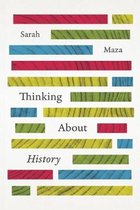
Notities Thinking About History IBHP
Intro + Chapter 1, Who?
At first history focussed on individuals, but that became gradually more contextual
Before 1960’s focus on political/military history ‘top-down’-> from elite
After 1960’s focus on social history ‘bottom-up’-> from the masses
Quantification works best for broad historical questions about population, the economy, and
mass politics-> social structure
|
But, reduces humans to numbers and research results might be boring
Development of Social History:
- Travelyan’s social history without politics-> Earlydays sometimes groups without
politics-> customs, daily life,
- Then ‘labor’ social history-> about labor groups with politics affected by it->
organizing, striking
- Then Thompsons revolution-> ’the making of the English working class’ 1963->
focused on the subjective experience of the normal working people
o effects of politics/society on groups, also other groups then usual factory
workers-> about unorganized groups, class consciousness is also present in
those groups
- ‘New Social History’ was interested in resistance other than organized, prepared
groups-> resistance without resources or organization-> even in uncontrollable
situations, there were forms of rebellion, challenge
o Many social historians aim to restore ‘agency’ to groups
- Women’s history in the private sphere 1970’s-> is history the same for women as for
men? Did women have the same Renaissance as men?-> women long not in focus
because of the overshadowing of their unpaid work and the assumption that women
did not shape history
- Gender History-> the role that gender plays in history-> gender roles that affect or
symbolize politics/war
- Gay/lesbian history-> the hidden sexuality and relationships of history
Historical perspectives/insights change because of focus/subject change
HC notes
Maza hoofdstuk 1
De geschiedenis van wie?
Hoe wordt dat eigenlijk bepaald over wie er wordt geschreven en wie er dan schrijft?
En hoe verandert dat onze blik op het verleden?
,Vroeger:
De geschiedenis wordt gevormd door “grote mannen” uit de geschiedenis en daar wordt dus
over geschreven-> vaak diplomatieke, politieke geschiedenis
Nut: grip krijgen op verleden was nuttig voor het heden omdat die mensen invloed hadden
op het heden
Er waren dan aannames die vroeger als waarheden werden gezien:
- Politieke, diplomatieke ontwikkelingen waren het belangrijkst
- De grote personen uit de geschiedenis hebben de meeste invloed op de samenleving
De kern van Maza H1: kwantitatieve verruiming leidt tot kwalitatieve verschuiving
Geschiedschrijving wordt steeds breder, steeds meer groepen worden behandeld->
hierdoor krijg je ook nieuwe inzichten, nieuwe onderzoeksonderwerpen-> het perspectief
op het verleden wordt veranderd
Social History (sociale en deels ook culturele geschiedenis)-> sympathie met subject->
aandacht voor nieuwe en vergeten groepen (arbeiders, minderheden), in plaats van
belangrijke individuen
New Social History-> belang “agency”-> groepen hebben ook daadwerkelijk invloed op het
leven-> de focus was om deze “agency” terug te geven aan de groepen uit het verleden
Problemen “agency”-> anachronisme (waarden van nu toepassen op verleden) en belang op
verkeerde dingen leggen
- De aandacht voor de losers van de geschiedenis
- De duidelijke verbreding van wat politiek is en kan zijn
- Aandacht op vergeten groepen-> in verlengde aandacht voor verschillende coherente
sociale groepen
Gevolg voor IB
GIB is gevoelig voor “grote mannen uit de geschiedenis”-> we moeten verbreding in zicht
houden, het zijn niet alleen de grote mannen
Chapter 2, where?
The nation-> still focused on politics/culture/geography
|
,Is also logistically possible and distinct
But, both nations and national histories are recent creations
Before American and French(1789-1799) revolutions during late 1700’s, history focused on
small/large regions or subjects or persons
‘age of revolutions’ connected nationalism with democracy, that state power should
represent the collective will of the population of a particular territory
19th century nationalism was entangled with racial assumptions
Also because early universities were state institutions, and professors politicians, the late
19th century historians focused on nations
|
Focus on regions, however, makes in-depth research manageable
|
Paradox-> serious work is regional, but serious arguments should be national in orientation
Why shouldn’t nations remain focus?
1. nation-states are quite recent, artificial and culturally limited
2. If focus is on nation-states a lot of history is neglected or distorted
Globalization, ngo’s, and idealism have denaturalized ‘nations’ i.e. exposed their artificiality
Benidict Anderson saw nations as imagined in the way that they are limited, i.e. with
physical boundaries, and sovereign, independent from supranational groups, and
community, beings bound by emotional ties and beliefs.
Intangible nations lead to tangible things like, bureaucracies, armies, schools, passports->
forms of instruction and control that could affect millions of lives
‘invented tradition’-> fictions create historical roots of nations-> traditions, royal families,
flags, capitals, monuments
Nations were created from international and domestic developments/conflicts
Most modern nations formed from both repudiation and commemoration-> i.e. the
rejections of former rule/regime and remembrance of revolution and new start
Agency is inseparable from identity, and identity depends on the management and
selections of memories from the past
In 1980’s history of the memory of the past
Focus history of national memory was on the remembrance of war
, Before 20th century military heroes were commemorated by paintings as the acts of great
men, but after WWI ordinary soldiers were remembered and the link of democracy and
nationalism was asserted
Not only memories, but forgotten things form nations
|
Differences in war get forgotten, reunion and reconciliation get emphasized
Nation as ‘imagined community’ through the ‘invention of tradition’ and the manipulation
of ‘national memory’ through forgetting and remembering assert ‘national identity’ as
constructed
Awareness that much of history transcends borders-> Atlantic slave trade in 18 th century
Understanding slave trade requires knowledge from multiple nations, cultures, economies,
continents
Both cause and influence after transcend continents/countries/nations
Recently, history can also focus on oceanic expanses-> Mediterranean history
|
Oceanic histories focus on what happens at sea, e.g. trade routes, but primarily the
interaction and exchanges that happened because of it
These interactions and exchanges affected and formed both parties
Atlantic history can also be about connected local developments, migrants, social change,
and even biography, to focus on smaller areas more in-depth.
|
Also allows specific focus on cultural spread across the world and the formation of new,
transcendent culture, e.g. black culture
Nation-based history-> from center outward, how rulers built nations, some uprisings
Borderlands history-> identities are formed on the periphery through encounters with
others
|
At the borders is where the distinction between one nation and another is clear, speaking of
territory
\
‘Frontier thesis’ by Frederick Jackson Turner
\
At the edge of expansion, is where traits are formed that define nations
Borderlands history also concerns borders of great powers
\
Intro + Chapter 1, Who?
At first history focussed on individuals, but that became gradually more contextual
Before 1960’s focus on political/military history ‘top-down’-> from elite
After 1960’s focus on social history ‘bottom-up’-> from the masses
Quantification works best for broad historical questions about population, the economy, and
mass politics-> social structure
|
But, reduces humans to numbers and research results might be boring
Development of Social History:
- Travelyan’s social history without politics-> Earlydays sometimes groups without
politics-> customs, daily life,
- Then ‘labor’ social history-> about labor groups with politics affected by it->
organizing, striking
- Then Thompsons revolution-> ’the making of the English working class’ 1963->
focused on the subjective experience of the normal working people
o effects of politics/society on groups, also other groups then usual factory
workers-> about unorganized groups, class consciousness is also present in
those groups
- ‘New Social History’ was interested in resistance other than organized, prepared
groups-> resistance without resources or organization-> even in uncontrollable
situations, there were forms of rebellion, challenge
o Many social historians aim to restore ‘agency’ to groups
- Women’s history in the private sphere 1970’s-> is history the same for women as for
men? Did women have the same Renaissance as men?-> women long not in focus
because of the overshadowing of their unpaid work and the assumption that women
did not shape history
- Gender History-> the role that gender plays in history-> gender roles that affect or
symbolize politics/war
- Gay/lesbian history-> the hidden sexuality and relationships of history
Historical perspectives/insights change because of focus/subject change
HC notes
Maza hoofdstuk 1
De geschiedenis van wie?
Hoe wordt dat eigenlijk bepaald over wie er wordt geschreven en wie er dan schrijft?
En hoe verandert dat onze blik op het verleden?
,Vroeger:
De geschiedenis wordt gevormd door “grote mannen” uit de geschiedenis en daar wordt dus
over geschreven-> vaak diplomatieke, politieke geschiedenis
Nut: grip krijgen op verleden was nuttig voor het heden omdat die mensen invloed hadden
op het heden
Er waren dan aannames die vroeger als waarheden werden gezien:
- Politieke, diplomatieke ontwikkelingen waren het belangrijkst
- De grote personen uit de geschiedenis hebben de meeste invloed op de samenleving
De kern van Maza H1: kwantitatieve verruiming leidt tot kwalitatieve verschuiving
Geschiedschrijving wordt steeds breder, steeds meer groepen worden behandeld->
hierdoor krijg je ook nieuwe inzichten, nieuwe onderzoeksonderwerpen-> het perspectief
op het verleden wordt veranderd
Social History (sociale en deels ook culturele geschiedenis)-> sympathie met subject->
aandacht voor nieuwe en vergeten groepen (arbeiders, minderheden), in plaats van
belangrijke individuen
New Social History-> belang “agency”-> groepen hebben ook daadwerkelijk invloed op het
leven-> de focus was om deze “agency” terug te geven aan de groepen uit het verleden
Problemen “agency”-> anachronisme (waarden van nu toepassen op verleden) en belang op
verkeerde dingen leggen
- De aandacht voor de losers van de geschiedenis
- De duidelijke verbreding van wat politiek is en kan zijn
- Aandacht op vergeten groepen-> in verlengde aandacht voor verschillende coherente
sociale groepen
Gevolg voor IB
GIB is gevoelig voor “grote mannen uit de geschiedenis”-> we moeten verbreding in zicht
houden, het zijn niet alleen de grote mannen
Chapter 2, where?
The nation-> still focused on politics/culture/geography
|
,Is also logistically possible and distinct
But, both nations and national histories are recent creations
Before American and French(1789-1799) revolutions during late 1700’s, history focused on
small/large regions or subjects or persons
‘age of revolutions’ connected nationalism with democracy, that state power should
represent the collective will of the population of a particular territory
19th century nationalism was entangled with racial assumptions
Also because early universities were state institutions, and professors politicians, the late
19th century historians focused on nations
|
Focus on regions, however, makes in-depth research manageable
|
Paradox-> serious work is regional, but serious arguments should be national in orientation
Why shouldn’t nations remain focus?
1. nation-states are quite recent, artificial and culturally limited
2. If focus is on nation-states a lot of history is neglected or distorted
Globalization, ngo’s, and idealism have denaturalized ‘nations’ i.e. exposed their artificiality
Benidict Anderson saw nations as imagined in the way that they are limited, i.e. with
physical boundaries, and sovereign, independent from supranational groups, and
community, beings bound by emotional ties and beliefs.
Intangible nations lead to tangible things like, bureaucracies, armies, schools, passports->
forms of instruction and control that could affect millions of lives
‘invented tradition’-> fictions create historical roots of nations-> traditions, royal families,
flags, capitals, monuments
Nations were created from international and domestic developments/conflicts
Most modern nations formed from both repudiation and commemoration-> i.e. the
rejections of former rule/regime and remembrance of revolution and new start
Agency is inseparable from identity, and identity depends on the management and
selections of memories from the past
In 1980’s history of the memory of the past
Focus history of national memory was on the remembrance of war
, Before 20th century military heroes were commemorated by paintings as the acts of great
men, but after WWI ordinary soldiers were remembered and the link of democracy and
nationalism was asserted
Not only memories, but forgotten things form nations
|
Differences in war get forgotten, reunion and reconciliation get emphasized
Nation as ‘imagined community’ through the ‘invention of tradition’ and the manipulation
of ‘national memory’ through forgetting and remembering assert ‘national identity’ as
constructed
Awareness that much of history transcends borders-> Atlantic slave trade in 18 th century
Understanding slave trade requires knowledge from multiple nations, cultures, economies,
continents
Both cause and influence after transcend continents/countries/nations
Recently, history can also focus on oceanic expanses-> Mediterranean history
|
Oceanic histories focus on what happens at sea, e.g. trade routes, but primarily the
interaction and exchanges that happened because of it
These interactions and exchanges affected and formed both parties
Atlantic history can also be about connected local developments, migrants, social change,
and even biography, to focus on smaller areas more in-depth.
|
Also allows specific focus on cultural spread across the world and the formation of new,
transcendent culture, e.g. black culture
Nation-based history-> from center outward, how rulers built nations, some uprisings
Borderlands history-> identities are formed on the periphery through encounters with
others
|
At the borders is where the distinction between one nation and another is clear, speaking of
territory
\
‘Frontier thesis’ by Frederick Jackson Turner
\
At the edge of expansion, is where traits are formed that define nations
Borderlands history also concerns borders of great powers
\