Philosophy of Mind, Brain, and
Behaviour
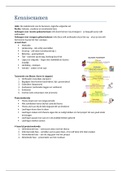
Grey circle: theories -
> what everything is
about
Orange/brown circle:
scientific theories that
you need to know a
little bit about.
Chapter 1: the mind-body problem
Mind: it refers to a range of processes and states that we commonly refer to as ‘mental,’ such as
thinking, having beliefs and desires, perceiving, being conscious, experiencing emotions, and forming
and acting on intentions. It is an umbrella term for all mental states.
Mental: intentional and/or phenomenal
- Intentional: a state can be about something else -> I hope something, I believe something
etc. It relates to who I am.
- Phenomenal: subjective inner qualitative aspect to an experience, all conscious states are
phenomenal states. For example: when seeing red, you have an experience by the colour.
Another example is that when being mad you do not only feel mad you act mad and have the
experience of being mad
o Unconscious is intentional but not phenomenal.
1.1 dualism
Substance dualism: the theory according to which people consist of two parts, a material body, and
an immaterial soul. The soul is the seed of our mental states and processes. Body and soul are
separate substances. They interact continuously with each other, for example: the will is thought to
reside in the soul, but its effects usually consist of bodily actions.
- A substance is something that can exist independently.
Substance dualism is associated with religion, life after death, spiritism, and paranormal phenomena.
According to Descartes the soul does not occupy space. Only material things have extension. He
defined thinking as the essence of the immaterial soul, it embraces intellectual mental processes and
conscious processes.
Property dualism: the mind is produced by the physical brain, but some of its properties
(phenomenal properties) are non-physical -> week 2
,1.1.1 doubt as argument
The foundation of scientific knowledge exists of knowledge that we cannot doubt. This can be done
by doubting everything we presume we know. Doubting is a form of thought: ‘’I think, therefore I
exist’’.
Descartes accepted dualism based on the assumption that material objects cannot think.
Leibniz held that we can only say that x is really the same thing as y if x and y share all their
properties. He illustrated these principles of the identity of indiscernible by taking the example of
two identical billiard balls: both balls are equally big, made of the same material, equally smooth, and
have the same colour. Even though they are identical in all their properties, they are still two billiard
balls. This is because there is one property that they do not share: their place in space and time.
- This principle can be used to argue that Descartes’ thinking ‘I’ cannot be the same entity as a
material body or brain.
1.1.2 two features of Cartesian dualism
The two features of Cartesian dualism are:
1. Descartes’ thinking, I is his conception of the soul. It is an immaterial entity. Its existence as
distinct from the material body, is a prominent feature of the Cartesian view of the mind.
2. The second feature remains intact in many contemporary philosophical and scientific
theories of the mind. The ‘I’ is connected to the outside world indirectly, through the senses
(which provide input for the mind) and through behaviour (which constitute the mind’s
output).
Ideas: it exists in the mind, but it is about the world
Thought: the manipulation of ideas.
True knowledge consists of ideas that correspond to how the world really is.
1.1.3 problems with arguments for dualism
Descartes’ arguments for dualism were based on the idea that material objects or entities cannot
think. Now we recognize that Descartes’ reasons for accepting dualism were insufficient.
- We are familiar with computers that can reason and that produce and understand language.
They still cannot think as humans do but that happens in the future. In that case Descartes’
argument fails.
- We can doubt about the existence of our bodies and brains, but we cannot doubt that
someone is doubting. This means that this person cannot be identical with his or her brain
and body. The counterargument here is that what someone is entitled to think about x
should not be considered a property of x in the sense of Leibniz’ principle of the identity of
indiscernible.
Ontology: the study of what really exists. The idea that the mind and the body are distinct entities is
an ontological thesis.
Epistemology: the study of what we know and how we can know it. The distinction of what we can
doubt is an epistemological distinction.
The argument for substance dualism based on doubt fails because it draws an ontological conclusion
form an epistemological difference.
, 1.1.4 the interaction problem
One argument for dualism is the interaction problem. How can the material body cause changes in
the immaterial soul? According to Descartes:
- Material substances: the physical realm of extended objects
- Immaterial souls: the non-extended realm of thinking things
Descartes thought that there could be an interaction between these two by locating where the soul
influences the body. It also involved contentions about forces streaming form the soul into the body.
His defence against criticism was that because his theory cannot be explained it does not mean that
it is not present.
- Magnetism: a strange and unexplained phenomenon. However, the unavailability of an
explanation does not imply that the phenomenon does not exist.
This defence does not hold up because comparison with magnetism fails. We also now have reasons
to believe that an explanation of the influence of an immaterial entity on physical processes will
never be possible.
- Causal closure of the physical realm: the idea that the occurrence of every physical event has
a complete physical explanation.
1.2 logical behaviourism
The immaterial soul was investigated using introspection: subjects were asked to look inward and
report on their subjective experiences as accurately as possible. A problem with introspection was
that it cannot be verified or falsified by others.
Methodological problems with dualism:
- Dualism implies introspection as the only feasible scientific methodology
- Introspection is neither objective, nor intersubjective -> you must believe that people tell the
truth and that they are not deluded, you also cannot check it.
- Unconscious mental states cannot be topics of scientific research
Response (John Watson) -> define psychology as behavioural science. He recalibrated psychology as a
science and said that it was unscientific.
The logical behaviourism referred to thing -> let us see what we mean
with the mind
The interaction problem (Elisabeth princess of Bohemian)
A dilemma existed: either the way in which we use psychological
terminology in daily life – our mentalistic language – is a remnant of pre-scientific thinking, or a
substantial part of reality, described by our mentalistic language, escapes scrutiny.
- The first option is problematic because our mentalistic language is an integral part of our
daily life and our society.
- The second option is problematic because it would imply that our scientific worldview is
principally incomplete.
Gilbert Ryle stated an alternative way of thinking about the mind: logical/philosophical behaviourism.
Ryle said that the mind and the body are depicted as puppeteer and puppet. This is wrong. We
postulate the mind as a hidden locus of control to explain the difference between intelligent and
Behaviour
Grey circle: theories -
> what everything is
about
Orange/brown circle:
scientific theories that
you need to know a
little bit about.
Chapter 1: the mind-body problem
Mind: it refers to a range of processes and states that we commonly refer to as ‘mental,’ such as
thinking, having beliefs and desires, perceiving, being conscious, experiencing emotions, and forming
and acting on intentions. It is an umbrella term for all mental states.
Mental: intentional and/or phenomenal
- Intentional: a state can be about something else -> I hope something, I believe something
etc. It relates to who I am.
- Phenomenal: subjective inner qualitative aspect to an experience, all conscious states are
phenomenal states. For example: when seeing red, you have an experience by the colour.
Another example is that when being mad you do not only feel mad you act mad and have the
experience of being mad
o Unconscious is intentional but not phenomenal.
1.1 dualism
Substance dualism: the theory according to which people consist of two parts, a material body, and
an immaterial soul. The soul is the seed of our mental states and processes. Body and soul are
separate substances. They interact continuously with each other, for example: the will is thought to
reside in the soul, but its effects usually consist of bodily actions.
- A substance is something that can exist independently.
Substance dualism is associated with religion, life after death, spiritism, and paranormal phenomena.
According to Descartes the soul does not occupy space. Only material things have extension. He
defined thinking as the essence of the immaterial soul, it embraces intellectual mental processes and
conscious processes.
Property dualism: the mind is produced by the physical brain, but some of its properties
(phenomenal properties) are non-physical -> week 2
,1.1.1 doubt as argument
The foundation of scientific knowledge exists of knowledge that we cannot doubt. This can be done
by doubting everything we presume we know. Doubting is a form of thought: ‘’I think, therefore I
exist’’.
Descartes accepted dualism based on the assumption that material objects cannot think.
Leibniz held that we can only say that x is really the same thing as y if x and y share all their
properties. He illustrated these principles of the identity of indiscernible by taking the example of
two identical billiard balls: both balls are equally big, made of the same material, equally smooth, and
have the same colour. Even though they are identical in all their properties, they are still two billiard
balls. This is because there is one property that they do not share: their place in space and time.
- This principle can be used to argue that Descartes’ thinking ‘I’ cannot be the same entity as a
material body or brain.
1.1.2 two features of Cartesian dualism
The two features of Cartesian dualism are:
1. Descartes’ thinking, I is his conception of the soul. It is an immaterial entity. Its existence as
distinct from the material body, is a prominent feature of the Cartesian view of the mind.
2. The second feature remains intact in many contemporary philosophical and scientific
theories of the mind. The ‘I’ is connected to the outside world indirectly, through the senses
(which provide input for the mind) and through behaviour (which constitute the mind’s
output).
Ideas: it exists in the mind, but it is about the world
Thought: the manipulation of ideas.
True knowledge consists of ideas that correspond to how the world really is.
1.1.3 problems with arguments for dualism
Descartes’ arguments for dualism were based on the idea that material objects or entities cannot
think. Now we recognize that Descartes’ reasons for accepting dualism were insufficient.
- We are familiar with computers that can reason and that produce and understand language.
They still cannot think as humans do but that happens in the future. In that case Descartes’
argument fails.
- We can doubt about the existence of our bodies and brains, but we cannot doubt that
someone is doubting. This means that this person cannot be identical with his or her brain
and body. The counterargument here is that what someone is entitled to think about x
should not be considered a property of x in the sense of Leibniz’ principle of the identity of
indiscernible.
Ontology: the study of what really exists. The idea that the mind and the body are distinct entities is
an ontological thesis.
Epistemology: the study of what we know and how we can know it. The distinction of what we can
doubt is an epistemological distinction.
The argument for substance dualism based on doubt fails because it draws an ontological conclusion
form an epistemological difference.
, 1.1.4 the interaction problem
One argument for dualism is the interaction problem. How can the material body cause changes in
the immaterial soul? According to Descartes:
- Material substances: the physical realm of extended objects
- Immaterial souls: the non-extended realm of thinking things
Descartes thought that there could be an interaction between these two by locating where the soul
influences the body. It also involved contentions about forces streaming form the soul into the body.
His defence against criticism was that because his theory cannot be explained it does not mean that
it is not present.
- Magnetism: a strange and unexplained phenomenon. However, the unavailability of an
explanation does not imply that the phenomenon does not exist.
This defence does not hold up because comparison with magnetism fails. We also now have reasons
to believe that an explanation of the influence of an immaterial entity on physical processes will
never be possible.
- Causal closure of the physical realm: the idea that the occurrence of every physical event has
a complete physical explanation.
1.2 logical behaviourism
The immaterial soul was investigated using introspection: subjects were asked to look inward and
report on their subjective experiences as accurately as possible. A problem with introspection was
that it cannot be verified or falsified by others.
Methodological problems with dualism:
- Dualism implies introspection as the only feasible scientific methodology
- Introspection is neither objective, nor intersubjective -> you must believe that people tell the
truth and that they are not deluded, you also cannot check it.
- Unconscious mental states cannot be topics of scientific research
Response (John Watson) -> define psychology as behavioural science. He recalibrated psychology as a
science and said that it was unscientific.
The logical behaviourism referred to thing -> let us see what we mean
with the mind
The interaction problem (Elisabeth princess of Bohemian)
A dilemma existed: either the way in which we use psychological
terminology in daily life – our mentalistic language – is a remnant of pre-scientific thinking, or a
substantial part of reality, described by our mentalistic language, escapes scrutiny.
- The first option is problematic because our mentalistic language is an integral part of our
daily life and our society.
- The second option is problematic because it would imply that our scientific worldview is
principally incomplete.
Gilbert Ryle stated an alternative way of thinking about the mind: logical/philosophical behaviourism.
Ryle said that the mind and the body are depicted as puppeteer and puppet. This is wrong. We
postulate the mind as a hidden locus of control to explain the difference between intelligent and