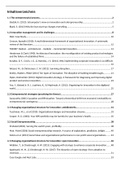
Inhaltsverzeichnis
1.1 The entrepreneurial process................................................................................................................2
Sledzik, K. (2013). Schumpeter’s view on innovation and entrepreneurship................................................2
Blank, S. (2013) Why the lean start-up changes everything..........................................................................5
1.2 Innovation management and its challenges.........................................................................................8
P&G: Case Study...........................................................................................................................................10
Crossan, Apaydin (2010): A multi dimensional framework of organizational innovation: A systematic
review of the literature................................................................................................................................12
THEORY: Radical – architectural – modular – incremental innovation........................................................14
Henderson & Clark (1990): Architectural Innovation: the reconfiguration of existing product technologies
and the failure of established firms..............................................................................................................14
Kuratko, D. F., Covin, J. G., & Hornsby, J. S. (2014). Why implementing corporate innovation is so difficult.
......................................................................................................................................................................16
Wessel, M., & Christensen, C. M. (2012). Surviving disruption....................................................................17
Keeley, Walters, Pikkel (2013) Ten types of innovation: The discipline of building breakthroughs............21
Nylen, Holmström (2014): Digital innovation strategy: A framework for diagnosing and improving digital
product and service innovation....................................................................................................................23
Yoo, Y., Boland Jr, R. J., Lyytinen, K., & Majchrzak, A. (2012). Organizing for innovation in the digitized
world.............................................................................................................................................................25
2.2 Entrepreneurial strategies (practicing the theory).............................................................................27
Sarasvathy (2001) Causation and Effectuation: Toward a theoretical shift from economic inevitability to
entrepreneurial contingency........................................................................................................................28
3.1 Managing organizational structure for innovation: ambidexterity.....................................................31
Tuschman, M.L., et al (2010). Organizational designs and innovation streams..........................................33
Cooper, R. G. (2003). Your NPD portfolio may be harmful to your business’s health.................................35
3.2 Social Entrepreneurship....................................................................................................................38
Prahalad (2002). Serving the world’s poor, profitably.................................................................................38
Mair, Marti (2006) Social entrepreneurship research: A source of explanation, prediction, delight..........40
Felicio et al. (2013) Social Value and organizational performance in non-profit social organizations........43
4.1 Managing organizational structure for innovation: open innovation.................................................46
Weiblen, T., & Chesbrough, H. W. (2015). Engaging with startups to enhance corporate innovation.......48
Appleyard, M. M., & Chesbrough, H. W. (2017). The dynamics of open strategy: from adoption to
reversion.......................................................................................................................................................51
Case Google and Nest Labs...........................................................................................................................53
,4.2 Managing networks in innovation and entrepreneurship..................................................................54
Ferriani et al (2009): The relational antecedents of project-entrepreneurship: Network centrality, team
composition and project performance.........................................................................................................54
Lavie, Haunschild (2012): Organizational differences, relational mechanisms and alliance performance. 57
5.1 Managing people for innovation.......................................................................................................61
Dyler, Gregersen & Christensen (2011): The innovator’s DNA: Mastering the five skills of disruptive
innovators.....................................................................................................................................................61
Amabile, Pratt (2016) The dynamic componential model of creativity and innovation in organizations:
making progress, making meaning...............................................................................................................62
Hansen, M. T., & Nohria, N. (2004). How to build collaborative advantage................................................66
5.2 Financing new ventures.....................................................................................................................69
Kirsch et al (2009) The role of business plans in venture capital decision making......................................69
Shane and Cable (2002): Network ties, reputation and the financing of new ventures..............................73
6.1 Intrapreneurship & Employee Spin-outs............................................................................................77
Klepper (2001) Employee startups in High-Tech industries.........................................................................77
Kacperczyk (2012) Opportunity structures in established firms: Entrepreneurship versus intrapreneurship
in mutual funds.............................................................................................................................................78
Burgelman, R. A. (1983). A process model of internal corporate venturing in the diversified major firm..79
Case Enagas..................................................................................................................................................80
6.2 Crowdfunding....................................................................................................................................81
Mollick, E. (2014). The dynamics of crowdfunding: An exploratory study..................................................81
Soubliere and Gehman (2020): The legitimacy threshold revisited: How prior successes and failures spill
over to other endeavors on kickstarter........................................................................................................83
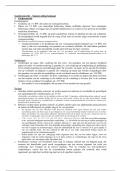
1.1 The entrepreneurial process
Sledzik, K. (2013). Schumpeter’s view on innovation and entrepreneurship.
Schumpeter Created the field Entrepreneurship & Innovation
Before him:
One perspective was micro economical: rational, well informed actors in the market
Other perspective: sociological: all behavior is governed by societal actions: demographics, family
background, sex…
Schumpeter said market is someone in between: Market evolution is driven by extraordinary individuals-
entrepreneurs
The market consists of people who are governed by market principals AND by groups
Schumpeter view:
entrepreneurship and innovation crucial for economic growth.
Entrepreneurs carry out new combinations
occurrence of discontinuous and “revolutionary” change as the core of “economic development” which
breaks the economy out of its static mode.
, Market growth is supported by extraordinary individuals (entrepreneurship).
- Innovation is a process of industrial change. Destroying the old economic structure and consequently
creating a new one.
- Allocating existing resources to new uses and new combinations
Relevance now: capitalism can lead to monopolistic structure and disappearance of the entrepreneur.
Schumpeter’s innovation theory:
Consumer preferences are given and cannot cause the economic change
Development= process of structural changes, driven by innovation
4 types of innovation/ development:
1. Launch of new product or new species of already known product
2. Application of new methods of production or sales of a product (previously unknown)
3. Opening a new market
4. Acquiring of new sources of supply of raw material
5. New industry structure: such as creation or destruction of a monopoly position
Anyone seeking profit must innovate
Dimensions of innovation:
Invention
Innovation
Diffusion (=widely spreading of something=
imitation
Motives of Entrepreneurs:
Money???
For the sake of winningcompeting
Independence creating own kingdompower and independence
Joy of creation
social mission is missing
Characteristics of Entepreneurs:
Intelligent
Alert
Energetic
Determined
They can be improved-meaning entrepreneurship isn’t something you’re born with but can be learned
by university education
They create innovation through change-through the process of creative destruction
Innovation:
Is the creative destruction that develops the economy and entrepreneur is the change creator
Process of industrial mutation
Revolutionizes the economic structure from within
Destroys the old one and creates a new one
Creative destruction:
Process in which entrepreneurs create something new which is better than the previous solution for the
same problem and replaces the old one
Entrepreneurs do that through combination of existing resources
, Everything new is created from existing resources
Result is profitschumpeter: profit is the reward
Entrepreneurship: Innovation and the actualization of the innovation
Schumpeter’s 1st entrepreneurship theory
Before: entrepreneur is the organizer and manager of production or trade and most often the employer and owner
of capital
According to S: concerns only functions and activities related to innovation
Entrepreneur not necessarily the owner of capital
Function: revolutionize the pattern of production by exploiting an invention.
How? By reorganizing the industry, opening up new source of supply of materials…
Breaking up old and creating new
Circular motion: as soon as a person organizes its company, it loses the entrepreneurial function
There is no such thing as lifelong entrepreneurs
It’s not the entrepreneur who receives a profit but it’s always thanks to him
Profit goes to the capitalist-owner of the company
1.1 The entrepreneurial process................................................................................................................2
Sledzik, K. (2013). Schumpeter’s view on innovation and entrepreneurship................................................2
Blank, S. (2013) Why the lean start-up changes everything..........................................................................5
1.2 Innovation management and its challenges.........................................................................................8
P&G: Case Study...........................................................................................................................................10
Crossan, Apaydin (2010): A multi dimensional framework of organizational innovation: A systematic
review of the literature................................................................................................................................12
THEORY: Radical – architectural – modular – incremental innovation........................................................14
Henderson & Clark (1990): Architectural Innovation: the reconfiguration of existing product technologies
and the failure of established firms..............................................................................................................14
Kuratko, D. F., Covin, J. G., & Hornsby, J. S. (2014). Why implementing corporate innovation is so difficult.
......................................................................................................................................................................16
Wessel, M., & Christensen, C. M. (2012). Surviving disruption....................................................................17
Keeley, Walters, Pikkel (2013) Ten types of innovation: The discipline of building breakthroughs............21
Nylen, Holmström (2014): Digital innovation strategy: A framework for diagnosing and improving digital
product and service innovation....................................................................................................................23
Yoo, Y., Boland Jr, R. J., Lyytinen, K., & Majchrzak, A. (2012). Organizing for innovation in the digitized
world.............................................................................................................................................................25
2.2 Entrepreneurial strategies (practicing the theory).............................................................................27
Sarasvathy (2001) Causation and Effectuation: Toward a theoretical shift from economic inevitability to
entrepreneurial contingency........................................................................................................................28
3.1 Managing organizational structure for innovation: ambidexterity.....................................................31
Tuschman, M.L., et al (2010). Organizational designs and innovation streams..........................................33
Cooper, R. G. (2003). Your NPD portfolio may be harmful to your business’s health.................................35
3.2 Social Entrepreneurship....................................................................................................................38
Prahalad (2002). Serving the world’s poor, profitably.................................................................................38
Mair, Marti (2006) Social entrepreneurship research: A source of explanation, prediction, delight..........40
Felicio et al. (2013) Social Value and organizational performance in non-profit social organizations........43
4.1 Managing organizational structure for innovation: open innovation.................................................46
Weiblen, T., & Chesbrough, H. W. (2015). Engaging with startups to enhance corporate innovation.......48
Appleyard, M. M., & Chesbrough, H. W. (2017). The dynamics of open strategy: from adoption to
reversion.......................................................................................................................................................51
Case Google and Nest Labs...........................................................................................................................53
,4.2 Managing networks in innovation and entrepreneurship..................................................................54
Ferriani et al (2009): The relational antecedents of project-entrepreneurship: Network centrality, team
composition and project performance.........................................................................................................54
Lavie, Haunschild (2012): Organizational differences, relational mechanisms and alliance performance. 57
5.1 Managing people for innovation.......................................................................................................61
Dyler, Gregersen & Christensen (2011): The innovator’s DNA: Mastering the five skills of disruptive
innovators.....................................................................................................................................................61
Amabile, Pratt (2016) The dynamic componential model of creativity and innovation in organizations:
making progress, making meaning...............................................................................................................62
Hansen, M. T., & Nohria, N. (2004). How to build collaborative advantage................................................66
5.2 Financing new ventures.....................................................................................................................69
Kirsch et al (2009) The role of business plans in venture capital decision making......................................69
Shane and Cable (2002): Network ties, reputation and the financing of new ventures..............................73
6.1 Intrapreneurship & Employee Spin-outs............................................................................................77
Klepper (2001) Employee startups in High-Tech industries.........................................................................77
Kacperczyk (2012) Opportunity structures in established firms: Entrepreneurship versus intrapreneurship
in mutual funds.............................................................................................................................................78
Burgelman, R. A. (1983). A process model of internal corporate venturing in the diversified major firm..79
Case Enagas..................................................................................................................................................80
6.2 Crowdfunding....................................................................................................................................81
Mollick, E. (2014). The dynamics of crowdfunding: An exploratory study..................................................81
Soubliere and Gehman (2020): The legitimacy threshold revisited: How prior successes and failures spill
over to other endeavors on kickstarter........................................................................................................83
1.1 The entrepreneurial process
Sledzik, K. (2013). Schumpeter’s view on innovation and entrepreneurship.
Schumpeter Created the field Entrepreneurship & Innovation
Before him:
One perspective was micro economical: rational, well informed actors in the market
Other perspective: sociological: all behavior is governed by societal actions: demographics, family
background, sex…
Schumpeter said market is someone in between: Market evolution is driven by extraordinary individuals-
entrepreneurs
The market consists of people who are governed by market principals AND by groups
Schumpeter view:
entrepreneurship and innovation crucial for economic growth.
Entrepreneurs carry out new combinations
occurrence of discontinuous and “revolutionary” change as the core of “economic development” which
breaks the economy out of its static mode.
, Market growth is supported by extraordinary individuals (entrepreneurship).
- Innovation is a process of industrial change. Destroying the old economic structure and consequently
creating a new one.
- Allocating existing resources to new uses and new combinations
Relevance now: capitalism can lead to monopolistic structure and disappearance of the entrepreneur.
Schumpeter’s innovation theory:
Consumer preferences are given and cannot cause the economic change
Development= process of structural changes, driven by innovation
4 types of innovation/ development:
1. Launch of new product or new species of already known product
2. Application of new methods of production or sales of a product (previously unknown)
3. Opening a new market
4. Acquiring of new sources of supply of raw material
5. New industry structure: such as creation or destruction of a monopoly position
Anyone seeking profit must innovate
Dimensions of innovation:
Invention
Innovation
Diffusion (=widely spreading of something=
imitation
Motives of Entrepreneurs:
Money???
For the sake of winningcompeting
Independence creating own kingdompower and independence
Joy of creation
social mission is missing
Characteristics of Entepreneurs:
Intelligent
Alert
Energetic
Determined
They can be improved-meaning entrepreneurship isn’t something you’re born with but can be learned
by university education
They create innovation through change-through the process of creative destruction
Innovation:
Is the creative destruction that develops the economy and entrepreneur is the change creator
Process of industrial mutation
Revolutionizes the economic structure from within
Destroys the old one and creates a new one
Creative destruction:
Process in which entrepreneurs create something new which is better than the previous solution for the
same problem and replaces the old one
Entrepreneurs do that through combination of existing resources
, Everything new is created from existing resources
Result is profitschumpeter: profit is the reward
Entrepreneurship: Innovation and the actualization of the innovation
Schumpeter’s 1st entrepreneurship theory
Before: entrepreneur is the organizer and manager of production or trade and most often the employer and owner
of capital
According to S: concerns only functions and activities related to innovation
Entrepreneur not necessarily the owner of capital
Function: revolutionize the pattern of production by exploiting an invention.
How? By reorganizing the industry, opening up new source of supply of materials…
Breaking up old and creating new
Circular motion: as soon as a person organizes its company, it loses the entrepreneurial function
There is no such thing as lifelong entrepreneurs
It’s not the entrepreneur who receives a profit but it’s always thanks to him
Profit goes to the capitalist-owner of the company