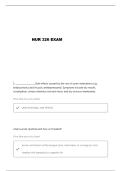
2. _________________________Side effects caused by the use of some medications (i.g.,
antipsychotics and tricyclic antidepressants). Symptoms include dry mouth,
constipation, urinary retention, blurred vision, and dry mucous membranes.
Give this one a try later!
(anticholinergic side effects)
what is acute dystonia and how is it treated?
Give this one a try later!
acute contraction of the tongue, face, neck back, or oculogryic crisis
treated with benadryl or cogentin IM
,characteristics of neuroleptic malignant syndrome
Give this one a try later!
hyperthermia (>103) and severe muscle rigidity
medical emergency = transfer pt to ICU
what is disorganized / abnromal motor behavior
Give this one a try later!
markedly abnormal behavior ranging from agitation and catatonia (no
movement or hypermovement) that is commonly situationally incongruent
ex: marching
stages of mourning
Give this one a try later!
- shock and disbelief
- awareness of loss
- restitution
Which nursing interventions are important to assist someone through grief? (select all
that apply):
a. facilitating the process of grief
,b. encouraging crying
c. encouraging the client to adopt spiritual beliefs
d. allowing the patient to verbalize feelings
Give this one a try later!
a. facilitating the process of grief
b. encouraging crying
d. allowing the patient to verbalize feelings
-Goal: assist person with process and accept the discomfort
-Maintain accepting attitude=
=Facilitates process
= Encourages crying
= Verbalization of feelings
= Reviewing relationship with deceased
= Seek support from family and friends
= Anticipate and accept anger and rage
-Do not prescribe or urge clients to adopt certain spiritual beliefs or
practices, and do not pressure them to relinquish such beliefs or practices
which patients history assessment most likely reveals interpersonal violence?
a. an intoxicated woman bleeding from her vaginal canal who is unable to recall
events leading up to this
b. a woman with a distinct small circular burn on her forearm who says she
accidentally burned herself with a cigarette who is afraid to tell you the rest of her
history
c. a toddler with a bump on the head
d. a school-aged child with "little league elbow"
Give this one a try later!
b. a woman with a distinct small circular burn on her forearm who says she
accidentally burned herself with a cigarette who is afraid to tell you the rest
of her history
History
, May be incomplete or inconsistent with injuries observed.
Victims may be afraid to provide events.
Victims may not be able to recollect events.
what is psuedoparkinsonism and how is it treated?
Give this one a try later!
stiffness/rigidity, tremor -especially in the neck
treat with artane, cogentin, and symmetrel
define mourning
Give this one a try later!
the process by which grief is resolved
1. Jonathan, a 22 year old make, comes to the ED after reportedly being up for 48 hrs,
driving to Las Vegas where he gambled his last paycheck. He appears disheveled,
rapid speech, and is asking for pain medication for his chronic back pain. Based on
this assessment, Jonathan may be experiencing?
a. Anger from recent loss
b. Manic episode
c. Psychosis
d. PTSD
Give this one a try later!
antipsychotics and tricyclic antidepressants). Symptoms include dry mouth,
constipation, urinary retention, blurred vision, and dry mucous membranes.
Give this one a try later!
(anticholinergic side effects)
what is acute dystonia and how is it treated?
Give this one a try later!
acute contraction of the tongue, face, neck back, or oculogryic crisis
treated with benadryl or cogentin IM
,characteristics of neuroleptic malignant syndrome
Give this one a try later!
hyperthermia (>103) and severe muscle rigidity
medical emergency = transfer pt to ICU
what is disorganized / abnromal motor behavior
Give this one a try later!
markedly abnormal behavior ranging from agitation and catatonia (no
movement or hypermovement) that is commonly situationally incongruent
ex: marching
stages of mourning
Give this one a try later!
- shock and disbelief
- awareness of loss
- restitution
Which nursing interventions are important to assist someone through grief? (select all
that apply):
a. facilitating the process of grief
,b. encouraging crying
c. encouraging the client to adopt spiritual beliefs
d. allowing the patient to verbalize feelings
Give this one a try later!
a. facilitating the process of grief
b. encouraging crying
d. allowing the patient to verbalize feelings
-Goal: assist person with process and accept the discomfort
-Maintain accepting attitude=
=Facilitates process
= Encourages crying
= Verbalization of feelings
= Reviewing relationship with deceased
= Seek support from family and friends
= Anticipate and accept anger and rage
-Do not prescribe or urge clients to adopt certain spiritual beliefs or
practices, and do not pressure them to relinquish such beliefs or practices
which patients history assessment most likely reveals interpersonal violence?
a. an intoxicated woman bleeding from her vaginal canal who is unable to recall
events leading up to this
b. a woman with a distinct small circular burn on her forearm who says she
accidentally burned herself with a cigarette who is afraid to tell you the rest of her
history
c. a toddler with a bump on the head
d. a school-aged child with "little league elbow"
Give this one a try later!
b. a woman with a distinct small circular burn on her forearm who says she
accidentally burned herself with a cigarette who is afraid to tell you the rest
of her history
History
, May be incomplete or inconsistent with injuries observed.
Victims may be afraid to provide events.
Victims may not be able to recollect events.
what is psuedoparkinsonism and how is it treated?
Give this one a try later!
stiffness/rigidity, tremor -especially in the neck
treat with artane, cogentin, and symmetrel
define mourning
Give this one a try later!
the process by which grief is resolved
1. Jonathan, a 22 year old make, comes to the ED after reportedly being up for 48 hrs,
driving to Las Vegas where he gambled his last paycheck. He appears disheveled,
rapid speech, and is asking for pain medication for his chronic back pain. Based on
this assessment, Jonathan may be experiencing?
a. Anger from recent loss
b. Manic episode
c. Psychosis
d. PTSD
Give this one a try later!