WEEK 1: THE HUMAN BODY. BSNY1-S1PE1 - Anatomy and Physiology
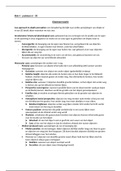
Anatomy - Study of structure & shape of the body parts and their ● Idiopathic
relationships. ● Aging - medical term used to describe a condition or disease
whose cause is unknown
1. Gross (Macroscopic) Anatomy – visible to the naked eye (Heart, ● Hypercholesterolemia - high cholesterol, is the presence of high
Bones, Kidney, Lungs.., Etc). levels of cholesterol in the blood.
2. Microscopic Anatomy – study of very small structure, uses ● Circumduction - the circular movement of a limb or body part,
microscope (Cytology – study of cells, Histology – study of where the distal end (e.g., the hand or foot) traces a circle while
tissues) the proximal end (e.g., the shoulder or hip) remains relatively
3. Surface Anatomy – study of the form (morphology) and stationary
markings in the body surface. ● Nerve cells - the fundamental units of the nervous system
4. Systemic Anatomy – studies body systems (e.g., skeletal system, ● Central nervous system - the main processing center of the
digestive system, respiratory system..,) body (5 division of brain, 3 region of the brain)
5. Regional Anatomy – studies specific regions (e.g., head, chest) ● Peripheral nervous system - the network of nerves outside the
6. Radiographic Anatomy – Study of a specific structure of the brain and spinal cord (automatic, sympathetic, ..)
body uses x-ray ● 33 spinal nerves, 12 cranial nerves
7. Developmental Anatomy – study of development from the ● Capillaries - the smallest type of blood vessel in the body, acting
fertilized egg to adult form as a vital link between arteries and veins
8. Pathological Anatomy – study of structural changes (from gross ● Arteries - blood vessels that carry blood away from the heart to
to microscopic) of diseases. the rest of the body
● Vein - a blood vessel that carries deoxygenated blood from the
Other terms mentioned: body back to the heart
● 4 chambers of the heart - two atria (right and left) and two
● Cell - The Basic unit of life ventricles (right and left).
● Tissue - A group of similar cells with a specific structure and ● 2 vessels in the heart - arteries and veins.
function, working together as a unit
- Epithelial Tissue: This tissue forms linings and LEVELS OF STRUCTURAL ORGANIZATION
coverings for various surfaces, both internal and
external. It also forms glands. Examples: Skin A. Levels of Structural Complexity
- Connective Tissue: provides support, structure, and 1. Chemical Level – Atoms & molecules (e.g., DNA, water)
protection to other tissues and organs. It also plays a ● Atoms - tiny building block of matter
role in transportation and energy storage. Example: ● Molecules - water sugar, proteins
bone ● Molecules — cells
- Muscle Tissue: Responsible for movement. It 2. Cellular – Basic unit of life
contracts and relaxes to produce force and motion. 3. Tissue – 4 types: epithelial, connective, muscle, nervous
There are three types of muscle tissue: skeletal 4. Organ – group of tissues (e.g., heart)
(voluntary) muscle, smooth muscle, and cardiac 5. Organ System – Group of organs
muscle (heart muscle). 6. Organism – Complete living being
- Nervous Tissue: transmits and integrates
information throughout the body via electrical and ORGAN SYSTEMS
chemical signals. It is composed of neurons and glial System Major Organs Functions
cells, which support and protect the neurons. Integumentary Skin, hair, nails Protection, temperature
● Skin - Largest organ in the body regulation, sensation
● Gametogenesis - the biological process where haploid gametes Skeletal Bones, cartilage, Support the body, provides
(sex cells) are produced from diploid germ cells. This process is ligaments and framework, blood cell
crucial for sexual reproduction, ensuring the correct number of joints production, storehouse for
chromosomes is passed on to offspring during fertilization. minerals
Muscular Muscles Movement, heat. (3 types:
Physiology – Study of function. skeletal, smooth, cardiac)
Nervous Brain, spinal Coordination, response
1. Cell Physiology - study of cell functions cord
2. Pathophysiology - study of functional changes associated with Endocrine Glands Hormonal control
disease and aging.
Cardiovascular Heart, vessels Transport gases, nutrients,
3. Exercise Physiology - study of changes in cell or organ functions
protection from bacterias
during muscular activity
Lymphatic Lymph nodes, Immunity, fluid return
4. Neurophysiology - study of functional characteristics of nerve
lymphatic
cells (neuron)
vessels, spleen
5. Endocrinology - study of hormones (chemical regulators in the
blood) Respiratory Lungs, trachea Gas exchange
6. Cardiovascular Physiology - study of the heart and blood vessels Digestive Stomach, Mouth to anus, Nutrient
7. Immunology - study of body’s defense mechanism intestines breakdown, water
8. Respiratory Physiology - study of functions of the air passages absorption
and the lungs Urinary Kidneys, bladder Waste elimination,
9. Renal Physiology - study of renal functions acid-base balance
Reproductive Testes, ovaries Procreation
Other terms mentioned:
● Cell Membrane, Cytoplasm, Nucleus, Nucleolus, Mitochondria, ● 639 muscles.
Ribosomes, Endoplasmic Reticulum (ER), Golgi Apparatus, ● Endocrine glands - a group of organs in the body that produce
Lysosomes, Cytoskeleton and release hormones directly into the bloodstream
● Antibodies - proteins produced by the immune system to fight ● 60 upper limbs, 60 lower limbs.
against specific antigens.
Anatomy - Study of structure & shape of the body parts and their ● Idiopathic
relationships. ● Aging - medical term used to describe a condition or disease
whose cause is unknown
1. Gross (Macroscopic) Anatomy – visible to the naked eye (Heart, ● Hypercholesterolemia - high cholesterol, is the presence of high
Bones, Kidney, Lungs.., Etc). levels of cholesterol in the blood.
2. Microscopic Anatomy – study of very small structure, uses ● Circumduction - the circular movement of a limb or body part,
microscope (Cytology – study of cells, Histology – study of where the distal end (e.g., the hand or foot) traces a circle while
tissues) the proximal end (e.g., the shoulder or hip) remains relatively
3. Surface Anatomy – study of the form (morphology) and stationary
markings in the body surface. ● Nerve cells - the fundamental units of the nervous system
4. Systemic Anatomy – studies body systems (e.g., skeletal system, ● Central nervous system - the main processing center of the
digestive system, respiratory system..,) body (5 division of brain, 3 region of the brain)
5. Regional Anatomy – studies specific regions (e.g., head, chest) ● Peripheral nervous system - the network of nerves outside the
6. Radiographic Anatomy – Study of a specific structure of the brain and spinal cord (automatic, sympathetic, ..)
body uses x-ray ● 33 spinal nerves, 12 cranial nerves
7. Developmental Anatomy – study of development from the ● Capillaries - the smallest type of blood vessel in the body, acting
fertilized egg to adult form as a vital link between arteries and veins
8. Pathological Anatomy – study of structural changes (from gross ● Arteries - blood vessels that carry blood away from the heart to
to microscopic) of diseases. the rest of the body
● Vein - a blood vessel that carries deoxygenated blood from the
Other terms mentioned: body back to the heart
● 4 chambers of the heart - two atria (right and left) and two
● Cell - The Basic unit of life ventricles (right and left).
● Tissue - A group of similar cells with a specific structure and ● 2 vessels in the heart - arteries and veins.
function, working together as a unit
- Epithelial Tissue: This tissue forms linings and LEVELS OF STRUCTURAL ORGANIZATION
coverings for various surfaces, both internal and
external. It also forms glands. Examples: Skin A. Levels of Structural Complexity
- Connective Tissue: provides support, structure, and 1. Chemical Level – Atoms & molecules (e.g., DNA, water)
protection to other tissues and organs. It also plays a ● Atoms - tiny building block of matter
role in transportation and energy storage. Example: ● Molecules - water sugar, proteins
bone ● Molecules — cells
- Muscle Tissue: Responsible for movement. It 2. Cellular – Basic unit of life
contracts and relaxes to produce force and motion. 3. Tissue – 4 types: epithelial, connective, muscle, nervous
There are three types of muscle tissue: skeletal 4. Organ – group of tissues (e.g., heart)
(voluntary) muscle, smooth muscle, and cardiac 5. Organ System – Group of organs
muscle (heart muscle). 6. Organism – Complete living being
- Nervous Tissue: transmits and integrates
information throughout the body via electrical and ORGAN SYSTEMS
chemical signals. It is composed of neurons and glial System Major Organs Functions
cells, which support and protect the neurons. Integumentary Skin, hair, nails Protection, temperature
● Skin - Largest organ in the body regulation, sensation
● Gametogenesis - the biological process where haploid gametes Skeletal Bones, cartilage, Support the body, provides
(sex cells) are produced from diploid germ cells. This process is ligaments and framework, blood cell
crucial for sexual reproduction, ensuring the correct number of joints production, storehouse for
chromosomes is passed on to offspring during fertilization. minerals
Muscular Muscles Movement, heat. (3 types:
Physiology – Study of function. skeletal, smooth, cardiac)
Nervous Brain, spinal Coordination, response
1. Cell Physiology - study of cell functions cord
2. Pathophysiology - study of functional changes associated with Endocrine Glands Hormonal control
disease and aging.
Cardiovascular Heart, vessels Transport gases, nutrients,
3. Exercise Physiology - study of changes in cell or organ functions
protection from bacterias
during muscular activity
Lymphatic Lymph nodes, Immunity, fluid return
4. Neurophysiology - study of functional characteristics of nerve
lymphatic
cells (neuron)
vessels, spleen
5. Endocrinology - study of hormones (chemical regulators in the
blood) Respiratory Lungs, trachea Gas exchange
6. Cardiovascular Physiology - study of the heart and blood vessels Digestive Stomach, Mouth to anus, Nutrient
7. Immunology - study of body’s defense mechanism intestines breakdown, water
8. Respiratory Physiology - study of functions of the air passages absorption
and the lungs Urinary Kidneys, bladder Waste elimination,
9. Renal Physiology - study of renal functions acid-base balance
Reproductive Testes, ovaries Procreation
Other terms mentioned:
● Cell Membrane, Cytoplasm, Nucleus, Nucleolus, Mitochondria, ● 639 muscles.
Ribosomes, Endoplasmic Reticulum (ER), Golgi Apparatus, ● Endocrine glands - a group of organs in the body that produce
Lysosomes, Cytoskeleton and release hormones directly into the bloodstream
● Antibodies - proteins produced by the immune system to fight ● 60 upper limbs, 60 lower limbs.
against specific antigens.