100% tevredenheidsgarantie Direct beschikbaar na je betaling Lees online óf als PDF Geen vaste maandelijkse kosten 4,6 TrustPilot
logo-home
Tentamen (uitwerkingen)

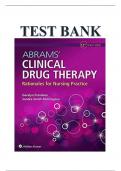
****INSTANT DOWNLOAD****PDF****Test Bank For Introductory Clinical Pharmacology 12th Edition By Susan Ford Chapter 1-54 | Complete Guide Newest Version 2023

Beoordeling
-
Verkocht
-
Pagina's
609
Cijfer
A+
Geüpload op
06-11-2025
Geschreven in
2025/2026

****INSTANT DOWNLOAD****PDF****Test Bank For Introductory Clinical Pharmacology 12th Edition By Susan Ford Chapter 1-54 | Complete Guide Newest Version 2023Test Bank For Introductory Clinical Pharmacology 12th Edition By Susan Ford Chap1. Which of the following reflects a nurse's responsibility when a drug is prescribed for a client? Select all that apply. A) Administering the drug to the client B) Monitoring for therapeutic response C) Checking for drug–drug interactions D) Reporting adverse reactions E) Teaching the client information needed to administer drugs safely at home Ans: A, B, D, E Feedback: When a drug is prescribed to a client, the nurse is responsible for the administration of the drug, monitoring for therapeutic effects, reporting adverse drug reactions, and teaching the client information needed to administer the drug safely at home. A pharmacist checks for drug–drug interactions prior to dispensing a drug for administration. 2. A group of nursing students are reviewing the concept known as the five + 1 rights of drug administration. The group demonstrates understanding of this concept when they identify which of the following as being included? Select all that apply. A) Right documentation B) Right patient C) Right route D) Right drug E) Right prescriber Ans: A, B, C, D Feedback: The five + 1 rights of drug administration include the following: right patient, right drug, right dose, right route, right time, and right documentation. NN Introductory Clinical Pharmacology Test Bank for Roach's By Ford MN RN CNE, Susan M TEST BANK With Rationale Page 2 3. Prior to administering a prescribed drug, the nurse correctly identifies the client by which method? Select all that apply. A) Checking a client's name on his or her wristband B) Checking a client's chart C) Asking the client to identify himself or herself and give his or her birth date D) Asking a client if he or she is the correct client E) Using a current picture of the client if available Ans: A, C, E Feedback: Client identifiers can include visual and verbal methods. Visual methods include use of a recent picture of the client or client wristband. Verbal methods include asking the client for his or her name and another unique identifier, such as his or her birth date. Never ask a client, “Are you Mr. Jones?” because some clients may respond by answering “yes” even though that is not their name due to confusion or difficulty hearing. Checking the client's chart would be inappropriate to use for identifying the client. 4. When completing the check to ensure that the right drug is being administered to the client, which of the following should the nurse compare? Select all that apply. A) Medication B) Container label C) Medication record D) MAR E) Nursing notes Ans: A, B, C, D Feedback: The nurse compares the medication, container label, and medication record and then the MAR as the item is removed from the cart and before the actual administration of the drug. 5. A nurse is reviewing the order for a medication. Which of the following must be included? Select all that apply. A) Client's name B) Drug name C) Dosage form D) Route of administration E) Frequency of administration Ans: A, B, C, D, E Feedback: A primary health care provider's order must include the client's name, the drug name, the dosage form and route, the dosage to be administered, and the frequency of administration. NN Introductory Clinical Pharmacology Test Bank for Roach's By Ford MN RN CNE, Susan M TEST BANK With Rationale Page 3 6. When a primary health care provider phones in a medication order for a client, the nurse should do which of the following? Select all that apply. A) Write down the order. B) Record the order as soon as the MAR is retrieved. C) Repeat back the information exactly as written. D) Clarify any unclear information. E) Obtain verbal confirmation that the information is correct. Ans: A, C, D, E Feedback: If a verbal order is given over the telephone, the nurse writes down the order immediately, repeats back the information exactly as written, and then asks for a verbal confirmation that it is correct. Any order that is unclear should be questioned and clarified. 7. A nurse is preparing to administer a prescribed drug. Which information about the drug would be most important for the nurse to know? Select all that apply. A) Normal dosage range B) Special precautions in administration C) Drug's most common adverse effects D) Drug's general action E) Reason for use of the drug Ans: A, B, C, D, E Feedback: The nurse must have factual knowledge of each drug given, the reason for use of the drug, the drug's general action, the more common adverse reactions associated with the drug, special precautions in administration (if any), and the normal dose ranges. 8. A nurse is reviewing the medical record of a client and notes the various orders for drug therapy. Which of the following would the nurse most likely expect to find? Select all that apply. A) Standing order B) STAT order C) Single order D) Alternate order E) PRN order Ans: A, B, C, E Feedback: Common orders given by health care providers for drug therapy include the standing order, the single order, the PRN order, and the STAT ordter 1-54 | Complete Guide Newest Version 2023Test Bank For Introductory Clinical Pharmacology 12th Edition By Susan Ford Chap1. Which of the following reflects a nurse's responsibility when a drug is prescribed for a client? Select all that apply. A) Administering the drug to the client B) Monitoring for therapeutic response C) Checking for drug–drug interactions D) Reporting adverse reactions E) Teaching the client information needed to administer drugs safely at home Ans: A, B, D, E Feedback: When a drug is prescribed to a client, the nurse is responsible for the administration of the drug, monitoring for therapeutic effects, reporting adverse drug reactions, and teaching the client information needed to administer the drug safely at home. A pharmacist checks for drug–drug interactions prior to dispensing a drug for administration. 2. A group of nursing students are reviewing the concept known as the five + 1 rights of drug administration. The group demonstrates understanding of this concept when they identify which of the following as being included? Select all that apply. A) Right documentation B) Right patient C) Right route D) Right drug E) Right prescriber Ans: A, B, C, D Feedback: The five + 1 rights of drug administration include the following: right patient, right drug, right dose, right route, right time, and right documentation. NN Introductory Clinical Pharmacology Test Bank for Roach's By Ford MN RN CNE, Susan M TEST BANK With Rationale Page 2 3. Prior to administering a prescribed drug, the nurse correctly identifies the client by which method? Select all that apply. A) Checking a client's name on his or her wristband B) Checking a client's chart C) Asking the client to identify himself or herself and give his or her birth date D) Asking a client if he or she is the correct client E) Using a current picture of the client if available Ans: A, C, E Feedback: Client identifiers can include visual and verbal methods. Visual methods include use of a recent picture of the client or client wristband. Verbal methods include asking the client for his or her name and another unique identifier, such as his or her birth date. Never ask a client, “Are you Mr. Jones?” because some clients may respond by answering “yes” even though that is not their name due to confusion or difficulty hearing. Checking the client's chart would be inappropriate to use for identifying the client. 4. When completing the check to ensure that the right drug is being administered to the client, which of the following should the nurse compare? Select all that apply. A) Medication B) Container label C) Medication record D) MAR E) Nursing notes Ans: A, B, C, D Feedback: The nurse compares the medication, container label, and medication record and then the MAR as the item is removed from the cart and before the actual administration of the drug. 5. A nurse is reviewing the order for a medication. Which of the following must be included? Select all that apply. A) Client's name B) Drug name C) Dosage form D) Route of administration E) Frequency of administration Ans: A, B, C, D, E Feedback: A primary health care provider's order must include the client's name, the drug name, the dosage form and route, the dosage to be administered, and the frequency of administration. NN Introductory Clinical Pharmacology Test Bank for Roach's By Ford MN RN CNE, Susan M TEST BANK With Rationale Page 3 6. When a primary health care provider phones in a medication order for a client, the nurse should do which of the following? Select all that apply. A) Write down the order. B) Record the order as soon as the MAR is retrieved. C) Repeat back the information exactly as written. D) Clarify any unclear information. E) Obtain verbal confirmation that the information is correct. Ans: A, C, D, E Feedback: If a verbal order is given over the telephone, the nurse writes down the order immediately, repeats back the information exactly as written, and then asks for a verbal confirmation that it is correct. Any order that is unclear should be questioned and clarified. 7. A nurse is preparing to administer a prescribed drug. Which information about the drug would be most important for the nurse to know? Select all that apply. A) Normal dosage range B) Special precautions in administration C) Drug's most common adverse effects D) Drug's general action E) Reason for use of the drug Ans: A, B, C, D, E Feedback: The nurse must have factual knowledge of each drug given, the reason for use of the drug, the drug's general action, the more common adverse reactions associated with the drug, special precautions in administration (if any), and the normal dose ranges. 8. A nurse is reviewing the medical record of a client and notes the various orders for drug therapy. Which of the following would the nurse most likely expect to find? Select all that apply. A) Standing order B) STAT order C) Single order D) Alternate order E) PRN order Ans: A, B, C, E Feedback: Common orders given by health care providers for drug therapy include the standing order, the single order, the PRN order, and the STAT ordter 1-54 | Complete Guide Newest Version 2023Test Bank For Introductory Clinical Pharmacology 12th Edition By Susan Ford Chap1. Which of the following reflects a nurse's responsibility when a drug is prescribed for a client? Select all that apply. A) Administering the drug to the client B) Monitoring for therapeutic response C) Checking for drug–drug interactions D) Reporting adverse reactions E) Teaching the client information needed to administer drugs safely at home Ans: A, B, D, E Feedback: When a drug is prescribed to a client, the nurse is responsible for the administration of the drug, monitoring for therapeutic effects, reporting adverse drug reactions, and teaching the client information needed to administer the drug safely at home. A pharmacist checks for drug–drug interactions prior to dispensing a drug for administration. 2. A group of nursing students are reviewing the concept known as the five + 1 rights of drug administration. The group demonstrates understanding of this concept when they identify which of the following as being included? Select all that apply. A) Right documentation B) Right patient C) Right route D) Right drug E) Right prescriber Ans: A, B, C, D Feedback: The five + 1 rights of drug administration include the following: right patient, right drug, right dose, right route, right time, and right documentation. NN Introductory Clinical Pharmacology Test Bank for Roach's By Ford MN RN CNE, Susan M TEST BANK With Rationale Page 2 3. Prior to administering a prescribed drug, the nurse correctly identifies the client by which method? Select all that apply. A) Checking a client's name on his or her wristband B) Checking a client's chart C) Asking the client to identify himself or herself and give his or her birth date D) Asking a client if he or she is the correct client E) Using a current picture of the client if available Ans: A, C, E Feedback: Client identifiers can include visual and verbal methods. Visual methods include use of a recent picture of the client or client wristband. Verbal methods include asking the client for his or her name and another unique identifier, such as his or her birth date. Never ask a client, “Are you Mr. Jones?” because some clients may respond by answering “yes” even though that is not their name due to confusion or difficulty hearing. Checking the client's chart would be inappropriate to use for identifying the client. 4. When completing the check to ensure that the right drug is being administered to the client, which of the following should the nurse compare? Select all that apply. A) Medication B) Container label C) Medication record D) MAR E) Nursing notes Ans: A, B, C, D Feedback: The nurse compares the medication, container label, and medication record and then the MAR as the item is removed from the cart and before the actual administration of the drug. 5. A nurse is reviewing the order for a medication. Which of the following must be included? Select all that apply. A) Client's name B) Drug name C) Dosage form D) Route of administration E) Frequency of administration Ans: A, B, C, D, E Feedback: A primary health care provider's order must include the client's name, the drug name, the dosage form and route, the dosage to be administered, and the frequency of administration. NN Introductory Clinical Pharmacology Test Bank for Roach's By Ford MN RN CNE, Susan M TEST BANK With Rationale Page 3 6. When a primary health care provider phones in a medication order for a client, the nurse should do which of the following? Select all that apply. A) Write down the order. B) Record the order as soon as the MAR is retrieved. C) Repeat back the information exactly as written. D) Clarify any unclear information. E) Obtain verbal confirmation that the information is correct. Ans: A, C, D, E Feedback: If a verbal order is given over the telephone, the nurse writes down the order immediately, repeats back the information exactly as written, and then asks for a verbal confirmation that it is correct. Any order that is unclear should be questioned and clarified. 7. A nurse is preparing to administer a prescribed drug. Which information about the drug would be most important for the nurse to know? Select all that apply. A) Normal dosage range B) Special precautions in administration C) Drug's most common adverse effects D) Drug's general action E) Reason for use of the drug Ans: A, B, C, D, E Feedback: The nurse must have factual knowledge of each drug given, the reason for use of the drug, the drug's general action, the more common adverse reactions associated with the drug, special precautions in administration (if any), and the normal dose ranges. 8. A nurse is reviewing the medical record of a client and notes the various orders for drug therapy. Which of the following would the nurse most likely expect to find? Select all that apply. A) Standing order B) STAT order C) Single order D) Alternate order E) PRN order Ans: A, B, C, E Feedback: Common orders given by health care providers for drug therapy include the standing order, the single order, the PRN order, and the STAT ordter 1-54 | Complete Guide Newest Version 2023

Meer zien Lees minder
Instelling
Introductory Clinical Pharmacology
Vak
Introductory Clinical Pharmacology

Voorbeeld van de inhoud

Test Bank For Introductory Clinical Pharmacology
v v v v v


12th Edition By Susan Ford
v v v v v


Chapter1 - 54 | Complete
v v v v v

, Introductory Clinical Pharmacology 12th Edition Susan Ford Nursing Test Bank v v v v v v v v v


Contents
Unit 1 Nursing Foundation of Clinical Pharmacology
v v v v v v


1 General Principles of Pharmacology
v v v v


2 Administration of Drugs
v v v


3 Making Drug Dosing Safer
v v v v


4 The NursingProcess
v v v


5 Client and FamilyTeaching
v v v v


Unit 2 Drugs Used to Fight Infections
v v v v v v


6 Antibacterial Drugs: Sulfonamides
v v v


7 Antibacterial Drugs That Disrupt the Bacterial Cell Wall
v v v v v v v v


8 Antibacterial Drugs That Interfere With Protein Synthesis
v v v v v v v


9 Antibacterial Drugs That Interfere With DNA/RNA Synthesis
v v v v v v v


10 Antitubercular Drugs
v v


11 Antiviral Drugs
v v


12 Antifungal and Antiparasitic Drugs
v v v v


Unit 3 Drugs Used to Manage Pain
v v v v v v


13 Nonopioid Analgesics: Salicylates and Nonsalicylates
v v v v v


14 Nonopioid Analgesics: Nonsteroidal Anti-inflammatoryDrugs and Migraine Headache
v v v v v v v v


Medications
15 Opioid Analgesics and Antagonists
v v v v


16 Anesthetic Drugs
v v


Unit 4 Drugs That Affect the Central Nervous System
v v v v v v v v


17 Central Nervous System Stimulants
v v v v


18 Antidementia Drugs
v v


19 AntianxietyDrugs
v v


20 Sedatives and Hypnotics
v v v


21 Antidepressant Drugs
v v


22 Antipsychotic Drug
v v


Unit 5 Drugs That Affect the Peripheral Nervous System
v v v v v v v v


23 Adrenergic Drugs
v v


24 Adrenergic Blocking Drugs
v v v


25 Cholinergic Drugs
v v


26 Cholinergic Blocking Drugs
v v v


Unit 6 Drugs That Affect the Neuromuscular System
v v v v v v v


27 Antiparkinson Drugs
v v


28 Antiepileptics
v

,29 Skeletal Muscle, Bone, and Joint Disorder Drugs
v v v v v v v


Unit 7 Drugs That Affect the Respiratory System
v v v v v v v


30 Upper RespiratorySystem Drugs
v v v v


31 Lower RespiratorySystem Drugs
v v v v


Unit 8 Drugs That Affect the Cardiovascular System
v v v v v v v


32 Diuretics
v


33AntihyperlipidemicDrugs
v v


34 Antihypertensive Drugs
v v


35 Antianginal and VasodilatingDrugs
v v v v


36 Anticoagulant and Thrombolytic Drugs
v v v v


37 Cardiotonic and Antiarrhythmic Drugs
v v v v


Unit 9 Drugs That Affect the Gastrointestinal System
v v v v v v v


38 Upper Gastrointestinal System Drugs
v v v v


39 Lower Gastrointestinal System Drug
v v v v


Unit 10 Drugs That Affect the Endocrine System
v v v v v v v


40 Antidiabetic Drugs
v v


41 Pituitaryand Adrenocortical Hormones
v v v v


42 Thyroid and Antithyroid Drugs
v v v v


43 Male and Female Hormones
v v v v


44 Uterine Drugs
v v


Unit 11 Drugs That Affect the Urinary System
v v v v v v v


45 Menopause and Andropause Drugs
v v v v


46 UrinaryTract Anti-Infectives and Other Urinary Drugs
v v v v v v v


Unit 12 Drugs That Affect the Immune System
v v v v v v v


47 Vaccines
v


48 Immunostimulants and Immunomodulators
v v v


49 Immune Blockers
v v


Unit 13 Drugs That Fight Cancer
v v v v v


50 Traditional Chemotherapy
v v


51 Immune Modulating Therapies
v v v


Unit 14 Drugs That Affect Other Body Systems
v v v v v v v


52 Skin Disorder Topical Drugs
v v v v


53 Otic and Ophthalmic Preparations
v v v v


54 Fluids, Electrolytes, and Parenteral Therapy
v v v v

, 1General Principles of Pharmacology
v v v v


A nursing instructor is preparing a teaching plan for a group of nursing students about
v v v v v v v v v v v v v v


pharmacology. When describingthis topic, the instructor would focus the discussion on
v v v v v v v v v v v v


which of the following as an essential aspect?
v v v v v v v v


A) Drugname v


B) Drugclass v


C) Drugaction v


D) Drug source v


ANSWER: C
v v


Feedback:
v


Pharmacology is the study of drugs and their action on living organisms. Thus, an essential v v v v v v v v v v v v v v


aspect of pharmacologyis drug action. An understanding of the drug name,drug class, and
v v v v v v v v v v v v v v v


drug source is important, but the most critical aspect related to pharmacologyis how the
v v v v v v v v v v v v v v v


drug acts in the body.
v v v v v


2. A nursing student is preparing to administer a prescribed drug to a patient. The student reviews
v v v v v v v v v v v v v v v


information about the drug and its actions. Which of the following would be thebest choice for
v v v v v v v v v v v v v v v v v


obtaining this information? Select all that apply.
v v v v v v v


A) Nursinginstructor v


B) Nurse assigned to the patient v v v v


C) Clinical drugreference v v


D) Prescribinghealth care provider v v v


E) Clinical pharmacist v


ANSWER: C, E
v v v


Feedback:
Although the nursing student can ask the nursing instructor, the nurse assigned to the patient,
v v v v v v v v v v v v v v


and the prescribing health care provider for information about the drug, the bestchoices for
v v v v v v v v v v v v v v v


drug information would include an appropriate drug reference and the clinical pharmacist.
v v v v v v v v v v v v


3. When describing the various types of medications to a group of nursing students, a
v v v v v v v v v v v v v


nursing instructor would identify which of the following as a source for deriving
v v v v v v v v v v v v v


medications? Select all that apply.
v v v v v


A) Plants
B) Synthetic sources v


C) Mold
D) Minerals
E) Animals
ANSWER: A, B, C,
v v v v


D, EFeedback:
v v v


Medications are derived from natural sources, for example, plants, molds,minerals, and v v v v v v v v v v v


animals, as well as created syntheticallyin a laboratory.
v v v v v v v v v

Gekoppeld boek

Geschreven voor

Instelling
Introductory Clinical Pharmacology
Vak
Introductory Clinical Pharmacology

Documentinformatie

Geüpload op
6 november 2025
Aantal pagina's
609
Geschreven in
2025/2026
Type
Tentamen (uitwerkingen)
Bevat
Vragen en antwoorden

Onderwerpen

€14,82
Krijg toegang tot het volledige document:

100% tevredenheidsgarantie
Direct beschikbaar na je betaling
Lees online óf als PDF
Geen vaste maandelijkse kosten

Maak kennis met de verkoper
Seller avatar
WISDOMSHUB

Maak kennis met de verkoper

Seller avatar
WISDOMSHUB Chamberlain College Nursing
Volgen Je moet ingelogd zijn om studenten of vakken te kunnen volgen
Verkocht
1
Lid sinds
4 maanden
Aantal volgers
1
Documenten
280
Laatst verkocht
2 maanden geleden
WISDOMSHUB

Nursing Being my main profession line, My mission is to be your LIGHT in the dark. If you\'re worried or having trouble in nursing school, I really want my notes to be your guide! I know they have helped countless others get through and that\'s all I want for YOU!

0,0

0 beoordelingen

5
0
4
0
3
0
2
0
1
0

Recent door jou bekeken

Waarom studenten kiezen voor Stuvia

Gemaakt door medestudenten, geverifieerd door reviews

Kwaliteit die je kunt vertrouwen: geschreven door studenten die slaagden en beoordeeld door anderen die dit document gebruikten.

Niet tevreden? Kies een ander document

Geen zorgen! Je kunt voor hetzelfde geld direct een ander document kiezen dat beter past bij wat je zoekt.

Betaal zoals je wilt, start meteen met leren

Geen abonnement, geen verplichtingen. Betaal zoals je gewend bent via iDeal of creditcard en download je PDF-document meteen.

Student with book image

“Gekocht, gedownload en geslaagd. Zo makkelijk kan het dus zijn.”

Alisha Student

Veelgestelde vragen