EMT Basic Level Study Guide Cheat Sheet & Multiple Choice Test
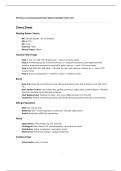
Cheat Sheet
Waiting Room Criteria
• BP: 100-180 Systolic / 60-100 Diastolic
• HR: 60-100
• RR: 10-20
• Pulse Ox: >94%
• Mental Status: A&Ox4
Trauma Field Triage
• Step 1: GCS ≤13, SBP <90, RR abnormal → Level 1/2 trauma center
• Step 2: Penetrating injuries to head/neck/torso, 2+ long bone fractures, open/depressed skull
fracture, amputation proximal to wrist/ankle, pelvic fracture → Level 1/2 trauma center
• Step 3: High MOI (fall >20ft adult, >10ft child, 40 mph crash, ejection, rollover, etc.) → Level 1/2/3
trauma center
• Step 4: Special considerations → Pediatric trauma → Pediatric center
Burns
• Rule of 9s: Head 9%, Arms 9% each, Legs 18% each, Anterior trunk 18%, Posterior trunk 18%, Groin
1%
• Burn Center Criteria: Face, hands, feet, genitals, perineum, major joints, 2nd/3rd degree >10% BSA,
electrical, chemical, circumferential, inhalation
• Fluid Replacement: Parkland Formula = 4ml x kg x %BSA burned (1/2 in first 8h)
• Treatment: Remove smouldering clothing, dry sterile dressing, elevate extremity, no ice/ointment
Allergic Reactions
• Mild: Skin rashes, hives
• Moderate: Skin + some respiratory involvement, maintain tidal volume
• Severe: Respiratory difficulty, hypotension
Shock
• Hypovolemic: Hemorrhage, trauma, fluid loss
• Cardiogenic: Heart failure, MI, cardiomyopathy, myocardial contusion
• Distributive: Sepsis, anaphylaxis, neurogenic, toxins
• Obstructive: Pulmonary embolus, cardiac tamponade
Cardiac Arrest
• Pulse checks: every 2 minutes
1
Cheat Sheet
Waiting Room Criteria
• BP: 100-180 Systolic / 60-100 Diastolic
• HR: 60-100
• RR: 10-20
• Pulse Ox: >94%
• Mental Status: A&Ox4
Trauma Field Triage
• Step 1: GCS ≤13, SBP <90, RR abnormal → Level 1/2 trauma center
• Step 2: Penetrating injuries to head/neck/torso, 2+ long bone fractures, open/depressed skull
fracture, amputation proximal to wrist/ankle, pelvic fracture → Level 1/2 trauma center
• Step 3: High MOI (fall >20ft adult, >10ft child, 40 mph crash, ejection, rollover, etc.) → Level 1/2/3
trauma center
• Step 4: Special considerations → Pediatric trauma → Pediatric center
Burns
• Rule of 9s: Head 9%, Arms 9% each, Legs 18% each, Anterior trunk 18%, Posterior trunk 18%, Groin
1%
• Burn Center Criteria: Face, hands, feet, genitals, perineum, major joints, 2nd/3rd degree >10% BSA,
electrical, chemical, circumferential, inhalation
• Fluid Replacement: Parkland Formula = 4ml x kg x %BSA burned (1/2 in first 8h)
• Treatment: Remove smouldering clothing, dry sterile dressing, elevate extremity, no ice/ointment
Allergic Reactions
• Mild: Skin rashes, hives
• Moderate: Skin + some respiratory involvement, maintain tidal volume
• Severe: Respiratory difficulty, hypotension
Shock
• Hypovolemic: Hemorrhage, trauma, fluid loss
• Cardiogenic: Heart failure, MI, cardiomyopathy, myocardial contusion
• Distributive: Sepsis, anaphylaxis, neurogenic, toxins
• Obstructive: Pulmonary embolus, cardiac tamponade
Cardiac Arrest
• Pulse checks: every 2 minutes
1