Employers Liability
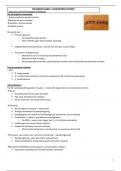
Under a duty to keep employees safe and for torts committed by employee
Owes a personal duty to employees to keep their personal safety at work
Can be liable for a employees tort even if you are totally blameless – vicarious liability
An employer’s liability in tort typically arises in one of three ways:
1) An employer owes a non-delegable common law duty of care to their employees
and therefore may be personally liable for harm caused to their employees;
2) An employer may also be liable in the tort of breach of statutory duty, which
enables a claimant in certain circumstances to recover compensation for losses
caused by the defendant’s failure to comply with a statutory obligation;
3) An employer may also be liable vicariously for injuries caused by an employee’s
tort committed in the course of their employment.
Workplace mitigation takes up a lot of work place claims
Most of these claims don’t reach court and are settled outside
Employers liability Act 1969 for employers to insure against workplace accidents
Under this act of parliament employers are forced by law to take out insurance
Aim is to provide redress and damaged for people who have been wronged
An employer’s personal non delegable duty of care
Historically it was extremely difficult for employees to claim in tort against your employer
Contributory negligence – before 1945 it was a complete defence – bear in mind that
historically employers could get out of it
Forced judges to mitigate the harshness of this approach by the mid 20 th C it was much
easier for employees to bring a claim against the employer than other types of victims
An employer has a personal duty of care that requires an employer to make sure
reasonable care is taken. It is non-delegable and it is not enough for the employer to take
reasonable measures to attempt to see that reasonable care is taken they have to ensure
reasonable care IS taken
In practice this means an employer is going to liable if those in power have failed to respect
employees reasonable safety
Wilson & Clyde Coal Co Ltd v English [1938] AC 57 (HL) (Minor crushed in an accident as he
was travelling through the pit at the end of the day as it was set in motion. When employees
are leaving you should not set them in motion. Failed to provide reasonable d=safety at
work. Mine owners said they had met the reasonable duty as it was the manager’s fault and
the mine workers should sue the manager and not the company HoL unanimously rejected
the employer’s argument. Obligation is fulfilled by the exercise of due care and skill. You
have to make sure it is actually met because the manager had failed to ensure the safety the
employer was liable).
Injured employee brought a case against the company who owned the mine. There
is an overlap between this duty and vicarious liability.
Reason why is because here in Wilson the victim could not use the ground of
vicarious liability due to a now abolished doctrine of employment. Under this
doctrine an employee could not sue an employer for an injury caused by another
employee.
Duty towards the employee from the employer does not need to be a physical one it
can be economic wellbeing or psychiatric.
There is one duty of care and these are the things that come under it
, The doctrine of ‘common employment’ was abolished in 1948
Common employment was an historical defence in English tort law that said
workers implicitly undertook the risks of being injured by their co-workers, with
whom they were in "common employment"
The operation of the doctrine was seen first in Priestly v Fowler
An employer’s non-delegable duty is typically said to have four components:
1) A competent workforce;
2) Adequate material and equipment;
3) A safe system of working (including effective supervision);
4) A safe workplace.
1) Competent workforce:
An employer owes their employees a duty to ensure that they employ competent
colleagues, including effective supervision and training.
Hudson v Ridge Manufacturing [1957] 2 QB 348 (Manchester Assizes)
Involved an employee who was injured when a colleague who had a rep for being a practical
joker tripped him up because it would be funny. Although this joker had already been told
by his manager, the court held that given the seriousness of his conduct the employer
should have done more than just say here is a verbal warning. Failure to do so meant they
were in breach.
An employer may be liable under this personal duty and vicarious if they fail to not expose
their employees to bullying etc. they cannot just try their best to stop it they have to actually
stop it
Waters V Commissioner of Police for the Metropolis (A policewoman, having made a
complaint of serious sexual assault against a fellow officer complained again that the
Commissioner had failed to protect her against retaliatory assaults. Her claim was struck out,
but restored on appeal. Her claim was arguable. It was possible that the Commissioner owed
to her a similar duty as would any other employer by virtue of the section. The protection
given to the police against owing a duty of care did not apply here. She was not suing as a
member of the public. ‘it is clear, or at the least arguable, that duties analogous to those
owed to an employee are owed to officers in the police service’. And ‘If an employer knows
that acts being done by employees during their employment may cause physical or mental
harm to a particular fellow employee and he does nothing to supervise or prevent such acts,
when it is in his power to do so, it is clearly arguable that he may be in breach of his duty to
that employee. It seems to me that he may also be in breach of that duty if he can foresee
that such acts may happen and, if they do, that physical or mental harm may be caused to an
individual.’)
Note the breadth of this duty
This aspect of an employer’s duty is useful where they are not vicariously liable
An employer may find themselves personally (as well as vicariously) liable should they fail in
relation to their duty not to expose their employees to bullying, victimisation or harassment
by their fellow employees.
2) Adequate material and equipment
Under a duty to keep employees safe and for torts committed by employee
Owes a personal duty to employees to keep their personal safety at work
Can be liable for a employees tort even if you are totally blameless – vicarious liability
An employer’s liability in tort typically arises in one of three ways:
1) An employer owes a non-delegable common law duty of care to their employees
and therefore may be personally liable for harm caused to their employees;
2) An employer may also be liable in the tort of breach of statutory duty, which
enables a claimant in certain circumstances to recover compensation for losses
caused by the defendant’s failure to comply with a statutory obligation;
3) An employer may also be liable vicariously for injuries caused by an employee’s
tort committed in the course of their employment.
Workplace mitigation takes up a lot of work place claims
Most of these claims don’t reach court and are settled outside
Employers liability Act 1969 for employers to insure against workplace accidents
Under this act of parliament employers are forced by law to take out insurance
Aim is to provide redress and damaged for people who have been wronged
An employer’s personal non delegable duty of care
Historically it was extremely difficult for employees to claim in tort against your employer
Contributory negligence – before 1945 it was a complete defence – bear in mind that
historically employers could get out of it
Forced judges to mitigate the harshness of this approach by the mid 20 th C it was much
easier for employees to bring a claim against the employer than other types of victims
An employer has a personal duty of care that requires an employer to make sure
reasonable care is taken. It is non-delegable and it is not enough for the employer to take
reasonable measures to attempt to see that reasonable care is taken they have to ensure
reasonable care IS taken
In practice this means an employer is going to liable if those in power have failed to respect
employees reasonable safety
Wilson & Clyde Coal Co Ltd v English [1938] AC 57 (HL) (Minor crushed in an accident as he
was travelling through the pit at the end of the day as it was set in motion. When employees
are leaving you should not set them in motion. Failed to provide reasonable d=safety at
work. Mine owners said they had met the reasonable duty as it was the manager’s fault and
the mine workers should sue the manager and not the company HoL unanimously rejected
the employer’s argument. Obligation is fulfilled by the exercise of due care and skill. You
have to make sure it is actually met because the manager had failed to ensure the safety the
employer was liable).
Injured employee brought a case against the company who owned the mine. There
is an overlap between this duty and vicarious liability.
Reason why is because here in Wilson the victim could not use the ground of
vicarious liability due to a now abolished doctrine of employment. Under this
doctrine an employee could not sue an employer for an injury caused by another
employee.
Duty towards the employee from the employer does not need to be a physical one it
can be economic wellbeing or psychiatric.
There is one duty of care and these are the things that come under it
, The doctrine of ‘common employment’ was abolished in 1948
Common employment was an historical defence in English tort law that said
workers implicitly undertook the risks of being injured by their co-workers, with
whom they were in "common employment"
The operation of the doctrine was seen first in Priestly v Fowler
An employer’s non-delegable duty is typically said to have four components:
1) A competent workforce;
2) Adequate material and equipment;
3) A safe system of working (including effective supervision);
4) A safe workplace.
1) Competent workforce:
An employer owes their employees a duty to ensure that they employ competent
colleagues, including effective supervision and training.
Hudson v Ridge Manufacturing [1957] 2 QB 348 (Manchester Assizes)
Involved an employee who was injured when a colleague who had a rep for being a practical
joker tripped him up because it would be funny. Although this joker had already been told
by his manager, the court held that given the seriousness of his conduct the employer
should have done more than just say here is a verbal warning. Failure to do so meant they
were in breach.
An employer may be liable under this personal duty and vicarious if they fail to not expose
their employees to bullying etc. they cannot just try their best to stop it they have to actually
stop it
Waters V Commissioner of Police for the Metropolis (A policewoman, having made a
complaint of serious sexual assault against a fellow officer complained again that the
Commissioner had failed to protect her against retaliatory assaults. Her claim was struck out,
but restored on appeal. Her claim was arguable. It was possible that the Commissioner owed
to her a similar duty as would any other employer by virtue of the section. The protection
given to the police against owing a duty of care did not apply here. She was not suing as a
member of the public. ‘it is clear, or at the least arguable, that duties analogous to those
owed to an employee are owed to officers in the police service’. And ‘If an employer knows
that acts being done by employees during their employment may cause physical or mental
harm to a particular fellow employee and he does nothing to supervise or prevent such acts,
when it is in his power to do so, it is clearly arguable that he may be in breach of his duty to
that employee. It seems to me that he may also be in breach of that duty if he can foresee
that such acts may happen and, if they do, that physical or mental harm may be caused to an
individual.’)
Note the breadth of this duty
This aspect of an employer’s duty is useful where they are not vicariously liable
An employer may find themselves personally (as well as vicariously) liable should they fail in
relation to their duty not to expose their employees to bullying, victimisation or harassment
by their fellow employees.
2) Adequate material and equipment