Summary - Reader Psychotherapy
(2025-2026)
Gedownload door: ikarumba316 | € 912 per jaar
Dit document is auteursrechtelijk beschermd, het verspreiden van dit document is strafbaar. extra verdienen?
,Summary Reader Psychotherapy (2019-2020)
PSBDH50E
Psychology
Radboud University
Nijmegen
Gedownload door: ikarumba316 | € 912 per jaar
Dit document is auteursrechtelijk beschermd, het verspreiden van dit document is strafbaar. extra verdienen?
, Summary
Reader Psychotherapy (2019 – 2020)
Table of contents
1 | Introduction and the importance of scientific research....................................................................3
2 | Major psychotherapy schools and several additional common psychotherapy forms...................11
2A | Psychodynamic psychotherapy.....................................................................................................13
Chapter 1: Psychodynamic Psychiatry in Clinical Practice.............................................................13
Chapter 2: The Theoretical Basis of Dynamic Psychiatry..............................................................16
2B | Behaviour therapy........................................................................................................................20
Article 6: Craske, M.G. (2016)...........................................................................................................24
Article 7: Craske, M.G. (2016)...........................................................................................................28
2C | Cognitive therapy..........................................................................................................................32
Article 8: Neenan, M. & Dryden, W. (2011)......................................................................................32
2D | Person (client) centred (humanistic) psychotherapy....................................................................37
Article 9: Rogers, C.R. (1990)............................................................................................................37
Article 10: Kirschenbaum, H. & Jourdan, A. (2005)...........................................................................39
2E | Couple and systems therapy.........................................................................................................40
Article 11: Nichols, M.P. & Schwartz, R.C. (2008).............................................................................40
2F | Group therapy...............................................................................................................................44
Article 12: Wolters, R.J. (2012).........................................................................................................44
3 | The importance of scientific research, empirically-supported treatments and common factors. . .52
Article 13: Keijsers, G.J.P. & Verbraak, M.G.J.P. (2018)....................................................................52
Article 14: Keijsers, G.J.P., Vossen, C.J.C. & Keijsers, L.A.H (2013)....................................................56
Article 15: Rizvi, S.L., Steffel, L.M., & Carson-Wong, A. (2013).........................................................64
Article 16: Sempertegui, G.A., Karreman, A., Arntz, A., & Bekker, M.H.J. (2013)..............................65
2
Gedownload door: ikarumba316 | € 912 per jaar
Dit document is auteursrechtelijk beschermd, het verspreiden van dit document is strafbaar. extra verdienen?
, Summary
Reader Psychotherapy (2019 – 2020)
1 | Introduction and the importance of scientific research
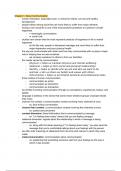
Article 1: Garb, H.N., & Boyle, P.A. (2003). Understanding why some clinicians
use pseudoscientific methods. Findings from research on clinical judgement. In S.O.
Lilienfeld, S.J. Lyn, & J.M. Lohr (Eds.), Science and pseudoscience in clinical
psychology (pp. 17-32). New York: Guilford Press.
Description
This is an important paper, arguing that therapists are not very accurate in their
diagnostic and psychotherapeutic evaluations. In this, they are not unique. It always
turns out, also in other client-oriented professions, that evaluations made by a
professional assessors on the basis of interviews or conversations are less accurate
than evaluations based on calculations with the help of adequate measurements.
Summary
If pseudoscientific methods are not valid, then why are grand claims made for them
and why do some clinicians think that they are valid? There are many reasons, some
reasons may apply to some clinicians but not to others.
1. If one develops a new assessment instrument or treatment interventions, here
are personal and financial reasons for believing in, and overstating, the value
of one’s product.
2. Once grand claims have been made, clinicians may use an assessment or
treatment intervention to see if it works. After all, if it is really a great
assessment instrument or treatment intervention, then it would be
irresponsible not to use it.
However, once clinicians use pseudoscientific methods with client, why do they
not see that they are invalid and ineffective?
Purpose of the chapter: to explain why it can be difficult to learn from clinical
experience.
The value of clinical experience and training
- Experienced clinicians: are presumed to make more accurate and valid
assessment of personality and psychopathology than novice clinicians.
- Presumed experts: assumed to be more competent providers of psychological
interventions than other clinicians.
Psychology training programs adhere to these assumptions. Common
supervisory practices emphasize the value of experience in the development
of competent clinicians.
The inherent message to mental health trainees is that clinical acumen develops over
time and with increased exposure to various patients and presenting problems.
Despite common lore, a large body of research contradicts the popular belief that
experience and clinical competence are positively related. Research suggests that it
is very difficult for mental health workers to just learn from experience. Numerous
studies investigating clinical judgment have demonstrated that when clinicians are
given identical sets of informational, experienced clinicians are no more accurate
than less experienced clinicians.
3
Gedownload door: ikarumba316 | € 912 per jaar
Dit document is auteursrechtelijk beschermd, het verspreiden van dit document is strafbaar. extra verdienen?
(2025-2026)
Gedownload door: ikarumba316 | € 912 per jaar
Dit document is auteursrechtelijk beschermd, het verspreiden van dit document is strafbaar. extra verdienen?
,Summary Reader Psychotherapy (2019-2020)
PSBDH50E
Psychology
Radboud University
Nijmegen
Gedownload door: ikarumba316 | € 912 per jaar
Dit document is auteursrechtelijk beschermd, het verspreiden van dit document is strafbaar. extra verdienen?
, Summary
Reader Psychotherapy (2019 – 2020)
Table of contents
1 | Introduction and the importance of scientific research....................................................................3
2 | Major psychotherapy schools and several additional common psychotherapy forms...................11
2A | Psychodynamic psychotherapy.....................................................................................................13
Chapter 1: Psychodynamic Psychiatry in Clinical Practice.............................................................13
Chapter 2: The Theoretical Basis of Dynamic Psychiatry..............................................................16
2B | Behaviour therapy........................................................................................................................20
Article 6: Craske, M.G. (2016)...........................................................................................................24
Article 7: Craske, M.G. (2016)...........................................................................................................28
2C | Cognitive therapy..........................................................................................................................32
Article 8: Neenan, M. & Dryden, W. (2011)......................................................................................32
2D | Person (client) centred (humanistic) psychotherapy....................................................................37
Article 9: Rogers, C.R. (1990)............................................................................................................37
Article 10: Kirschenbaum, H. & Jourdan, A. (2005)...........................................................................39
2E | Couple and systems therapy.........................................................................................................40
Article 11: Nichols, M.P. & Schwartz, R.C. (2008).............................................................................40
2F | Group therapy...............................................................................................................................44
Article 12: Wolters, R.J. (2012).........................................................................................................44
3 | The importance of scientific research, empirically-supported treatments and common factors. . .52
Article 13: Keijsers, G.J.P. & Verbraak, M.G.J.P. (2018)....................................................................52
Article 14: Keijsers, G.J.P., Vossen, C.J.C. & Keijsers, L.A.H (2013)....................................................56
Article 15: Rizvi, S.L., Steffel, L.M., & Carson-Wong, A. (2013).........................................................64
Article 16: Sempertegui, G.A., Karreman, A., Arntz, A., & Bekker, M.H.J. (2013)..............................65
2
Gedownload door: ikarumba316 | € 912 per jaar
Dit document is auteursrechtelijk beschermd, het verspreiden van dit document is strafbaar. extra verdienen?
, Summary
Reader Psychotherapy (2019 – 2020)
1 | Introduction and the importance of scientific research
Article 1: Garb, H.N., & Boyle, P.A. (2003). Understanding why some clinicians
use pseudoscientific methods. Findings from research on clinical judgement. In S.O.
Lilienfeld, S.J. Lyn, & J.M. Lohr (Eds.), Science and pseudoscience in clinical
psychology (pp. 17-32). New York: Guilford Press.
Description
This is an important paper, arguing that therapists are not very accurate in their
diagnostic and psychotherapeutic evaluations. In this, they are not unique. It always
turns out, also in other client-oriented professions, that evaluations made by a
professional assessors on the basis of interviews or conversations are less accurate
than evaluations based on calculations with the help of adequate measurements.
Summary
If pseudoscientific methods are not valid, then why are grand claims made for them
and why do some clinicians think that they are valid? There are many reasons, some
reasons may apply to some clinicians but not to others.
1. If one develops a new assessment instrument or treatment interventions, here
are personal and financial reasons for believing in, and overstating, the value
of one’s product.
2. Once grand claims have been made, clinicians may use an assessment or
treatment intervention to see if it works. After all, if it is really a great
assessment instrument or treatment intervention, then it would be
irresponsible not to use it.
However, once clinicians use pseudoscientific methods with client, why do they
not see that they are invalid and ineffective?
Purpose of the chapter: to explain why it can be difficult to learn from clinical
experience.
The value of clinical experience and training
- Experienced clinicians: are presumed to make more accurate and valid
assessment of personality and psychopathology than novice clinicians.
- Presumed experts: assumed to be more competent providers of psychological
interventions than other clinicians.
Psychology training programs adhere to these assumptions. Common
supervisory practices emphasize the value of experience in the development
of competent clinicians.
The inherent message to mental health trainees is that clinical acumen develops over
time and with increased exposure to various patients and presenting problems.
Despite common lore, a large body of research contradicts the popular belief that
experience and clinical competence are positively related. Research suggests that it
is very difficult for mental health workers to just learn from experience. Numerous
studies investigating clinical judgment have demonstrated that when clinicians are
given identical sets of informational, experienced clinicians are no more accurate
than less experienced clinicians.
3
Gedownload door: ikarumba316 | € 912 per jaar
Dit document is auteursrechtelijk beschermd, het verspreiden van dit document is strafbaar. extra verdienen?