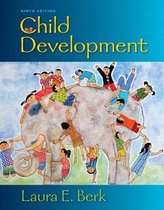
Test Bank For Child Development 9th Edition
lo lo lo lo lo lo
by Laura E. Berk Chapters 1 - 15
lo lo lo lo lo lo lo lo
,Test Bank For Child Development 9th Edition by Laura E. Berk
lo lo lo lo lo lo lo lo lo lo
Table of Contents
lo lo
Part I: Theory and Research in Child Development
lo lo lo lo lo lo lo
Chapter 1 History, Theory, and Applied Directions
lo lo lo lo lo lo
Chapter 2 Research Strategies
lo lo lo
Part II: Foundations of Development
lo lo lo lo
Chapter 3 Biological Foundations, Prenatal Development, and Birth
lo lo lo lo lo lo lo
Chapter 4 Infancy: Early Learning, Motor Skills, and Perceptual Capacities
lo lo lo lo lo lo lo lo lo
Chapter 5 Physical Growth
lo lo lo
Part III: Cognitive and Language Development
lo lo lo lo lo
Chapter 6 Cognitive Development: Piagetian, Core Knowledge, and Vygotskian
lo lo lo lo lo lo lo lo
Perspectives
Chapter 7 Cognitive Development: An Information-Processing Perspective
lo lo lo lo lo lo
Chapter 8 Intelligence lo lo
Chapter 9 Language Development
lo lo lo
Part IV: Personality and Social Development
lo lo lo lo lo
Chapter 10 Emotional Development
lo lo lo
Chapter 11 Self and Social Understanding
lo lo lo lo lo
Chapter 12 Moral Development
lo lo lo
Chapter 13 Development of Sex Differences and Gender Roles
lo lo lo lo lo lo lo lo
Part V: Contexts for Development
lo lo lo lo
Chapter 14 The Family lo lo lo
Chapter 15 Peers, Media, and Schooling
lo lo lo lo lo
,CHAPTER 1 lo
HISTORY, THEORY, AND APPLIED DIRECTIONS lo lo lo lo lo
MULTIPLE CHOICE lo
1) The field of child development
lo lo lo lo
A) is devoted to understanding human constancy and change throughout the lifespan.
lo lo lo lo lo lo lo lo lo lo
B) is part of a larger, interdisciplinary field known as developmental science.
lo lo lo lo lo lo lo lo lo lo
C) focuses primarily on children’s physical and emotional development.
lo lo lo lo lo lo lo
D) focuses primarily on infants’ and children’s social and cognitive development.
lo lo lo lo lo lo lo lo lo
lo ANSWER: B lo
Page Ref: 4 lo lo
2) The common goal of investigators who study child development is to
lo lo lo lo lo lo lo lo lo lo
A) understand how physical growth and nutrition contribute to health and well-being throughout the lifespan.
lo lo lo lo lo lo lo lo lo lo lo lo lo
B) understand more about personality and social development. lo lo lo lo lo lo
C) analyze child-rearing practices and experiences that promote children’s well-being.
lo lo lo lo lo lo lo lo
D) describe and identify those factors that influence the consistencies and changes in young people during
lo lo lo lo lo lo lo lo lo lo lo lo lo lo
the first two decades of life.
lo lo lo lo lo lo
ANSWER:
lo D lo
Page Ref: 4 lo lo
3) Which of the following factors contributed to the study of child development in the twentieth century?
lo lo lo lo lo lo lo lo lo lo lo lo lo lo lo
A) The beginning of public education led to a demand for knowledge about what and how to teach children
lo lo lo lo lo lo lo lo lo lo lo lo lo lo lo lo lo
of different ages.
lo lo lo
B) Parents were having more children and researchers became interested in the effects of family size
lo lo lo lo lo lo lo lo lo lo lo lo lo lo
on children’s well-being.
lo lo lo
C) Pediatricians were pressured by insurance companies to improve children’s health, which inspired
lo lo lo lo lo lo lo lo lo lo lo
nutritional research.
lo lo
D) High rates of childhood depression inspired new areas of research into children’s anxieties and
lo lo lo lo lo lo lo lo lo lo lo lo lo
behavior problems.
lo lo
ANSWER:
lo A lo
Page Ref: 4 lo lo
, 4) Which of the following statements is true about the field of child development?
lo lo lo lo lo lo lo lo lo lo lo lo
A) Scientific curiosity is the prevailing factor that led to the study of children, and current researchers
lo lo lo lo lo lo lo lo lo lo lo lo lo lo lo
primarily answer questions of scientific interest.
lo lo lo lo lo lo
B) The field of child development is considered interdisciplinary because it has grown through the
lo lo lo lo lo lo lo lo lo lo lo lo lo
combined efforts of people from many fields.
lo lo lo lo lo lo lo
C) Child development is the area of study devoted to understanding constancy and change throughout
lo lo lo lo lo lo lo lo lo lo lo lo lo
the lifespan.
lo lo
D) Most of what we know about child development comes from psychologists and medical
lo lo lo lo lo lo lo lo lo lo lo lo
professionals. ANSWER: B
lo lo lo
Page Ref: 4 lo lo
5) Development is often divided into which of the following three broad domains?
lo lo lo lo lo lo lo lo lo lo lo
A) infancy, childhood, and adolescencelo lo lo
B) social, cultural, and historical
lo lo lo
C) physical, cognitive, and emotional and social
lo lo lo lo lo
D) biological, social, and intellectual lo lo lo
lo ANSWER: C lo
Page Ref: 4 lo lo
lo lo lo lo lo lo
by Laura E. Berk Chapters 1 - 15
lo lo lo lo lo lo lo lo
,Test Bank For Child Development 9th Edition by Laura E. Berk
lo lo lo lo lo lo lo lo lo lo
Table of Contents
lo lo
Part I: Theory and Research in Child Development
lo lo lo lo lo lo lo
Chapter 1 History, Theory, and Applied Directions
lo lo lo lo lo lo
Chapter 2 Research Strategies
lo lo lo
Part II: Foundations of Development
lo lo lo lo
Chapter 3 Biological Foundations, Prenatal Development, and Birth
lo lo lo lo lo lo lo
Chapter 4 Infancy: Early Learning, Motor Skills, and Perceptual Capacities
lo lo lo lo lo lo lo lo lo
Chapter 5 Physical Growth
lo lo lo
Part III: Cognitive and Language Development
lo lo lo lo lo
Chapter 6 Cognitive Development: Piagetian, Core Knowledge, and Vygotskian
lo lo lo lo lo lo lo lo
Perspectives
Chapter 7 Cognitive Development: An Information-Processing Perspective
lo lo lo lo lo lo
Chapter 8 Intelligence lo lo
Chapter 9 Language Development
lo lo lo
Part IV: Personality and Social Development
lo lo lo lo lo
Chapter 10 Emotional Development
lo lo lo
Chapter 11 Self and Social Understanding
lo lo lo lo lo
Chapter 12 Moral Development
lo lo lo
Chapter 13 Development of Sex Differences and Gender Roles
lo lo lo lo lo lo lo lo
Part V: Contexts for Development
lo lo lo lo
Chapter 14 The Family lo lo lo
Chapter 15 Peers, Media, and Schooling
lo lo lo lo lo
,CHAPTER 1 lo
HISTORY, THEORY, AND APPLIED DIRECTIONS lo lo lo lo lo
MULTIPLE CHOICE lo
1) The field of child development
lo lo lo lo
A) is devoted to understanding human constancy and change throughout the lifespan.
lo lo lo lo lo lo lo lo lo lo
B) is part of a larger, interdisciplinary field known as developmental science.
lo lo lo lo lo lo lo lo lo lo
C) focuses primarily on children’s physical and emotional development.
lo lo lo lo lo lo lo
D) focuses primarily on infants’ and children’s social and cognitive development.
lo lo lo lo lo lo lo lo lo
lo ANSWER: B lo
Page Ref: 4 lo lo
2) The common goal of investigators who study child development is to
lo lo lo lo lo lo lo lo lo lo
A) understand how physical growth and nutrition contribute to health and well-being throughout the lifespan.
lo lo lo lo lo lo lo lo lo lo lo lo lo
B) understand more about personality and social development. lo lo lo lo lo lo
C) analyze child-rearing practices and experiences that promote children’s well-being.
lo lo lo lo lo lo lo lo
D) describe and identify those factors that influence the consistencies and changes in young people during
lo lo lo lo lo lo lo lo lo lo lo lo lo lo
the first two decades of life.
lo lo lo lo lo lo
ANSWER:
lo D lo
Page Ref: 4 lo lo
3) Which of the following factors contributed to the study of child development in the twentieth century?
lo lo lo lo lo lo lo lo lo lo lo lo lo lo lo
A) The beginning of public education led to a demand for knowledge about what and how to teach children
lo lo lo lo lo lo lo lo lo lo lo lo lo lo lo lo lo
of different ages.
lo lo lo
B) Parents were having more children and researchers became interested in the effects of family size
lo lo lo lo lo lo lo lo lo lo lo lo lo lo
on children’s well-being.
lo lo lo
C) Pediatricians were pressured by insurance companies to improve children’s health, which inspired
lo lo lo lo lo lo lo lo lo lo lo
nutritional research.
lo lo
D) High rates of childhood depression inspired new areas of research into children’s anxieties and
lo lo lo lo lo lo lo lo lo lo lo lo lo
behavior problems.
lo lo
ANSWER:
lo A lo
Page Ref: 4 lo lo
, 4) Which of the following statements is true about the field of child development?
lo lo lo lo lo lo lo lo lo lo lo lo
A) Scientific curiosity is the prevailing factor that led to the study of children, and current researchers
lo lo lo lo lo lo lo lo lo lo lo lo lo lo lo
primarily answer questions of scientific interest.
lo lo lo lo lo lo
B) The field of child development is considered interdisciplinary because it has grown through the
lo lo lo lo lo lo lo lo lo lo lo lo lo
combined efforts of people from many fields.
lo lo lo lo lo lo lo
C) Child development is the area of study devoted to understanding constancy and change throughout
lo lo lo lo lo lo lo lo lo lo lo lo lo
the lifespan.
lo lo
D) Most of what we know about child development comes from psychologists and medical
lo lo lo lo lo lo lo lo lo lo lo lo
professionals. ANSWER: B
lo lo lo
Page Ref: 4 lo lo
5) Development is often divided into which of the following three broad domains?
lo lo lo lo lo lo lo lo lo lo lo
A) infancy, childhood, and adolescencelo lo lo
B) social, cultural, and historical
lo lo lo
C) physical, cognitive, and emotional and social
lo lo lo lo lo
D) biological, social, and intellectual lo lo lo
lo ANSWER: C lo
Page Ref: 4 lo lo