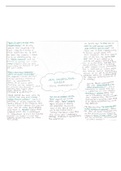
Week 1: Introduction to Pharmacology
Why do nurses study pharmacology?
- Understanding the interactions of drugs, the good and bad effects, educate and manage
for patients, there can be contradictions of the diff drugs (prevent errors and side effects)
I. Drug development:
A. Overseen by the FDA = Allow the drugs to come on the market, reliable, function,
and safe
B. Pre-clinical trial: (NOT PHASE 1) came with the new medication, the first step is
needed to be tested on animals. Does it have effect on life tissue
1. Yes? Moves into phase 1
C. Phase 1: is there any toxicity on human tissue
1. Who is it tested on? It is tested on healthy males
2. Not women because it has an affect on fertility
D. Phase 2: is there any benefit? Is it helping slow down the dementia process?
Benefit and risk ratio
1. Example: Diagnosed with dementia at a certain age, get this drug
a) Side effects: dry mouth and constipation which are less than the
benefits
E. Phase 3: any unacceptable side effects? Any unexpected responses?
1. Working with dementia patients, seizures are not acceptable
2. People lose weight = unexpected side response
F. Phase 4: can it receive FDA approval?
II. Brand name vs. generic name:
A. Furosemide: generic name
B. Lasix: brand name (original company produced drug, clinically tested)
1. Example: Tapia 5 mg, patent runs out. Other companies can make that
same drug once the patent is out they use the chemical name.
C. Hospitals prefer generic named pills.
D. Sometimes there is an active reaction to generic due to the company using a diff
inactive
III. Orphan drugs: developed for very rare diseases
A. Usually very small limited populations
B. Example: rich man chemo
IV. Reading Drug Labels:
A. Manufacturer: helps with recalls
B. Storage info
C. Expiration (can become less effective or toxic)
V. OTC meds:
A. Required to go under FDA
B. Risks:
1. mask symptoms (prevent a fever due to tylenol)
2. Overdose
3. Interactions
VI. Safety and Pregnancy:
, A. Fertility, breast feeding, fetus has a risk = Teratogenic drugs
VII. Controlled substances: Highly regulated due to abuse
A. Schedule 1: high abuse with no medical use (heroine, LSD)
B. Schedule 2: high abuse with medical use (fentanyl, percocet)
C. Schedule 3: some abuse with med use (tylenol with codeine)
D. Schedule 4: less abuse with med use (ativan, xanax)
E. Schedule 5: limited abused with med use (antitussive with codeine)
F. Usually allowed only from schedule 2- 5, lower the number higher chance of
abuse
G. DEA allows prescription of these drugs
VIII. Case study:
A. Nurse is caring for a patient taking three OTC meds for pain and insomnia. The
pcp has prescribed a generic drug for the patient for asthma. The patient
requests info from the nurse about over the counter meds and the difference
between generic and brand name drugs.
1. Not masking symptoms
2. Not interaction with other meds
3. How much dosage
4. How often are you taking it?
5. Difference of generic and brand
a) Brand is original
b) Generic: diff inactive because it is cheaper
Pharmacokinetics: what the body does to the drug
Pharmacodynamics: what the drug does to the body
I. Pharmacodynamics:
A. replace/substitute
B. increase/stimulate
1. Ex: take antidepressant, stimulate the production of neurotransmitter
C. depress/slow
1. Ibuprofen might be slowing the inflammation to help lower pain
D. Interfere
1. Kill cells/stop cells from growing
2. Chemotherapy
3. Antibiotics
E. Receptors: able to help it with those target cell receptors
1. Agonist: speeds it up
a) Ibuprofen would help reduce not completely kill cells of
inflammation
2. Antagonist: slows it down
F. Enzyme
1. Creates chem reaction in the body
a) Example: digestive enzymes that chem reaction helps digestion of
food
Why do nurses study pharmacology?
- Understanding the interactions of drugs, the good and bad effects, educate and manage
for patients, there can be contradictions of the diff drugs (prevent errors and side effects)
I. Drug development:
A. Overseen by the FDA = Allow the drugs to come on the market, reliable, function,
and safe
B. Pre-clinical trial: (NOT PHASE 1) came with the new medication, the first step is
needed to be tested on animals. Does it have effect on life tissue
1. Yes? Moves into phase 1
C. Phase 1: is there any toxicity on human tissue
1. Who is it tested on? It is tested on healthy males
2. Not women because it has an affect on fertility
D. Phase 2: is there any benefit? Is it helping slow down the dementia process?
Benefit and risk ratio
1. Example: Diagnosed with dementia at a certain age, get this drug
a) Side effects: dry mouth and constipation which are less than the
benefits
E. Phase 3: any unacceptable side effects? Any unexpected responses?
1. Working with dementia patients, seizures are not acceptable
2. People lose weight = unexpected side response
F. Phase 4: can it receive FDA approval?
II. Brand name vs. generic name:
A. Furosemide: generic name
B. Lasix: brand name (original company produced drug, clinically tested)
1. Example: Tapia 5 mg, patent runs out. Other companies can make that
same drug once the patent is out they use the chemical name.
C. Hospitals prefer generic named pills.
D. Sometimes there is an active reaction to generic due to the company using a diff
inactive
III. Orphan drugs: developed for very rare diseases
A. Usually very small limited populations
B. Example: rich man chemo
IV. Reading Drug Labels:
A. Manufacturer: helps with recalls
B. Storage info
C. Expiration (can become less effective or toxic)
V. OTC meds:
A. Required to go under FDA
B. Risks:
1. mask symptoms (prevent a fever due to tylenol)
2. Overdose
3. Interactions
VI. Safety and Pregnancy:
, A. Fertility, breast feeding, fetus has a risk = Teratogenic drugs
VII. Controlled substances: Highly regulated due to abuse
A. Schedule 1: high abuse with no medical use (heroine, LSD)
B. Schedule 2: high abuse with medical use (fentanyl, percocet)
C. Schedule 3: some abuse with med use (tylenol with codeine)
D. Schedule 4: less abuse with med use (ativan, xanax)
E. Schedule 5: limited abused with med use (antitussive with codeine)
F. Usually allowed only from schedule 2- 5, lower the number higher chance of
abuse
G. DEA allows prescription of these drugs
VIII. Case study:
A. Nurse is caring for a patient taking three OTC meds for pain and insomnia. The
pcp has prescribed a generic drug for the patient for asthma. The patient
requests info from the nurse about over the counter meds and the difference
between generic and brand name drugs.
1. Not masking symptoms
2. Not interaction with other meds
3. How much dosage
4. How often are you taking it?
5. Difference of generic and brand
a) Brand is original
b) Generic: diff inactive because it is cheaper
Pharmacokinetics: what the body does to the drug
Pharmacodynamics: what the drug does to the body
I. Pharmacodynamics:
A. replace/substitute
B. increase/stimulate
1. Ex: take antidepressant, stimulate the production of neurotransmitter
C. depress/slow
1. Ibuprofen might be slowing the inflammation to help lower pain
D. Interfere
1. Kill cells/stop cells from growing
2. Chemotherapy
3. Antibiotics
E. Receptors: able to help it with those target cell receptors
1. Agonist: speeds it up
a) Ibuprofen would help reduce not completely kill cells of
inflammation
2. Antagonist: slows it down
F. Enzyme
1. Creates chem reaction in the body
a) Example: digestive enzymes that chem reaction helps digestion of
food