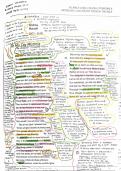
problems) that may affect
Nursing Health Assessment the patient's well-being.
Notes Early identification allows
for timely intervention and
Module 1: Foundations of Health management.
Assessment 4. To Formulate a Plan of Care
○ The information gathered
Purpose and Components of from a health assessment is
Health Assessment essential for developing a
personalized plan of care.
1. To Gather Comprehensive This plan addresses the
Information About the Patient's patient's specific health
Health Status needs and includes
○ A health assessment aims to interventions to manage or
collect detailed information prevent health problems.
about a patient's physical,
psychological, and social Components of Health
health. This holistic view Assessment
allows healthcare providers
1. Health History
to understand the patient's
overall health and identify Health history involves collecting
any areas of concern. subjective data from the patient about
2. To Establish a Baseline for their past and present health. It
Future Comparisons includes several key elements:
○ By documenting the
● Biographical Data
patient's current health
○ Basic information such as
status, healthcare providers
the patient's name, age,
can create a baseline. This
gender, occupation, marital
baseline is crucial for
status, and contact
comparing future health
information.
assessments to detect
● Reason for Seeking Care
changes, improvements, or
○ The primary health
deteriorations in the
concerns or complaints that
patient's health.
brought the patient to seek
3. To Identify Actual and Potential
medical attention. This
Health Problems
could include symptoms,
○ Through a thorough health
pain, or other health-related
assessment, healthcare
issues.
providers can identify
● History of Present Illness
existing health issues
○ A detailed description of the
(actual problems) and
patient's current symptoms,
potential risks (potential
, including the onset, other physical signs.
duration, intensity, and Inspection often begins
factors that alleviate or with a general survey and
exacerbate the symptoms. then focuses on specific
● Past Health History body areas.
○ Information about the ● Palpation
patient's previous illnesses, ○ The use of hands to feel
surgeries, hospitalizations, body parts, including the
allergies, and medications. skin, organs, and tissues.
This history provides Palpation helps assess
context for understanding texture, temperature,
the patient's current health moisture, swelling,
status. tenderness, and the
● Family Health History presence of lumps or
○ Information about the masses.
health status of immediate ● Percussion
family members, including ○ Tapping on a body part with
any hereditary or familial fingers or a percussion
diseases. This helps identify hammer to produce sounds
potential genetic risk that indicate the underlying
factors. structure. Different sounds
● Review of Systems (ROS) (e.g., dull, resonant,
○ A systematic approach to tympanic) provide clues
inquire about the presence about the presence of
or absence of health-related fluids, air, or solid masses.
issues in each body system. ● Auscultation
The ROS helps identify any ○ Listening to sounds
symptoms or conditions produced by the body, such
that the patient may not as heartbeats, lung sounds,
have initially mentioned. and bowel sounds, using a
stethoscope. Auscultation
2. Physical Examination
helps assess the function of
The physical examination involves organs and detect
collecting objective data through direct abnormal sounds indicative
observation and the use of specific of disease.
techniques. Key techniques include:
Detailed Steps in Each Component
● Inspection
Health History
○ Visual examination of the
body to assess for 1. Biographical Data Collection
abnormalities, asymmetry,
color changes, swelling, and
Nursing Health Assessment the patient's well-being.
Notes Early identification allows
for timely intervention and
Module 1: Foundations of Health management.
Assessment 4. To Formulate a Plan of Care
○ The information gathered
Purpose and Components of from a health assessment is
Health Assessment essential for developing a
personalized plan of care.
1. To Gather Comprehensive This plan addresses the
Information About the Patient's patient's specific health
Health Status needs and includes
○ A health assessment aims to interventions to manage or
collect detailed information prevent health problems.
about a patient's physical,
psychological, and social Components of Health
health. This holistic view Assessment
allows healthcare providers
1. Health History
to understand the patient's
overall health and identify Health history involves collecting
any areas of concern. subjective data from the patient about
2. To Establish a Baseline for their past and present health. It
Future Comparisons includes several key elements:
○ By documenting the
● Biographical Data
patient's current health
○ Basic information such as
status, healthcare providers
the patient's name, age,
can create a baseline. This
gender, occupation, marital
baseline is crucial for
status, and contact
comparing future health
information.
assessments to detect
● Reason for Seeking Care
changes, improvements, or
○ The primary health
deteriorations in the
concerns or complaints that
patient's health.
brought the patient to seek
3. To Identify Actual and Potential
medical attention. This
Health Problems
could include symptoms,
○ Through a thorough health
pain, or other health-related
assessment, healthcare
issues.
providers can identify
● History of Present Illness
existing health issues
○ A detailed description of the
(actual problems) and
patient's current symptoms,
potential risks (potential
, including the onset, other physical signs.
duration, intensity, and Inspection often begins
factors that alleviate or with a general survey and
exacerbate the symptoms. then focuses on specific
● Past Health History body areas.
○ Information about the ● Palpation
patient's previous illnesses, ○ The use of hands to feel
surgeries, hospitalizations, body parts, including the
allergies, and medications. skin, organs, and tissues.
This history provides Palpation helps assess
context for understanding texture, temperature,
the patient's current health moisture, swelling,
status. tenderness, and the
● Family Health History presence of lumps or
○ Information about the masses.
health status of immediate ● Percussion
family members, including ○ Tapping on a body part with
any hereditary or familial fingers or a percussion
diseases. This helps identify hammer to produce sounds
potential genetic risk that indicate the underlying
factors. structure. Different sounds
● Review of Systems (ROS) (e.g., dull, resonant,
○ A systematic approach to tympanic) provide clues
inquire about the presence about the presence of
or absence of health-related fluids, air, or solid masses.
issues in each body system. ● Auscultation
The ROS helps identify any ○ Listening to sounds
symptoms or conditions produced by the body, such
that the patient may not as heartbeats, lung sounds,
have initially mentioned. and bowel sounds, using a
stethoscope. Auscultation
2. Physical Examination
helps assess the function of
The physical examination involves organs and detect
collecting objective data through direct abnormal sounds indicative
observation and the use of specific of disease.
techniques. Key techniques include:
Detailed Steps in Each Component
● Inspection
Health History
○ Visual examination of the
body to assess for 1. Biographical Data Collection
abnormalities, asymmetry,
color changes, swelling, and