energetics
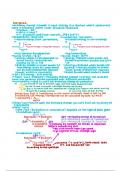
enthalpy change change
in standard States
in heat energy in a reaction where substances
ere under standard conditions
symbol H
units KJ Mol t
standard conditions 2100 kPa 298K 250C
endothermic reactions exothermic reactions
absorb energy from surrounding b release energy to surroundings
A a
Histve
I
froductslower
thalpy thanreactants
productsarehigherinenergy inenergythanreactants
I
enthalpy
time time
e g thermal decomposition
i bonds made B M
beg combustion
bonds broken BB
energy needs to be absorbed to energy released when bonds are
break bonds endothermic formed exothermicprocessand AH i
process so AH is ve ve
energyneeded to break bonds is i
energy released when bonds are
than energy given out when bonds formed energyneeded to break
are formed endothermicreaction initial bonds exothermic reaction
bonds broken in reactants i bondsformedwhenproducts made
AH B Benergy B M energy
mean bond enthalpy enthalpy change needed to break the covalent
on d into gaseous atoms averaged over different molecules
calorimetry used to work out enthalpychangeof combustion
É anawinasniewsmacea
by the flame toprevent adraughtmoving the flame
weighfuelbefore and after burning
IF
ofwaterby aspecificamount to calculate mass of fuel burned
energyfrom fuel transferred tgtdheaygteecraqjthagygbysffinegis.gl mtctgthe
is
surrounding too energytransfer
enthalpy a
moles
Hess Law law to work out enthalpychangesyou can't find out by doing a
experiment
Hess cycle
the cyle formation or combustion depends on the typeof data given
Formation cycle
reactant's Bioducts
AFFElements
insstagnegardhfultiply number of moles in
by
1
DcH enthalpychange of combustion
equation
before calculating DrH
go with arrow keepsign same
go against arrow change sign
combustioncycle y
DfH Ar H
Reactants products
DcH CO2 H2OLACH balance C's and H's then check that
balance this O's are balanced too
according to the question
enthalpy change change
in standard States
in heat energy in a reaction where substances
ere under standard conditions
symbol H
units KJ Mol t
standard conditions 2100 kPa 298K 250C
endothermic reactions exothermic reactions
absorb energy from surrounding b release energy to surroundings
A a
Histve
I
froductslower
thalpy thanreactants
productsarehigherinenergy inenergythanreactants
I
enthalpy
time time
e g thermal decomposition
i bonds made B M
beg combustion
bonds broken BB
energy needs to be absorbed to energy released when bonds are
break bonds endothermic formed exothermicprocessand AH i
process so AH is ve ve
energyneeded to break bonds is i
energy released when bonds are
than energy given out when bonds formed energyneeded to break
are formed endothermicreaction initial bonds exothermic reaction
bonds broken in reactants i bondsformedwhenproducts made
AH B Benergy B M energy
mean bond enthalpy enthalpy change needed to break the covalent
on d into gaseous atoms averaged over different molecules
calorimetry used to work out enthalpychangeof combustion
É anawinasniewsmacea
by the flame toprevent adraughtmoving the flame
weighfuelbefore and after burning
IF
ofwaterby aspecificamount to calculate mass of fuel burned
energyfrom fuel transferred tgtdheaygteecraqjthagygbysffinegis.gl mtctgthe
is
surrounding too energytransfer
enthalpy a
moles
Hess Law law to work out enthalpychangesyou can't find out by doing a
experiment
Hess cycle
the cyle formation or combustion depends on the typeof data given
Formation cycle
reactant's Bioducts
AFFElements
insstagnegardhfultiply number of moles in
by
1
DcH enthalpychange of combustion
equation
before calculating DrH
go with arrow keepsign same
go against arrow change sign
combustioncycle y
DfH Ar H
Reactants products
DcH CO2 H2OLACH balance C's and H's then check that
balance this O's are balanced too
according to the question