Portfolio Part B: Comprehensive Study Guide: Final Submission
SPCE 619: Professional Issues in Behavior Analysis
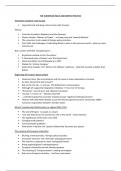
BACB 6th Edition Test Content Outline Items to Cover
Identify and describe the dimensions of Applied Behavior Analysis (A-5)
Identify and apply core principles underlying the ethics for BACB® certificants (e.g.
benefiting others; treat others with compassion, dignity, and respect; behave with integrity).
(E-1)
Identify the risks to oneself, others, and the profession because of engaging in unethical
behavior. (E-2)
Develop and maintain competence by engaging in professional development activities (e.g.,
read literature, seek consultation, establish mentors). (E-3)
Identify and comply with requirements for collecting, using, protecting, and disclosing
confidential information. (E-4)
Identify and comply with requirements for making public statements about professional
activities (e.g., social media activity; misrepresentation of professional credentials, behavior
analysis, and service outcomes). (E-5)
Identify the conditions under which services or supervision should be discontinued and
apply steps that should be taken when transitioning clients and supervisees to another
professional. (E-6)
Identify types of and risks associated with multiple relationships, and how to mitigate
those risks when they are unavoidable. (E-7)
Identify and apply interpersonal and other skills (e.g., accepting feedback, listening
actively, seeking input, collaborating) to establish and maintain professional
relationships. (E-8)
Engage in cultural humility in service delivery and professional relationships. (E-9)
Apply culturally responsive and inclusive service and supervision activities. (E-10)
Identify personal biases and how they might interfere with professional activity. (E-11)
Identify and apply the legal, regulatory, and practice requirements (e.g., licensure,
jurisprudence, funding, certification) relevant to the delivery of behavior-analytic
services. (E-12)
Identify and integrate relevant cultural variables in the assessment process (F-2)
Outline
In this section, provide a comprehensive outline for the BACB Test Content Outline items
above. You may only use content from this course. You may use your textbook, assigned
articles, lectures, or instructional materials. You may not use content from outside of this
course.
A.5
Applied: this dimension involves using a socially significant technique to improve the
learner’s life. The behaviors vary based on the learner, so goals and interventions must apply
specifically to that person.
Behavioral: in this dimension the treatment plan must be measurable and observable. It should
,involve things that are translated into data to show the learner’s progress.
Analytic: in this dimension ABA stems from scientific research with analyzable data. In this
dimension experts use evidence-based research data, and objective information to determine
goals and targeted behaviors. The dimension allows for making educated choices about
implementing specific interventions and setting goals.
Technological: in this dimension intervention plans include procedures detailed in
technological terms because they are evidence-based and replicated. The procedures will be
clearer and more concise so interventionists can understand and implement the plan.
Conceptually Systematic: in this dimension interventionists will use research-based
techniques. Methods that could be used in this dimension would be positive reinforcement,
punishment, prompting, modeling, and/or extinction.
Effective: in this dimension an effective intervention improves learner’s behavior and reduces
their challenging behavior in a practical functional manner.
Generality: in this dimension behavior has generality if that behavior can be sustained over
time, appears in different environments and settings, and extends to a range of associated
behaviors.
E.1
1. Benefiting Others
Benefiting others is a fundamental principle that emphasizes the importance of ensuring that
the services provided by behavioral analysts are in the best interest of their clients. This
involves:
Prioritizing the welfare of clients.
Making decisions based on data and evidence-based practices.
Continuously evaluating the effectiveness of interventions and making necessary
adjustments (Code of Ethics).
2. Treating Others with Compassion, Dignity, and Respect
Treating others with compassion, dignity, and respect involves recognizing the inherent
worth of all individuals and interacting with them in a manner that is empathetic and
respectful. This includes:
Listening to clients and their families.
Valuing their input and perspectives.
Ensuring that clients are treated fairly and without discrimination (Code of Ethics).
3. Behaving with Integrity
Behaving with integrity means adhering to ethical standards and being honest and transparent
in all professional activities. This principle includes:
, Maintaining honesty in data reporting and documentation.
Avoiding conflicts of interest.
Upholding confidentiality and privacy standards (Code of Ethics).
4. Ensure their Competence
Ensuring their competence is when behavior analysts ensure their own competence
Remaining within the profession’s scope of practice
Remaining current and increasing their knowledge of the best practices of ABA
Remaining knowledgeable and current about interventions (Code of Ethics).
E.2
Risks to Oneself
1. Legal Consequences: Unethical actions can lead to legal repercussions, including
fines, lawsuits, or imprisonment.
2. Reputation Damage: Personal reputation can be severely tarnished, leading to loss of
trust and respect from peers, employers, and the community.
3. Career Impact: Unethical behavior can result in job loss, difficulty finding future
employment, and potential blacklisting in the industry.
4. Mental and Emotional Strain: The stress of hiding unethical actions and the potential
guilt associated with them can lead to mental health issues.
Risks to Others
1. Harm to Individuals: Unethical behavior can directly harm others, whether through
financial loss, emotional distress, or physical harm.
2. Loss of Trust: Colleagues, clients, and stakeholders may lose trust in the individual
and the organization, leading to strained relationships and reduced collaboration.
3. Negative Influence: Unethical actions can set a poor example, potentially encouraging
others to engage in similar behavior.
Risks to the Profession
1. Erosion of Public Trust: The profession as a whole can suffer from a loss of
credibility and trust from the public and other stakeholders.
2. Regulatory Scrutiny: Increased scrutiny and regulation from governing bodies may be
imposed to prevent future unethical behavior, potentially leading to more stringent and
burdensome requirements.
3. Decreased Morale: The overall morale within the profession can decline if unethical
SPCE 619: Professional Issues in Behavior Analysis
BACB 6th Edition Test Content Outline Items to Cover
Identify and describe the dimensions of Applied Behavior Analysis (A-5)
Identify and apply core principles underlying the ethics for BACB® certificants (e.g.
benefiting others; treat others with compassion, dignity, and respect; behave with integrity).
(E-1)
Identify the risks to oneself, others, and the profession because of engaging in unethical
behavior. (E-2)
Develop and maintain competence by engaging in professional development activities (e.g.,
read literature, seek consultation, establish mentors). (E-3)
Identify and comply with requirements for collecting, using, protecting, and disclosing
confidential information. (E-4)
Identify and comply with requirements for making public statements about professional
activities (e.g., social media activity; misrepresentation of professional credentials, behavior
analysis, and service outcomes). (E-5)
Identify the conditions under which services or supervision should be discontinued and
apply steps that should be taken when transitioning clients and supervisees to another
professional. (E-6)
Identify types of and risks associated with multiple relationships, and how to mitigate
those risks when they are unavoidable. (E-7)
Identify and apply interpersonal and other skills (e.g., accepting feedback, listening
actively, seeking input, collaborating) to establish and maintain professional
relationships. (E-8)
Engage in cultural humility in service delivery and professional relationships. (E-9)
Apply culturally responsive and inclusive service and supervision activities. (E-10)
Identify personal biases and how they might interfere with professional activity. (E-11)
Identify and apply the legal, regulatory, and practice requirements (e.g., licensure,
jurisprudence, funding, certification) relevant to the delivery of behavior-analytic
services. (E-12)
Identify and integrate relevant cultural variables in the assessment process (F-2)
Outline
In this section, provide a comprehensive outline for the BACB Test Content Outline items
above. You may only use content from this course. You may use your textbook, assigned
articles, lectures, or instructional materials. You may not use content from outside of this
course.
A.5
Applied: this dimension involves using a socially significant technique to improve the
learner’s life. The behaviors vary based on the learner, so goals and interventions must apply
specifically to that person.
Behavioral: in this dimension the treatment plan must be measurable and observable. It should
,involve things that are translated into data to show the learner’s progress.
Analytic: in this dimension ABA stems from scientific research with analyzable data. In this
dimension experts use evidence-based research data, and objective information to determine
goals and targeted behaviors. The dimension allows for making educated choices about
implementing specific interventions and setting goals.
Technological: in this dimension intervention plans include procedures detailed in
technological terms because they are evidence-based and replicated. The procedures will be
clearer and more concise so interventionists can understand and implement the plan.
Conceptually Systematic: in this dimension interventionists will use research-based
techniques. Methods that could be used in this dimension would be positive reinforcement,
punishment, prompting, modeling, and/or extinction.
Effective: in this dimension an effective intervention improves learner’s behavior and reduces
their challenging behavior in a practical functional manner.
Generality: in this dimension behavior has generality if that behavior can be sustained over
time, appears in different environments and settings, and extends to a range of associated
behaviors.
E.1
1. Benefiting Others
Benefiting others is a fundamental principle that emphasizes the importance of ensuring that
the services provided by behavioral analysts are in the best interest of their clients. This
involves:
Prioritizing the welfare of clients.
Making decisions based on data and evidence-based practices.
Continuously evaluating the effectiveness of interventions and making necessary
adjustments (Code of Ethics).
2. Treating Others with Compassion, Dignity, and Respect
Treating others with compassion, dignity, and respect involves recognizing the inherent
worth of all individuals and interacting with them in a manner that is empathetic and
respectful. This includes:
Listening to clients and their families.
Valuing their input and perspectives.
Ensuring that clients are treated fairly and without discrimination (Code of Ethics).
3. Behaving with Integrity
Behaving with integrity means adhering to ethical standards and being honest and transparent
in all professional activities. This principle includes:
, Maintaining honesty in data reporting and documentation.
Avoiding conflicts of interest.
Upholding confidentiality and privacy standards (Code of Ethics).
4. Ensure their Competence
Ensuring their competence is when behavior analysts ensure their own competence
Remaining within the profession’s scope of practice
Remaining current and increasing their knowledge of the best practices of ABA
Remaining knowledgeable and current about interventions (Code of Ethics).
E.2
Risks to Oneself
1. Legal Consequences: Unethical actions can lead to legal repercussions, including
fines, lawsuits, or imprisonment.
2. Reputation Damage: Personal reputation can be severely tarnished, leading to loss of
trust and respect from peers, employers, and the community.
3. Career Impact: Unethical behavior can result in job loss, difficulty finding future
employment, and potential blacklisting in the industry.
4. Mental and Emotional Strain: The stress of hiding unethical actions and the potential
guilt associated with them can lead to mental health issues.
Risks to Others
1. Harm to Individuals: Unethical behavior can directly harm others, whether through
financial loss, emotional distress, or physical harm.
2. Loss of Trust: Colleagues, clients, and stakeholders may lose trust in the individual
and the organization, leading to strained relationships and reduced collaboration.
3. Negative Influence: Unethical actions can set a poor example, potentially encouraging
others to engage in similar behavior.
Risks to the Profession
1. Erosion of Public Trust: The profession as a whole can suffer from a loss of
credibility and trust from the public and other stakeholders.
2. Regulatory Scrutiny: Increased scrutiny and regulation from governing bodies may be
imposed to prevent future unethical behavior, potentially leading to more stringent and
burdensome requirements.
3. Decreased Morale: The overall morale within the profession can decline if unethical