IGCSE Chemistry\Redox Reactions\Important Concepts
IGCSE CHEMISTRY
REDOX REACTIONS: IMPORTANT CONCEPTS
THE CONCEPT OF OXIDATION AND REDUCTION
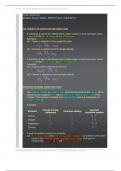
A substance is said to be oxidised when it gains oxygen or loses hydrogen; hence
oxidation is the gain of oxygen or loss of hydrogen.
Examples:
(a) Copper is oxidised to form copper(II) oxide
(b) Ammonia is oxidised to form nitrogen dioxide
A substance is said to be reduced when it loses oxygen or gains hydrogen; hence
reduction is the loss of oxygen or gain of hydrogen.
Examples:
(a) Iron(III) oxide is reduced to form iron
(b) Chlorine is reduced to form hydrogen chloride
OXIDATION NUMBER/ OXIDATION STATE
The oxidation number or oxidation state of an element refers to the valency of the
element in the substance, with either a positive or negative sign in front of the
number. If the element is present in its element form (not in a compound), its
oxidation state is 0.
Examples:
Charge in ionic Common
Element Common valency
compound oxidation number
Sodium 1+ 1 0, +1
Oxygen 2- 2 0, -2
Magnesium 2+ 2 0, +2
Chlorine 1- 1 0, -1
Trends of oxidation numbers in elements:
(a) Main group metals have only two oxidation numbers: 0 (if present as the metal
itself) or the oxidation number equivalent to its charge (if present in
compounds); exceptions: tin and lead.
______________________________________________________________________________
Nakazawa EduServ. Created by Jackson Tik, B.Sc. (NUS). ©All rights reserved. 1
, IGCSE Chemistry\Redox Reactions\Important Concepts
Examples:
Element Possible oxidation numbers
Potassium 0, +1
Aluminium 0, +3
Tin 0, +2, +4
Lead 0, +2, +4
(b) Transition metals have variable oxidation numbers: 0 (if present as the metal
itself) or the oxidation numbers equivalent to its charges (if present in
compounds); exceptions: zinc, silver.
Examples:
Element Possible oxidation numbers
Copper 0, +2, +1
Iron 0, +2, +3
Zinc 0, +2
Silver 0, +1
(c) Non-metals have variable oxidation numbers: 0 (if present as the element
itself) or the oxidation numbers equivalent to its valencies (if present in
compounds).
Examples:
Common oxidation Other oxidation numbers
Element
numbers
Hydrogen 0, +1 -1 (hydride)
Oxygen 0, -2 -1 (peroxide)
Chlorine 0, -1 +1, +3, +4, +5, +7
Sulfur 0, -2 +2, +4, +6
Nitrogen 0, -3 +1, +2, +3, +4, +5
oxidation number
Test Yourself:
1. Find the oxidation number of nitrogen in the following:
(a) ammonia, NH3
(b) nitrogen dioxide, NO2
______________________________________________________________________________
Nakazawa EduServ. Created by Jackson Tik, B.Sc. (NUS). ©All rights reserved. 2
IGCSE CHEMISTRY
REDOX REACTIONS: IMPORTANT CONCEPTS
THE CONCEPT OF OXIDATION AND REDUCTION
A substance is said to be oxidised when it gains oxygen or loses hydrogen; hence
oxidation is the gain of oxygen or loss of hydrogen.
Examples:
(a) Copper is oxidised to form copper(II) oxide
(b) Ammonia is oxidised to form nitrogen dioxide
A substance is said to be reduced when it loses oxygen or gains hydrogen; hence
reduction is the loss of oxygen or gain of hydrogen.
Examples:
(a) Iron(III) oxide is reduced to form iron
(b) Chlorine is reduced to form hydrogen chloride
OXIDATION NUMBER/ OXIDATION STATE
The oxidation number or oxidation state of an element refers to the valency of the
element in the substance, with either a positive or negative sign in front of the
number. If the element is present in its element form (not in a compound), its
oxidation state is 0.
Examples:
Charge in ionic Common
Element Common valency
compound oxidation number
Sodium 1+ 1 0, +1
Oxygen 2- 2 0, -2
Magnesium 2+ 2 0, +2
Chlorine 1- 1 0, -1
Trends of oxidation numbers in elements:
(a) Main group metals have only two oxidation numbers: 0 (if present as the metal
itself) or the oxidation number equivalent to its charge (if present in
compounds); exceptions: tin and lead.
______________________________________________________________________________
Nakazawa EduServ. Created by Jackson Tik, B.Sc. (NUS). ©All rights reserved. 1
, IGCSE Chemistry\Redox Reactions\Important Concepts
Examples:
Element Possible oxidation numbers
Potassium 0, +1
Aluminium 0, +3
Tin 0, +2, +4
Lead 0, +2, +4
(b) Transition metals have variable oxidation numbers: 0 (if present as the metal
itself) or the oxidation numbers equivalent to its charges (if present in
compounds); exceptions: zinc, silver.
Examples:
Element Possible oxidation numbers
Copper 0, +2, +1
Iron 0, +2, +3
Zinc 0, +2
Silver 0, +1
(c) Non-metals have variable oxidation numbers: 0 (if present as the element
itself) or the oxidation numbers equivalent to its valencies (if present in
compounds).
Examples:
Common oxidation Other oxidation numbers
Element
numbers
Hydrogen 0, +1 -1 (hydride)
Oxygen 0, -2 -1 (peroxide)
Chlorine 0, -1 +1, +3, +4, +5, +7
Sulfur 0, -2 +2, +4, +6
Nitrogen 0, -3 +1, +2, +3, +4, +5
oxidation number
Test Yourself:
1. Find the oxidation number of nitrogen in the following:
(a) ammonia, NH3
(b) nitrogen dioxide, NO2
______________________________________________________________________________
Nakazawa EduServ. Created by Jackson Tik, B.Sc. (NUS). ©All rights reserved. 2