f
f
f
f
f
f
f
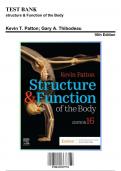
TEST BANK FOR FUNDAMENTALS OF N
f f f f f
URSING: ACTIVE LEARNING FOR COLL
f f f f
, ABORATIVE PRACTICE 2ND EDITION, f f f f
BY BARBARA L YOOST
f f f f
f
f
TABLE OF CONTENTS
f f f
1. Nursing, Theory, and Professional Practice
f f f f f
f
2. Values, Beliefs, and Caring
f f f f
f
3. Communication f
f
4. Critical Thinking in Nursing
f f f f
f
5. Introduction to the Nursing Process f f f f f
f
6. Assessment f
f
7. Nursing Diagnosis
f f
f
8. Planning f
f
9. Implementation and Evaluation f f f
f
10. Documentation, Electronic Health Records, and Reportingf f f f f f
f
11. Ethical and Legal Considerations
f f f f
f
12. Leadership and Management f f f
f
13. Evidence-Based Practice and Nursing Research f f f f f
f
14. Health Literacy and Patient Education
f f f f f
f
15. Nursing Informatics
f f
f
16. Health and Wellness
f f f
, 17. Human Development: Conception through Adolescence
f f f f f
f
18. Human Development: Young Adult through Older Adult
f f f f f f f
f
19. Vital Signs
f f
f
20. Health History and Physical Assessment
f f f f f
f
21. Ethnicity and Cultural Assessment f f f f
f
22. Spiritual Health f f
f
23. Public Health, Community-Based, and Home Health Care
f f f f f f f
f
24. Human Sexuality f f
f
25. Safety f
f
26. Asepsis and Infection Control f f f f
f
27. Hygiene and Personal Care f f f f
f
28. Activity, Immobility, and Safe Movement f f f f f
f
29. Skin Integrity and Wound Care
f f f f f
f
30. Nutrition f
f
31. Cognitive and Sensory Alterations f f f f
f
32. Stress and Coping
f f f
f
33. Sleep f
f
34. Diagnostic Testing f f
35. Medication Administration f f
f
36. Pain Management
f f
f
37. Perioperative Nursing Care f f f
f
38. Oxygenation and Tissues Perfusion f f f f
f
39. Fluid, Electrolyte, and Acid-Base Balance
f f f f f
f
40. Bowel Elimination f f
f
41. Urinary Elimination f f
f
42. Death and Loss f f f
, Chapter 01: Nursing, Theory, and Professional Practice
f f f f f f f
f
f
MULTIPLE CHOICE f f
f
1. A group of students are discussing the impact of non-
f f f f f f f f f f
nursing theories in clinical practice. The students would be correct if they chose which theory to
f f f f f f f f f f f f f f f f
prioritize patient care? f f f
a. Erikson‘s Psychosocial Theory f f f
b. Paul‘s Critical Thinking Theory f f f f
c. Maslow‘s Hierarchy of Needs f f f f
d. Rosenstock‘s Health Belief Model f f f f
ANS: C f f
Maslow‘s hierarchy of needs specifies the psychological and physiologic factors that affect each
f f f f f f f f f f f f f
person‘s physical and mental health. The nurse‘s understanding of these factors helps with for
f f f f f f f f f f f f f
mulating nursing diagnoses that address the patient‘s needs and values to prioritize care. Eriks
f f f f f f f f f f f f f
on‘s Psychosocial Theory of Development and Socialization is based on individuals‘ interacting
f f f f f f f f f f f
and learning about their world. Nurses use concepts of developmental theory to critically think
f f f f f f f f f f f f f f f
in providing care for their patients at various stages of their lives.
f f f f f f f f f f f f
Rosenstock (1974) developed the psychological Health Belief Model. The model addresses po f f f f f f f f f f f
ssible reasons for why a patient may not comply with recommended health promotion behavi
f f f f f f f f f f f f f
ors. This model is especially useful to nurses as they educate patients.
f f f f f f f f f f f f
f
DIF: Remembering f REF: p. 8 | pp. 10- ff f f f f f
11 OBJ: 1.4 f TOP: Planning fff f f f
MSC: NCLEX Client Needs Category: Safe and Effective Care Environment: Management of Car
f f f f f f f f f f f f
e NOT: Concepts: Care Coordination
f f f f f
f
2. A nursing student is preparing study notes from a recent lecture in nursing history. The student w
f f f f f f f f f f f f f f f f f
ould credit Florence Nightingale for which definition of nursing?
f f f f f f f f f
a. The imbalance between the patient and the environment decreases the capacity for
f f f f f f f f f f f f
health. f
b. The nurse needs to focus on interpersonal processes between nurse and patient.
f f f f f f f f f f f f
c. The nurse assists the patient with essential functions toward independence.
f f f f f f f f f f
d. Human beings are interacting in continuous motion as energy fields. f f f f f f f f f f
ANS: A f f
Florence Nightingale‘s (1860) concept of the environment emphasized prevention and clean ai
f f f f f f f f f f f
r, water, and housing. This theory states that the imbalance between the patient and the environ
f f f f f f f f f f f f f f f
ment decreases the capacity for health and does not allow for conservation of energy. Hildegard
f f f f f f f f f f f f f f f
Peplau (1952) focused on the roles played by the nurse and the interpersonal process between a
f f f f f f f f f f f f f f f f
nurse and a patient. Virginia Henderson described the nurse‘s role as substitutive (doing for the
f f f f f f f f f f f f f f f
person), supplementary (helping the person), or complementary (working with the person), w
f f f f f f f f f f f
ith the ultimate goal of independence for the patient. Martha Rogers (1970) developed the Scien
f f f f f f f f f f f f f f
ce of Unitary Human Beings. She stated that human beings and their environments are interact
f f f f f f f f f f f f f f
ing in continuous motion as infinite energy fields.
f f f f f f f f
f
DIF: Understanding f f REF: p. 7 fff f f OBJ: 1.1 f f
f
f
f
f
f
f
TEST BANK FOR FUNDAMENTALS OF N
f f f f f
URSING: ACTIVE LEARNING FOR COLL
f f f f
, ABORATIVE PRACTICE 2ND EDITION, f f f f
BY BARBARA L YOOST
f f f f
f
f
TABLE OF CONTENTS
f f f
1. Nursing, Theory, and Professional Practice
f f f f f
f
2. Values, Beliefs, and Caring
f f f f
f
3. Communication f
f
4. Critical Thinking in Nursing
f f f f
f
5. Introduction to the Nursing Process f f f f f
f
6. Assessment f
f
7. Nursing Diagnosis
f f
f
8. Planning f
f
9. Implementation and Evaluation f f f
f
10. Documentation, Electronic Health Records, and Reportingf f f f f f
f
11. Ethical and Legal Considerations
f f f f
f
12. Leadership and Management f f f
f
13. Evidence-Based Practice and Nursing Research f f f f f
f
14. Health Literacy and Patient Education
f f f f f
f
15. Nursing Informatics
f f
f
16. Health and Wellness
f f f
, 17. Human Development: Conception through Adolescence
f f f f f
f
18. Human Development: Young Adult through Older Adult
f f f f f f f
f
19. Vital Signs
f f
f
20. Health History and Physical Assessment
f f f f f
f
21. Ethnicity and Cultural Assessment f f f f
f
22. Spiritual Health f f
f
23. Public Health, Community-Based, and Home Health Care
f f f f f f f
f
24. Human Sexuality f f
f
25. Safety f
f
26. Asepsis and Infection Control f f f f
f
27. Hygiene and Personal Care f f f f
f
28. Activity, Immobility, and Safe Movement f f f f f
f
29. Skin Integrity and Wound Care
f f f f f
f
30. Nutrition f
f
31. Cognitive and Sensory Alterations f f f f
f
32. Stress and Coping
f f f
f
33. Sleep f
f
34. Diagnostic Testing f f
35. Medication Administration f f
f
36. Pain Management
f f
f
37. Perioperative Nursing Care f f f
f
38. Oxygenation and Tissues Perfusion f f f f
f
39. Fluid, Electrolyte, and Acid-Base Balance
f f f f f
f
40. Bowel Elimination f f
f
41. Urinary Elimination f f
f
42. Death and Loss f f f
, Chapter 01: Nursing, Theory, and Professional Practice
f f f f f f f
f
f
MULTIPLE CHOICE f f
f
1. A group of students are discussing the impact of non-
f f f f f f f f f f
nursing theories in clinical practice. The students would be correct if they chose which theory to
f f f f f f f f f f f f f f f f
prioritize patient care? f f f
a. Erikson‘s Psychosocial Theory f f f
b. Paul‘s Critical Thinking Theory f f f f
c. Maslow‘s Hierarchy of Needs f f f f
d. Rosenstock‘s Health Belief Model f f f f
ANS: C f f
Maslow‘s hierarchy of needs specifies the psychological and physiologic factors that affect each
f f f f f f f f f f f f f
person‘s physical and mental health. The nurse‘s understanding of these factors helps with for
f f f f f f f f f f f f f
mulating nursing diagnoses that address the patient‘s needs and values to prioritize care. Eriks
f f f f f f f f f f f f f
on‘s Psychosocial Theory of Development and Socialization is based on individuals‘ interacting
f f f f f f f f f f f
and learning about their world. Nurses use concepts of developmental theory to critically think
f f f f f f f f f f f f f f f
in providing care for their patients at various stages of their lives.
f f f f f f f f f f f f
Rosenstock (1974) developed the psychological Health Belief Model. The model addresses po f f f f f f f f f f f
ssible reasons for why a patient may not comply with recommended health promotion behavi
f f f f f f f f f f f f f
ors. This model is especially useful to nurses as they educate patients.
f f f f f f f f f f f f
f
DIF: Remembering f REF: p. 8 | pp. 10- ff f f f f f
11 OBJ: 1.4 f TOP: Planning fff f f f
MSC: NCLEX Client Needs Category: Safe and Effective Care Environment: Management of Car
f f f f f f f f f f f f
e NOT: Concepts: Care Coordination
f f f f f
f
2. A nursing student is preparing study notes from a recent lecture in nursing history. The student w
f f f f f f f f f f f f f f f f f
ould credit Florence Nightingale for which definition of nursing?
f f f f f f f f f
a. The imbalance between the patient and the environment decreases the capacity for
f f f f f f f f f f f f
health. f
b. The nurse needs to focus on interpersonal processes between nurse and patient.
f f f f f f f f f f f f
c. The nurse assists the patient with essential functions toward independence.
f f f f f f f f f f
d. Human beings are interacting in continuous motion as energy fields. f f f f f f f f f f
ANS: A f f
Florence Nightingale‘s (1860) concept of the environment emphasized prevention and clean ai
f f f f f f f f f f f
r, water, and housing. This theory states that the imbalance between the patient and the environ
f f f f f f f f f f f f f f f
ment decreases the capacity for health and does not allow for conservation of energy. Hildegard
f f f f f f f f f f f f f f f
Peplau (1952) focused on the roles played by the nurse and the interpersonal process between a
f f f f f f f f f f f f f f f f
nurse and a patient. Virginia Henderson described the nurse‘s role as substitutive (doing for the
f f f f f f f f f f f f f f f
person), supplementary (helping the person), or complementary (working with the person), w
f f f f f f f f f f f
ith the ultimate goal of independence for the patient. Martha Rogers (1970) developed the Scien
f f f f f f f f f f f f f f
ce of Unitary Human Beings. She stated that human beings and their environments are interact
f f f f f f f f f f f f f f
ing in continuous motion as infinite energy fields.
f f f f f f f f
f
DIF: Understanding f f REF: p. 7 fff f f OBJ: 1.1 f f