Psycho lo gy test ch 7-8
Study this set o nline at: https://www.cram.co m/flashcards/psycho lo gy-test-ch-7-8 -
139 6 6 78 7
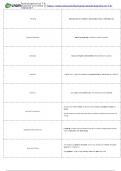
T hi nki ng ma ni pu l a t i o n of me nt a l re pre s e nt a t i o ns of i nf o rma t i o n
Concepts (Schemas) me t a l g ro u pi ng s of obj ects, events or peopl e
prototypes t ypi c a l , h i g h l y re pre s e nt a t i ve exampl e of a concept
al gori thm A ru l e that, i f appl i ed appropri atel y, g u a ra nt e e s a s o l u t i o n to a probl em.
heuri sti c qui ck d e c i s i o n s h o rt c u t s that someti mes l ead to e rro rs
esti mates of l i k e l i h o o d are based on how e a s i l y e xa mpl e s c o me t o
mi nd
avai l abi l i ty heuri sti c
(pl ane crashes are on the news more than car crashes so peopl e are more af rai d of
f l yi ng)
j u d g i ng an event/obj ect/person as bei ng i n a certai n category based on how
representati veness heuri sti c
much i t ma t c h e s o u r pro t o t ype
the tendency to i g no re re l e va nt stati sti cal i nf ormati on i n f a vo r o f c a s e -
s pe c i f i c i nf ormati on
base rate f al l acy
(the g e ne ra l thi ng i s more l i k e l y t h a n the spe c i f i c one)
, Psycho lo gy test ch 7-8
Study this set o nline at: https://www.cram.co m/flashcards/psycho lo gy-test-ch-7-8 -
139 6 6 78 7
1) P re pa ra t i o n - di agnosi ng the probl em
Probl em sol vi ng stages 2) pro d u c t i o n - generati ng sol uti ons
3) J u d g e me nt - eval uati ng sol uti ons
e l e me nt s must be re a rra ng e d or re c o mb i ne d i n a s pe c i f i c ma nne r (e.g.
arrangement probl ems
puz z l es, anagrams)
must f i g u re o u t and e xt e nd a re l a t i o ns h i p between e l e me nt s (e.g.
probl ems of f i nduci ng structure
patterns)
transf ormati on probl em get f rom an i ni t i a l s t a t e to g o a l s t a t e (e.g. maz e)
the tendency to s o l ve pro b l e ms i n a c e rt a i n w a y, based on pa s t
e xpe ri e nc e , thereby h i nd e ri ng one's a b i l i t y to c o me u p w i t h o t h e r
mental set
s o l u t i o ns .
(i f i t worked bef ore, i t'l l work agai n)
f uncti onal f i xedness tendency to t h i nk of an o b j e c t o nl y i n terms of i ts t ypi c a l u s e
we are b i a s e d i n f a vo r of o u r o w n s o l u t i o ns and we o ve re s t i ma t e thei r
overconf i dence
suc c e ss
f i ndi ng i nf ormati on that c o nf i rms o u r o w n i d e a s and re j e c t i ng
conf i rmati on bi as
c o nt ra d i c t i ng i nf ormati on
Study this set o nline at: https://www.cram.co m/flashcards/psycho lo gy-test-ch-7-8 -
139 6 6 78 7
T hi nki ng ma ni pu l a t i o n of me nt a l re pre s e nt a t i o ns of i nf o rma t i o n
Concepts (Schemas) me t a l g ro u pi ng s of obj ects, events or peopl e
prototypes t ypi c a l , h i g h l y re pre s e nt a t i ve exampl e of a concept
al gori thm A ru l e that, i f appl i ed appropri atel y, g u a ra nt e e s a s o l u t i o n to a probl em.
heuri sti c qui ck d e c i s i o n s h o rt c u t s that someti mes l ead to e rro rs
esti mates of l i k e l i h o o d are based on how e a s i l y e xa mpl e s c o me t o
mi nd
avai l abi l i ty heuri sti c
(pl ane crashes are on the news more than car crashes so peopl e are more af rai d of
f l yi ng)
j u d g i ng an event/obj ect/person as bei ng i n a certai n category based on how
representati veness heuri sti c
much i t ma t c h e s o u r pro t o t ype
the tendency to i g no re re l e va nt stati sti cal i nf ormati on i n f a vo r o f c a s e -
s pe c i f i c i nf ormati on
base rate f al l acy
(the g e ne ra l thi ng i s more l i k e l y t h a n the spe c i f i c one)
, Psycho lo gy test ch 7-8
Study this set o nline at: https://www.cram.co m/flashcards/psycho lo gy-test-ch-7-8 -
139 6 6 78 7
1) P re pa ra t i o n - di agnosi ng the probl em
Probl em sol vi ng stages 2) pro d u c t i o n - generati ng sol uti ons
3) J u d g e me nt - eval uati ng sol uti ons
e l e me nt s must be re a rra ng e d or re c o mb i ne d i n a s pe c i f i c ma nne r (e.g.
arrangement probl ems
puz z l es, anagrams)
must f i g u re o u t and e xt e nd a re l a t i o ns h i p between e l e me nt s (e.g.
probl ems of f i nduci ng structure
patterns)
transf ormati on probl em get f rom an i ni t i a l s t a t e to g o a l s t a t e (e.g. maz e)
the tendency to s o l ve pro b l e ms i n a c e rt a i n w a y, based on pa s t
e xpe ri e nc e , thereby h i nd e ri ng one's a b i l i t y to c o me u p w i t h o t h e r
mental set
s o l u t i o ns .
(i f i t worked bef ore, i t'l l work agai n)
f uncti onal f i xedness tendency to t h i nk of an o b j e c t o nl y i n terms of i ts t ypi c a l u s e
we are b i a s e d i n f a vo r of o u r o w n s o l u t i o ns and we o ve re s t i ma t e thei r
overconf i dence
suc c e ss
f i ndi ng i nf ormati on that c o nf i rms o u r o w n i d e a s and re j e c t i ng
conf i rmati on bi as
c o nt ra d i c t i ng i nf ormati on